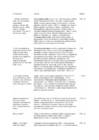
ehk tingimata stiimul (toit) algselt neutraalse stiimuliga (helihargi kõla). (Pavlov) Mis on neutraalne Auto signaal on tingimatu stiimul, punane tuli ÕO8 (neutral), tingitud tingitud. Punane tuli paistab - tuleb signaal, võpatus. (conditioned) ja Lisad kollase tule juurde, millega signaali kaasas ei tingimatu stiimul käi - alguses reageeritakse samuti võpatusega, kuid (unconditioned stimulus) harjutades õpitakse ära, et võpatus on õige vaid ning tingitud ja tingimatu punase tule puhul. Kollane tuli annab märku, et reaktsioon (response)? signaali ei tule ning ehmuda pole vaja. St siis et NB! Gleitman jt tingitud stiimul on stiimul mis tuleb ikka aga tingimatu "Psühholoogia" stiimusl on stiimul mis tuleb harva. Neutraalne stiimul eestikeelses versioonis
Biheivoristid - käitumine keskkond objektiivsed refleksid. Sechenov - vene füs. isa. KNS väline stimulatsioon. - > käitumine. Psühholoogiliste nähtuste uurimiseks tuleb kasutada füsioloogias rakendatavaid meetodeid. (inhibition) introspektsioon ei vii kuhugi. Füsioloogia meetodid on objektiivsed. Mõtted ei põhjusta käitumist, vaid väline stimulatsioon. Pavlov - reflektsid -> käitumine. assotsiatsiooni printsiibid. Tingimatu refleks (unconditioned reflex) kaasasündinud, mille kutsub esile tingimatu stiimul (nt toit > süljevedelik); Tingitud refleks (conditioned reflex/kogemus = learned reflex), mille kutsub esile esialgselt neutraalne stiimul tingitud stiimul. Koer + kell = söök Koer + kell = sülje eritus. Bechterev - looked upon all human behavior as reflective. Studied skeletal reflexes rather than the glandular reflexes that Pavlov studied. I eksperimentaalne psy labor Vene keisris.
seda nii nimetatakse? Nimeta 2 erinevat tingimise liiki. / What is associative learning aka conditioning and why is it called that?/ Name two different types of conditioning. Mis on klassikaline ÕO8 tingimine? What is classical conditioning? Mis on neutraalne, ÕO8 tingitud ja tingimatu stiimul ning tingitud ja tingimatu reaktsioon/refleks ? / Wh at are neutral, conditioned, and unconditioned stimulus and conditioned and unconditioned response? Mis on operantne ÕO8 tingimine? / What is operant conditioning? Mis on tingitud ÕO8 assotsiatsiooni kustumine ja taastumine ?/ What is the extinction and spontaneous recovery of a conditioned response? Milliseid igapäevaelu ÕO8, L8 fenomene saab seletada klassikalise ja operantse tingimise abil? / which everyday phenomena can be explained by classical and operant conditioning?
You are closed. Whatever action you take in a state of inner resistance (which we could also call negativity) will create more outer resistance, and the universe will not be on your side; life will not be helpful. If the shutters are closed, the sunlight cannot come in. When you yield internally, when you surrender, a new dimension of consciousness opens up. If action is possible or necessary, your action will be in alignment with the whole and supported by creative intelligence, the unconditioned consciousness which in a state of inner openness you become one with. Circumstances and people then become helpful, cooperative. Coincidences happen. If no action is possible, you rest in the peace and inner stillness that come with surrender. You rest in God. CHAPTER THREE THE CORE OF EGO Most people are so completely identified with the voice in the head – the incessant stream of involuntary and compulsive thinking and the emotions
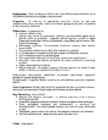
õppimise liik, mille korral indiviid õpib reageerima neutraalseile stiimuleile, mis tavaliselt selliseid reaktsioone esile ei kutsu. Klassikalise tingituse avastaja oli Ivan Pavlov (1849 1936). Oma katsed tingrefleksi tundmaõppimiseks tegi Pavlov koertel, kel oli mulgustatud magu ja/ või süljenääre. Mõlemast koguti sekreeti vastuseks kasutatud ärritajaile. Rohkem või vähem näljasele koerale on hakkliha tingimatuks (unconditioned) (ehk bioloogiliselt kaasasündinud ja eluliselt oluliseks) stiimuliks, mis vallandab automaatselt nii süljeerituse kui © AAVO LUUK 2003 - 2004 Psühholoogia alused 40 maomahla nõristuse. Kui vahetus ajalises läheduses hakkliha andmisega helistada heliharki, on see esialgu koera jaoks toidu saamise seisukohalt neutraalne stiimul
WHAT TO DO IF YOUR GAINS SLOW WITH ONE SESSION PER WEEK? Rather than doing one full-body workout every 1014 days, for example, test a split routine to facilitate strength gains while increasing your GLUT-4 windows to at least two per week. This is how you get very big, very fast without getting very fat. I've successfully used the following three-workout split, most notably in 1997: Session 1: Pushing exercises Session 2: Pulling exercises Session 3: Leg exercises If you are unconditioned or deconditioned (atrophied), take one day between workouts (e.g., pushing, one day o , pulling, one day o , legs, one day o , ad nauseam) for the rst two weeks, two days between workouts for the next three weeks, then move to three days between workouts. workouts. The exercises I used, all performed at 5/5, were: Push: · Incline bench press · Dips (add weight when possible) · Shoulder-width grip shoulder press (never behind the neck) Pull · Pullover · Bent row
 annaabi.ee