In terms of the chemical structure there are amino acid hormones (e.g. thyroid products), peptide hormones (e.g. vasopressin) and steroid hormones (e.g. cortisol*). HYPERPOLARIZATION – A change in the membrane potential to a value more negative than the value of a resting potential. HYPOTHALAMUS – A complex brain structure which consists of many nuclei and performs various functions. It regulates the activity of internal organs, monitors autonomic system and controls the pituitary gland. IMMUNE SYSTEM – Various tissues, cells and their products responsible for protecting the organism against harmful bacteria, viruses and parasites. INHIBITION – In general: reducing, blocking enzyme/receptor activity. In reference to the neurone, it is a synaptic event which stops the receiving neurone from firing. IONS – Electrically charged atoms or molecules. LIMBIC SYSTEM – A group of brain structures, which includes the amygdala*,
management of the damaging stress response. 1.3 Stress and physiological factors. Organisms respond to stress with secretion of neuroendocrine mediators. These hormones interact with physical, cognitive and emotional processes. (Steptoe et al., 2007; Herbert et al., 2006; De Kloet et al., 2005; Kiecolt-Glaser et al., 2003; Rohleder et al., 2002,). Psychological and other forms of stress influence the sympathetic nervous system, hypothalamuspituitary adrenal (HPA) - axis, and immune system; the interaction between these systems is complex (Raison et al., 2003, Pariante & Miller, 2001; Adler, Felten & Cohen, 2001). Activation of the HPA axis by physical or psychological stress begins with corticotrophin-releasing hormone (CRH) secretion from the Hypothalamus, CRH then signals the Anterior Pituitary gland to secrete Adrenocorticotropic hormone (ACTH), ACTH then acts on the Adrenal gland which
väärareng, kuna RA on teratogeen. Malformations are largely analogous to those associated with synthetic retinoid teratogenicity in humans, such as anencephaly, spinabifida, cleft lip, cleft palate, micronathia, microphthalmia, several types of malformation to the ear, teeth, salivary glands and aortic arch, ventricular septal defects, imperforate anus, omphalocele, renal agenesis, polycystic kidney, hydronephrosis, phocomelia, digit malformation, certain defects of the genitalia, pituitary, thyroid, thymus, skull, vertebrae, ribs, and muscles and situs inversus. · Mis on neuroblastoom? Neuroblastoomide kliiniline taust ja prognoos. Missugusi rakutüüpe neuroblastoomide diferentseerumisel esineb? Kas on hetkel kasutusel ravimeid, millega neuroblastoomide diferentseerumist esile kutsutakse? Kui efektiivsed need on? Neuroblastoom-med närvirakk-kasvaja. Malignant tumor containing embryonic nerve cells; usually metastasizes quickly. http://www
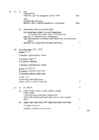
10. (a) from below / ventral / AW; A idea of brain being seen from below R upside down, looking upwards 1 (b) (i) reject choice of answers, accept any reasonable spelling A cerebrum / cerebral hemisphere / cerebral cortex / frontal lobe; ignore refs to right or left R incorrect lobe B pituitary (gland); R hypothalamus C cerebellum; D medulla (oblongata) 4 (ii) control of breathing; control of heart rate; control of circulation; control of swallowing / salivation / vomiting reflex; 2 (c) If blood hormone concentration rises inhibits output of trophic hormones by pituitary gland;
neurotransmitter serotonin in the brain. People with depression are often treated with SSRI-s, that block serotonin reuptake when it is in the synapse, causing it to act for a longer time than normal and increasing the available serotonin that is needed for mood regulation. Using one or more examples, explain functions of two hormones in human behavior. Oxytocin is a hormone that is produced by the hypothalamus after being stimulated by the pituitary gland. It is released with touches and hugs. Oxytocin is associated with bonding between a mother and a child and as well as between lovers. If oxytocin is given to healthy individuals, it seems that their brain circuits involved in fear are affected and there is an increase in trust and generosity. The production of melatonin by the pineal gland is stimulated by darkness and inhibited by light. Melatonin levels peak in the middle of the night and decrease towards the morning
Pull-down Machine Shoulder Press The Locked Position Slight Incline/Decline Bench Press Leg Press Leg Press Barbell Overhead Press Squat Sample Workouts Calendars The "Yates" Bent Row The Reverse Drag Curl Sacroplasmic Hypertrophy and Myofibrillar Hyertrophy IMPROVING SEX Conventional Missionary and Improved-Angle Missionary Improved-Pressure Missionary Conventional Cowgirl and Improved-Pressure Cowgirl The Clitoris The 15-Minute Female Orgasm The Hypothalamus-Pituitary-Testosterone Axis (HPTA) The Menstrual Cycle PERFECTING SLEEP FitBit Sleep Analysis WakeMate Sleep Analysis Zeo--Good Sleep Example Zeo--Bad Sleep Example Monophasic Sleep and Polyphasic Sleep REVERSING INJURIES Barefoot Walker's Feet and Modern Man's Feet Static Back Static Extension Position on Elbows Shoulder Bridge with Pillow Active Bridges with Pillow Supine Groin Progressive in Tower Alternative: Supine Groin on Chair Air Bench ART, Before and After
Journal of Animal The non-enzymatic mechanism of meat tenderization. Science 77:2444–2451. Meat Science 43:67–80. Wilk, S., and M. Orlowski. 1980. Cation-sensitive Tanaka, K. 1998. Molecular biology of the proteasome. neutral endopeptidase: Isolation and specificity of the Biochem. Biophys. Res. Commun. 247:537–541. bovine pituitary enzyme. Journal of Neurochemistry Tatsumi, R., and K. Takahashi. 1992. Calcium-induced 35:1172–1182. fragmentation of skeletal muscle nebulin filaments. Wu, F. Y., and S. B. Smith. 1985. The role of ionic Journal of Biochemistry 112:775–779. strength in the postmortem tenderization of meat. Tatsumi, R., K. Maeda, and K. Takahashi. 1999. Proceedings of the 38th Annual Reciprocal Meat
 annaabi.ee