 50 punkti
Autor soovib selle materjali allalaadimise eest saada 50 punkti.
50 punkti
Autor soovib selle materjali allalaadimise eest saada 50 punkti.
 ~ 10 lehte
Lehekülgede arv dokumendis
~ 10 lehte
Lehekülgede arv dokumendis
 2013-09-20
Kuupäev, millal dokument üles laeti
2013-09-20
Kuupäev, millal dokument üles laeti
 16 laadimist
Kokku alla laetud
16 laadimist
Kokku alla laetud
 0 arvamust
Teiste kasutajate poolt lisatud kommentaarid
0 arvamust
Teiste kasutajate poolt lisatud kommentaarid
 engineergonewild
Õppematerjali autor
engineergonewild
Õppematerjali autor
............................................................................... 55 15.5 Coal and the environment.........................................................................................55 NATURAL GAS.................................................................................................................55 ..............................................................................................................................................56 16.1 How Do We Get Natural Gas?................................................................................. 56 16.2 How Is Natural Gas Stored and Delivered?..............................................................57 16.3 How is Natural Gas Measured?................................................................................57 16.4 How Is Natural Gas Used?....................................................................................... 57 ........................................................
to other applications. By trapping the gases, people can prevent methane from reaching the atmosphere, thereby reducing degradation caused by methane gas. The ability to turn waste products into something which can be utilized is also rather convenient, especially in developing countries, where available resources may be limited. Furthermore, by turning biomass into biogas, people can address issues like sewage treatment, ensuring that raw sewage is not released into the natural environment. Producing process Biogas is normally produced by using the excreta of animals as the source material. In most of the countries where biogas is produced, the excreta of the cattle and other farm animals are used. In India gobar or cow dung is used for the purpose of making biogas. 20% of the excreta of animals are made up of dust particles that are inorganic in nature. The percentage of the inorganic dust particles is brought down by
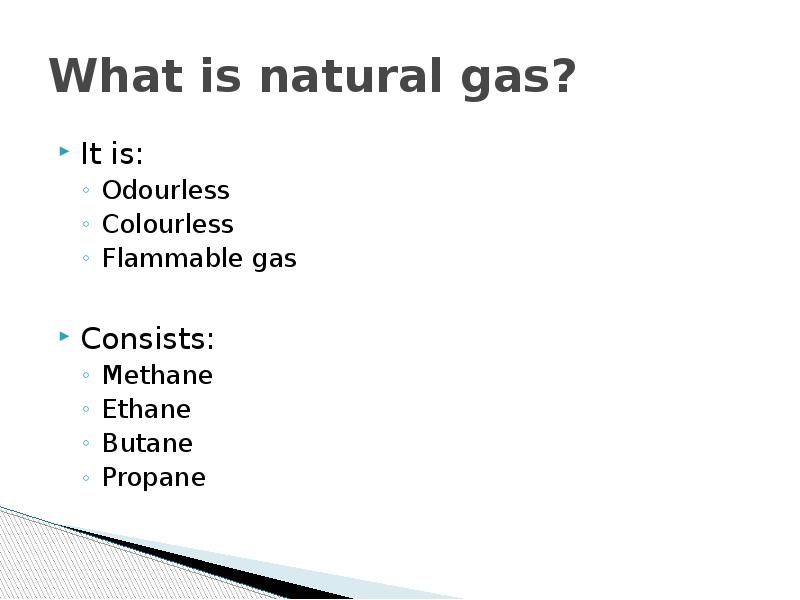
all liquid, gaseous, and solid hydrocarbons. Under surface pressure and temperature conditions, lighter hydrocarbons methane, ethane, propane and butane occur as gases, while pentane and heavier ones are in the form of liquids or solids. However, in an underground oil reservoir the proportions of gas, liquid, and solid depend on subsurface conditions and on the phase diagram of the petroleum mixture. An oil well produces predominantly crude oil, with some natural gas dissolved in it. Because the pressure is lower at the surface than underground, some of the gas will come out of solution and be recovered (or burned) as associated gas or solution gas. A gas well produces predominantly natural gas. However, because the underground temperature and pressure are higher than at the surface, the gas may contain heavier hydrocarbons such as pentane, hexane, and heptane in the gaseous state. At surface
.......................................................14 2.5. Biomass Energy....................................................................................................16 3. Conclusion............................................................................................................ ....18 4. Sources............................................................................................................... .......19 Renewable energy Renewable energy is energy generated from natural resources--such as , wind, rain, tides and geothermal heat--which are renewable (naturally replenished). In 2006, about 18% of global final energy consumption came from renewables, with 13% coming from traditional biomass, such as wood-burning. Hydroelectricity was the next largest renewable source, providing 3% (15% of global electricity generation),followed by solar hot water/heating, which contributed 1.3%. Modern
it. · Subsidies (government · Forbes said "no" money) to the wind sector is more than 200 times as great as those given to oil and gas sector. Oh and the wind has to blow. Hydropower Power to the Water · By using earth's · 90% energy water cycles and efficient compared running water used to natural gas threw mostly dams being 50% to provide energy. efficient. · Hydropower is · The only problem about 1/3 the cost is, you need water. of using fossil fuels and about 1/6 the cost of natural gas. Biofuels · Using natural I Love you Plants materials to turn into fuel or forms of combustible energy. · Which is mostly plants and plant products Cost Efficient?
Prairies, mountain ranges and high plateaus of the Canadian Cordillera, and northern Canada. Climate Canada's climate varies wildly based on geography, from perma-frost in the north to four distinct seasons towards the equator. In this region the temperature can climb up to 35 degrees Celsius in the summer and descend to a chilly -25 degrees Celsius during winter. Canada's climate and environment are one of the main reasons that Canada is such a succesful country. The blend of natural resources and climate sustains us. The seasons dictate the look of the land: according to whether the natural environment is in a state of dormancy or growth. Canada's climate is characterized by its diversity, as temperature and precipitation differ depending on where you are and what time of year it is. Other than the North where it's above freezing for only a few months a year, most Canadian cities are within 300 km of the southern
Unfortunately this doesn't mean we can have an endless supply of fuel Breeder reactors need a feedstock of uranium and thorium, so when we run out of these two fuels (in about 1000 years), breeder reactors will cease to be useful. This is still a more lengthy solution to the current burning of coal, gas, and oil. · Reliability Nuclear power plants need little fuel, so they are less vulnerable to shortages because of strikes or natural disasters. International relations will have little effect on the supply of fuel to the reactors because uranium is evenly deposited around the globe. One disadvantage of uranium mining is that it leaves the residues from chemical processing of the ore, which leads to radon exposure to the public. These effects do not outweigh the benefits by the fact that mining uranium out of the ground reduces future radon exposures.
Referaat Railgun Table of contents Introduction......................................................................................................................................3 1.What a railgun basically is............................................................................................................4 1.1History of railguns...................................................................................................................4 1.2Theory behind it......................................................................................................................5 1.3How a railgun works...............................................................................................................6 1.4How a railgun would work on a military ship in the future....................................................8 3. Research advances so far.............................................................................................................9
 annaabi.ee

















Kõik kommentaarid