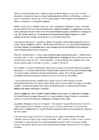
CHARLES CUSICK-SMITH Ta on lõpetanud Glasgow Kunstikooli ja Felix Slade'i nimelise kunstikooli Londonis. 1981. aastal töötas Inglise Rahvusballetis kujundaja-praktikandina. 1982-86 oli Manchesteri Raamatukogu Teatri kunstnik. 1986. aastast töötab vabakutselise kujundaja ja kunstnikuna. On teinud kujundusi draama-, balleti-, ooperi- ja muusikalietendustele enamikes briti teatri-tes ja ka väljaspool Suurbritanniat. Tema tööde hulka kuuluvad lava- ja kostüümikujundu-sed muusikalidele ,,Follies" (,,Narrused"), ,,West Side Story", ,,Hot Stu." (,,Kuum värk"), ,,Heavenly Bodies" (,,Taevalikud kehad"), ,,A Slice of Saturday Night" (,,Tükike laupäeva ööd"), ,,Chicago", ,,In The Midnight Hour" (,,Kesköötunnil"), ,,The Guardsman" (,,Kaardiväelane"), ,,Cli." jpt.On teinud lava- ja kostüümikujundusi ka erinevatele ooperitele ja ballettidele: ,,Giselle" (Inglise Rahvusballett); ,,Romeo ja Julia", ,,Pähklipureja", ,,Talupoja au
The death of their child and then of Clélia herself causes Fabrice to retire to the Carthusian monastery, or charterhouse, of Parma, where he dies. The incongruous yet always harmonious combination of lyricism and high comedy, of realism and dreamlike atmosphere, of The Charterhouse of Parma allows the author to caricaturize the petty tyranny of post-Napoleonic Europe, to question public morality, and to assert the prerogatives of love's follies. There are subtly drawn portraits of the naive and idealistic young Fabrice del Dongo (notably at the Battle of Waterloo); of his courageous and passionate aunt, the Duchess de Sanseverina; of her lover, the benevolent Machiavellian statesman Count Mosca; and of the young and innocent Clélia Conti, the daughter of Fabrice's jailer, who falls in love with the handsome prisoner. Passion in all its forms is the novel's recurrent theme. And once again, the young hero learns the
Nõuded ajatussortidele: Õitsema kindlaksmääratud ajal ja olema küllaldase pikkusega Õied peavad olema suured, tugevad ning ulatuma üle lehtede Taimed ei tohi olla nõrgad Mansett peab lehti ja õievart kindlalt koos hoidma Lõikeõite toodang piisavalt suur ühe kg sibulate kohta Õied peavad hästi säilima Õite toodang 1000kg sibulate kohta: ‘Carlton’ – 18000 ‘Dutch Master’ – 15000 ‘Ice Follies’ – 20000 ‘Unsurpassable’ – 14000 ‘Yellow Sun’ – 19000 ‘Fortissimo’ – 13000 ‘Golden Harvest’ – 16000 ‘Barret Browning’ – 17000 ‘Dick Wilden’ – 18000 ‘Flower Record’ – 25000 ‘Fortune’ – 16000 ‘Proffesor Einstein’ – 19000 Ajatamise tehnoloogia: Sibulate külmatöötlus kestab 15-18 nädalat, kuivprepareerimine 2-8 nädalat. Ajatamine
illustratsioonid ilmusid ka sellistes väljaannetes nagu illustreeritud London Newsis, Cosmopolitanis, Ladies 'Home Journalis ja Vogueis. Romain on tuntud tema elegantse disainilahenduste loetelu poolest, mille püüdmiseks ta töötas Art Decos. Tema disain on habras, glamuurne ja disainilahendused on koheselt äratuntavad. Tema ideid ja kunsti mõjutas 21. sajandi veel mood. Tema kostüümid ja programmide projekteerimine olid esile toodud Ziegfeld Follies 1923. aastal paljude toodete kohta skandaale. Tema töid võib leida mitmetes kogudest, tuntud muuseumidest, sealhulgas ka Victoria ja Alberti muuseumist ning Metropolitani kunsti muuseumist ja suuri kogumise töid võib leida Tokyo muuseumist. Willi Donnell Smith Willi Donnell Smith (29.veebruar 1948-17. aprill 1987) oli üks kõige edukamaid noorte moeloojaid moe ajaloos. Smith oli avalikult gay. Tema surma ajaks ettevõtte Williwear Ltd
NARTSISSIDE KLASSIFIKATSIOON Trompetnartsissid, varrel üks õis, trompet (lisakroon) sama pikk või pikem kui õiekattelehed. Sordid: Globlet, Las Vegas, Mount Hood, Golden Harvest, Spellbinder, Dutch Master jpt. Suure lisakrooniga nartsissid. Varrel kasvab üks õis. Lisakroon ehk trompet on pikem kui 1 /3 õiekattelehtede pikkusest. Taimede kõrgus küündib 30-st 60-ne cm-ni. Sordid: Accent, Professor Einstein, Johann Strauss, Carlton, Flower Record, Ice Follies, Salome jt. Väikese lisakrooniga nartsissid. Varrel üks õis, lisakroon ei ole pikem kui 1/3 õiekattelehtede pikkusest. Taimede kõrgus 30 - 45 cm Sordid: Aflame, Amor, Birma, Edna Earl, Barret Browning jt. Täidisõielised nartsissid. Üks või enam õit varrel. Õiekattelehed või lisakroon või mõlemad on täidisõielised. Taimede kõrgus 15 - 45 cm. Sordid: White Lion, Rip Van Winkle, Acropolis, Cheerfulness, Dick Wilden, Golden Ducat, Tahiti, Texas jt. Triandrusnartsissid. N
When everyone arrives, she lays her claims out against Iago, claiming him a liar and giving him a chance to defend himself. He retains his claim that Cassio and Desdemona were having an affair. However, Emilia describes how she found the handkerchief and gave it to Iago. He quickly stabs his wife and runs off, leaving Emilia to die, but not before she explains to Othello how Desdemona loved him. Iago is quickly caught and returned to the scene, where Othello declares his follies after Iago refuses to explain himself. In one final show of devotion and despair, Othello takes his own life and falls upon the bed. Lodovico takes charge of the situation, giving Othello’s property to his next of kin and granting command of the forces to Cassio, who will have the sentencing power over Iago. Lodovico himself will return to Venice to explain exactly what happened.
In practice, largely ignored. Satire was based on the events and personalities of the moment. Parody was central to its working. Contrasting ideas, values, principles, attitudes, style, identities. Vehicles: mock-panegyric (kiidukõne), mock-heroic, the burlesque and travesty as well as simple imitation. Generally free use of conversational language, humour, vividness, concreteness of description, topical subjects, general intention of improving society by exposing its vices and follies. Jonathan Swift: combined parody, with its imitation of form and style and satire in prose; technique to create fictional speaker (Gulliver), utter sentiments which intelligent reader recognises as self-satisfied, egoistical, stupid. Master of understaded irony. Gulliver’s Travels (greatest of satires). Fashionable guise of travel book, ship surgeon, fantastic locasions, liliput island (pompous habits of liliputs satirised). The
romantilist arusaama küttide elust ja kui põnev see temale oli. John kõikidel ekspeditsioonidel ei osalenud, ta saadeti Aafrikast välja ja ta ei saanud sinna 20a minna, aga selleks ajaks oli ta filminud sittakanti materjali. Ameerikasse naastes hakkas ta seal tegema filme, ta filmis tollajal väga uudse asja nagu reaalelu jälgiva dokseeria politsei tegevusest (Pittsburgh Police Film Series 69-70). Titicut Follies jäglib elu kriminaalse taustaga hullude hooldekodus, mingid vaimuhaiged, selle filmi tegid John Marshall ja Wiseman, film on üks tähtteoseid dokfilmide seas. Robert Gardneri ja Johni teed läksid muidu lahku. Gardner Harvardi filmikeskuse juhina plaanis teha seeria erinevatest kultuuritüüpidest (tehnoloogilisel tasemel nt), kütid olid aluseks ja järgmisena otsustas teha filmi aiaviljelejatest (alepõllundus). Toimus ekspeditsioon danide rahva juurde Papua Guineasse
Ameerikasse naastes hakkas tegema filme Ameerikas ja on seal tuntud tegija. Filmis üles Pittsburgh Police Film Series (1969-70) reaalelu jälgiv dokumentaalfilmide seeria politsei tegevusest. Eesmärk oli jäädvustada reaalsed situatsioonid, kuidas politsei tegutseb. Eesmärk oli filmide abil saavutada tõhusam meetod probleemidega tegelemiseks. Rakendusliku taustaga filmid. Sellesse koolkonda kuulus ka rez. Frederick Wiseman, kes tegi filmi Titicut Follies. Tegi selle filmi J.Marshalliga tegelikult kahasse. Film hullumaja elust. Marshall oli õppinud hiljem ka antropoloogiat kuid eelkõige pidas ennast filmitegijaks. Pärast eelnevat filmi läksid John Marshalli ja Robert Gardneri (1925) teed lahku, kes mõjutas varem tugevalt Johni kütifilmi tegemist. Gardneri filmid on hästi tugevad ja ei püüa anda edasi hõimu omapära, 16 vaid pigem, üldinimlikke tõdesid
And Heaven's goodness must have brought me there On purpose to confound this scoundrel's pride And grant me means to take a signal vengeance On his hypocrisy and arrogance, And undeceive my father, showing up The rascal caught at making love to you. ELMIRE No, no; it is enough if he reforms, Endeavouring to deserve the favour shown him. And since I've promised, do not you belie me. 'Tis not my way to make a public scandal; An honest wife will scorn to heed such follies, And never fret her husband's ears with them. DAMIS You've reasons of your own for acting thus; And I have mine for doing otherwise. To spare him now would be a mockery; His bigot's pride has triumphed all too long Over my righteous anger, and has caused Far too much trouble in our family. The rascal all too long has ruled my father, And crossed my sister's love, and mine as well. The traitor now must be unmasked before him: And Providence has given me means to do it.
You have liked many a stupider person." "Dear Lizzy!" "Oh! you are a great deal too apt, you know, to like people in general. You never see a fault in anybody. All the world are good and agreeable in your eyes. I never heard you speak ill of a human being in your life." "I would not wish to be hasty in censuring anyone; but I always speak what I think." "I know you do; and it is that which makes the wonder. With your good sense, to be so honestly blind to the follies and nonsense of others! Affectation of candour is common enough--one meets with it everywhere. But to be candid without ostentation or design--to take the good of everybody's character and make it still better, and say nothing of the bad-- belongs to you alone. And so you like this man's sisters, too, do you? Their manners are not equal to his." "Certainly not--at first. But they are very pleasing women when you converse with them.
), Syntax and Semantics, Vol. 9: Pragmatics. New York: Academic Press. Stanley, J. (2000) "Context and Logical Form." Linguistics and Philosophy 23: 391434. Stanley, J., and Szabó, Z. (2000) "On Quantifier Domain Restriction." Mind and Language 15: 21961. Stern, J. (2000) Metaphor in Context. Cambridge, MA: MIT Press/Bradford Books. Stich, S. (1976) "Davidson's Semantic Program." Canadian Journal of Philosophy 4: 20127. Stove, D. (1991) The Plato Cult and Other Philosophical Follies. Oxford: Basil Blackwell. Strawson, P. F. (1950) "On Referring." Mind 59: 32044. ---- (1964) "Intention and Convention in Speech Acts." Philosophical Review 73: 43960. ---- (1970) Meaning and Truth. Oxford: Clarendon Press. Szabó, Z. (2000) "Descriptions and Uniqueness." Philosophical Studies 101: 2957. 216 Bibliography ---- (2003) "Definite Descriptions without Uniqueness: A Reply to Abbott." Philosophical Studies 114: 27991. ---- (ed.) (2005) Semantics versus Pragmatics
age to the N e w World. One of the first expressions was Sebastian Brant's narrative poem, "Das Narrenschiff," printed only two years after Columbus first successfully crossed the Atlantic. It tells of a ship's passengers bound for Narragonia, the land of 247 T H E W R I T E R ' S JOURNEY ~ T H I R D EDITION Christopher Vogler fools, and is a scathing depiction of the follies of its time. It was widely translated and adapted into books and plays. T h e Ship of Fools is an allegory, a story in which all the conditions of life and levels of society are lampooned savagely in the situation of a boatful of pathetic passengers. It is a sardonic tale, harshly depicting the flaws in the people and social systems of its time. Titanic goes in for broad-brush social criticism as well, portraying the rich and
 annaabi.ee