https://doc-10-6o-apps-viewer.googleusercontent.com/viewer/secure/pdf/4qkuvm71btp8138c0la0hfba14kjr0vj/h8qtqdkk1ceuhbaucovgsqgth1hqal6j/1580687775000/drive/06827179081646419657/ACFrOgArRlUkWAw08vIyfWVC1uGo-vSo0iLv4S5kT_Z90k2XxQkzy3Ns_YvHszg4Qs6BY2j1j8U3qf0Qx6GBTHsCEc-JSlv6ml3ZBlW9sqEGOz-EGW2L1Kebz5RJP7fAd1jxwURCGX0UPfprXHSk?print=true
BSB50618 DIPLOMA OF HUMAN
RESOURCES MANAGEMENT
BSB51918 DIPLOMA OF LEADERSHIP
AND MANAGEMENT
Employee Relations 1
BSBWRK510 Manage employee relationsii
WORKBOOK | © 2019 YOUNG RABBIT PTY LTD, AUSTRALIAN PACIFIC COLLEGE
BSB50618 DIPLOMA OF HUMAN RESOURCES MANAGEMENT & BSB51918 DIPLOMA OF LEADERSHIP AND MANAGEMENT | EMPLOYEE RELATIONS 1_V1.5
This workbook has been designed for use in conjunction with
information and materials provided at lecture and tutorial
sessions.
Students should attend all timetabled sessions so they can
obtain all subject information. Students should read and
understand all materials provided.
Information that is available in digital form is not included in
this workbook in the interest of the environment.
Publisher:
Young Rabbit Pty Ltd
(A.C.N. 003 381 182) trading as
Australian Pacific College
Ground Floor, 189 Kent Street
Sydney NSW 2000
Australia
Tel: (02) 9251 7000
Edition:
1st Edition
Release date:
October 2019
Australian Pacific College
License agreement with international
copyright available upon request.
Lower Ground, 189 Kent Street
Kent St Campus (CBD)
Sydney NSW 2000
P (61 2) 9251 7000
F (61 2) 9251 7575
Web: www.apc.edu.au
CRICOS Provider: Young Rabbit Pty Ltd – 01331F
ABN: 28 003 381 182
RTO PROVIDER: 90396
Front cover image sourced from: www.rightsonsite.org.au
iii
WORKBOOK | © 2019 YOUNG RABBIT PTY LTD, AUSTRALIAN PACIFIC COLLEGE
BSB50618 DIPLOMA OF HUMAN RESOURCES MANAGEMENT & BSB51918 DIPLOMA OF LEADERSHIP AND MANAGEMENT | EMPLOYEE RELATIONS 1_V1.5
WORKBOOK | © 2019 YOUNG RABBIT PTY LTD, AUSTRALIAN PACIFIC COLLEGE
BSB50618 DIPLOMA OF HUMAN RESOURCES MANAGEMENT & BSB51918 DIPLOMA OF LEADERSHIP AND MANAGEMENT | EMPLOYEE RELATIONS 1_V1.5
Contents
Unit of Competency ........................................................................................... v
BSBWRK520 Manage Employee Relations ......................................................... v
Grading System ................................................................................................ v
Assessment 1 .................................................................................................. vi
Assessment 2 ................................................................................................. vii
Legend ........................................................................................................... viii
1. Develop Employee and Industrial Relations Policies and Plans ...................2
1.1 Analyse strategic plans and operational plans to determine long term
employee relations ..............................................................................................2
Activity 1.1 .............................................................................................................6
1.2 Analyse existing employee relations performance in relation to workforce
objectives ..............................................................................................................7
Activity 1.2 .............................................................................................................8
1.3 Evaluate options in terms of cost-benefit, risk-analysis and current
legislative requirements ......................................................................................9
Activity 1.3 ...........................................................................................................16
1.4 Work with the management team to develop industrial relations policies
and plans ............................................................................................................17
1.5 Identify the skills and knowledge needed by management and the
workforce to effectively implement these strategies and policies ..................21
Activity 1.4 ...........................................................................................................23
2. Implement Employee Relations Policies and Plans .................................... 24
2.1 Develop an implementation plan and a contingency plan for the employee
relations policies and strategies .......................................................................24
Activity 2.1 ...........................................................................................................28
2.2 Make arrangements for training and development for identified needs to
support the employee relations plan ................................................................29
2.3 Undertake associated employee relations activities to reach agreement
on changes required by the organisational policies or implementation plan .31
Activity 2.2 ...........................................................................................................33
2.4 Ensure procedures for addressing grievances and conflict to stakeholders
are properly documented ..................................................................................34
2.5 Communicate key issues about procedures for addressing grievances and
conflict to stakeholders .....................................................................................35
Activity 2.3 ...........................................................................................................37
2.6 Review employee relations policies and plans to establish whether they
are meeting their intended outcomes ...............................................................38
Activity 2.4 ...........................................................................................................41
3. Manage Negotiations to Resolve Conflict .................................................... 42
3.1 Train individuals in conflict management techniques and procedures.....42
Activity 3.1 ...........................................................................................................50
iv
WORKBOOK | © 2019 YOUNG RABBIT PTY LTD, AUSTRALIAN PACIFIC COLLEGE
BSB50618 DIPLOMA OF HUMAN RESOURCES MANAGEMENT & BSB51918 DIPLOMA OF LEADERSHIP AND MANAGEMENT | EMPLOYEE RELATIONS 1_V1.5
3.2 Identify, and where possible alleviate or eliminate, sources of conflict or
grievance according to legal requirements ......................................................51
Activity 3.2 ...........................................................................................................54
3.3 Check documentation and other information sources to clarify issues in
disputes ..............................................................................................................55
Activity 3.3 ...........................................................................................................57
3.4 Obtain expert or specialist advice and/or refer to precedents, if required 58
3.5 Determine desired negotiation outcomes, negotiation strategy and
negotiation timeframes .....................................................................................59
3.6 Advocate the organisation’s position in negotiation to obtain agreement 61
3.7 Document, and if necessary certify, the agreed outcomes with the
relevant jurisdiction ...........................................................................................62
Activity 3.4 ...........................................................................................................64
3.8 Implement agreements ...............................................................................65
3.9 Take remedial action where groups or individuals fail to abide by
agreements ........................................................................................................66
Activity 3.5 ...........................................................................................................67
Appendix 1 – References ................................................................................ 68v
WORKBOOK | © 2019 YOUNG RABBIT PTY LTD, AUSTRALIAN PACIFIC COLLEGE
BSB50618 DIPLOMA OF HUMAN RESOURCES MANAGEMENT & BSB51918 DIPLOMA OF LEADERSHIP AND MANAGEMENT | EMPLOYEE RELATIONS 1_V1.5
WORKBOOK | © 2019 YOUNG RABBIT PTY LTD, AUSTRALIAN PACIFIC COLLEGE
BSB50618 DIPLOMA OF HUMAN RESOURCES MANAGEMENT & BSB51918 DIPLOMA OF LEADERSHIP AND MANAGEMENT | EMPLOYEE RELATIONS 1_V1.5
UNIT OF COMPETENCY
BSBWRK520 Manage Employee Relations
Elements
1. Develop employee and industrial relations policies and plans
2. Implement employee relations policies and plans
3. Manage negotiations to resolve conflict
For further information on the Units of Competency, please visit
www.training.gov.au, or refer to your Course Outline booklet.
GRADING SYSTEM
High Distinction (HD)
85% and above
Distinction (D)
75-84%
Credit (Cr)
65-74%
Pass (P)
50-64%
Not yet competent (NYC)
Below 50%
vi
WORKBOOK | © 2019 YOUNG RABBIT PTY LTD, AUSTRALIAN PACIFIC COLLEGE
BSB50618 DIPLOMA OF HUMAN RESOURCES MANAGEMENT & BSB51918 DIPLOMA OF LEADERSHIP AND MANAGEMENT | EMPLOYEE RELATIONS 1_V1.5
ASSESSMENT 1
Course Name
BSB50618
Diploma of Human Resources Management
BSB51918
Diploma of Leadership and Management
Subject/module
Employee Relations 1
Assessment method
Written or Oral Questions
Weighting
50%
Units of Competency
BSBWRK510
Manage Employee Relations
Instructions
1. Assessments should be completed as per your trainer’s instructions.
2. Assessments must be submitted by the due date to avoid a late
submission penalty.
3. Plagiarism is copying someone else’s work and submitting it as your
own. You must write your answers in your own words and include a
reference list. A mark of zero will be given for any assessment or part of
an assessment that has been plagiarised.
4. You may discuss your assessments with other students, but submitting
identical answers to other students will result in a failing grade. Your
answers must be yours alone.
5. Your trainer will advise whether the assessment should be digitally
uploaded or submitted in hard copy. Assessments that are digitally
uploaded should be saved in pdf format.
6. You must attempt all questions.
7. You must pass all assessments in order to pass the subject.
8. All assessments are to be completed in accordance with WHS regulatory
requirements.
vii
WORKBOOK | © 2019 YOUNG RABBIT PTY LTD, AUSTRALIAN PACIFIC COLLEGE
BSB50618 DIPLOMA OF HUMAN RESOURCES MANAGEMENT & BSB51918 DIPLOMA OF LEADERSHIP AND MANAGEMENT | EMPLOYEE RELATIONS 1_V1.5
WORKBOOK | © 2019 YOUNG RABBIT PTY LTD, AUSTRALIAN PACIFIC COLLEGE
BSB50618 DIPLOMA OF HUMAN RESOURCES MANAGEMENT & BSB51918 DIPLOMA OF LEADERSHIP AND MANAGEMENT | EMPLOYEE RELATIONS 1_V1.5
ASSESSMENT 2
Course Name
BSB50618
Diploma of Human Resources Management
BSB51918
Diploma of Leadership and Management
Subject/module
Employee Relations 1
Assessment method
Written or Oral Questions
Weighting
50%
Units of Competency
BSBWRK510
Manage Employee Relations
Instructions
1. Assessments should be completed as per your trainer’s instructions.
2. Assessments must be submitted by the due date to avoid a late
submission penalty.
3. Plagiarism is copying someone else’s work and submitting it as your
own. You must write your answers in your own words and include a
reference list. A mark of zero will be given for any assessment or part of
an assessment that has been plagiarised.
4. You may discuss your assessments with other students, but submitting
identical answers to other students will result in a failing grade. Your
answers must be yours alone.
5. Your trainer will advise whether the assessment should be digitally
uploaded or submitted in hard copy. Assessments that are digitally
uploaded should be saved in pdf format.
6. You must attempt all questions.
7. You must pass all assessments in order to pass the subject.
8. All assessments are to be completed in accordance with WHS regulatory
requirements.
viii
LEGEND
Not all ICONS are used in this workbook
Investigate
Go and find out some information
Write
Take notes and/or complete an exercise/activity in this
workbook
Read
Selected extra reading
Think
Take some time to think about the information and
record your own ideas
Speak and listen
Talk to your peers, swap ideas or present on a topic
Watch
Selected viewing
1
WORKBOOK | © 2019 YOUNG RABBIT PTY LTD, AUSTRALIAN PACIFIC COLLEGE
BSB50618 DIPLOMA OF HUMAN RESOURCES MANAGEMENT & BSB51918 DIPLOMA OF LEADERSHIP AND MANAGEMENT | EMPLOYEE RELATIONS 1_V1.5
Objectives
f Discover how to develop employee and industrial relations policies and plans
f Know how to implement employee relations policies and plans
f Learn how to manage negotiations to resolve conflict
f Gain skills and knowledge required for this unit
2
WORKBOOK | © 2019 YOUNG RABBIT PTY LTD, AUSTRALIAN PACIFIC COLLEGE
BSB50618 DIPLOMA OF HUMAN RESOURCES MANAGEMENT & BSB51918 DIPLOMA OF LEADERSHIP AND MANAGEMENT | EMPLOYEE RELATIONS 1_V1.5
1. DEVELOP EMPLOYEE AND INDUSTRIAL
RELATIONS POLICIES AND PLANS
1.1
Analyse strategic plans and operational plans to determine long term
employee relations
1.2
Analyse existing employee relations performance in relation to workforce
objectives
1.3
Evaluate options in terms of cost-benefit, risk-analysis and current
legislative requirements
1.4
Work with the management team to develop industrial relations policies
and plans
1.5
Identify the skills and knowledge needed by management and the
workforce to effectively implement these strategies and policies
1.1 Analyse strategic plans and operational plans to
determine long term employee relations
Strategic Plans
The key elements of strategic planning are an organisation’s:
f Vision statement – the vision outlines how the organisation wants to be; it is a
long term objective that concentrates on the future.
f Values – this is a set of beliefs that are shared amongst the shareholders
of the organisation. This is the framework and basis on what all decisions
should be made.
f Mission – the mission defines the fundamental purpose of the organisation,
why it exists and what it does to achieve its vision.
f Strategy – the strategy itself it how the organisation intends to meet its vision
what goals are set, what policies will they use.
Operational Plans
An operational plan can be described as the process of defining what steps a
company will take in order to achieve the organisational objectives.
It is also the plan that assists employees to work towards the achievement of the
mission and vision statement.
Planning in advance means that managers can identify strengths and
weaknesses, resolve potential issues before they arise, cater to employee needs
and requirements and take advantage of opportunities.
Employee relations
Employee relations encompasses all aspects of employment and workplace
conditions and the employee / employer relationship. In respect of strategic and
operational plans it is essential for organisations to ensure that when plans are
made they factor in employee relations, for the advancement and wellbeing of
the organisation’s future.
3
WORKBOOK | © 2019 YOUNG RABBIT PTY LTD, AUSTRALIAN PACIFIC COLLEGE
BSB50618 DIPLOMA OF HUMAN RESOURCES MANAGEMENT & BSB51918 DIPLOMA OF LEADERSHIP AND MANAGEMENT | EMPLOYEE RELATIONS 1_V1.5
WORKBOOK | © 2019 YOUNG RABBIT PTY LTD, AUSTRALIAN PACIFIC COLLEGE
BSB50618 DIPLOMA OF HUMAN RESOURCES MANAGEMENT & BSB51918 DIPLOMA OF LEADERSHIP AND MANAGEMENT | EMPLOYEE RELATIONS 1_V1.5
Employee relations has four fundamental elements:
Employee
communication
Employee
discipline
Employee
rights
Employee
Employee
involvement
Employee
Employee
relations
Employee communication
Employee communication is the process by which information is exchanged
between the sender and the receiver. It is the cohesive agent that holds
organisations together. In employee relations communication there are key
issues related to communication in the workplace, such as:
f Communication is the fundamental process of organising
f All management should be committed to open communication
f Management should devise effective communication systems in the
workplace
f Information should be relevant to the employee
f Messages should be consistent with actions
f Cross cultural communication is contributing to a diverse workplace
f Training in communication increases effectiveness of the organisation.
Within the organisation there will be three forms of communication used, these
are:
f Verbal – in the form of informal or formal speech. Face to face
communication combines the auditory and the non-verbal.
f Non-verbal – communicating through gestures or facial expression used in
conjunction with verbal communication it can send much more information to
the receiver than just words.
f Written – in the form of notes, memorandums, emails and letters.
4
WORKBOOK | © 2019 YOUNG RABBIT PTY LTD, AUSTRALIAN PACIFIC COLLEGE
BSB50618 DIPLOMA OF HUMAN RESOURCES MANAGEMENT & BSB51918 DIPLOMA OF LEADERSHIP AND MANAGEMENT | EMPLOYEE RELATIONS 1_V1.5
Employee involvement
Management have the task of holding the organisation’s employee relations
together and part of that task involves keeping control and commitment in the
workplace. One of the strategies used to do this is employee involvement.
Managers perceive the
need for involving employees
in decision making
Managers perceive the
need for involving employees
in decision making
Introduce new forms,
employee involvement and open
communicaion mechanisms
Introduce new forms,
employee involvement and open
communicaion mechanisms
Greater autonomy and input
into decision making
Greater autonomy and input
Increased employee job
satisfaction, motivation
and commitment
Increased employee job
satisfaction, motivation
Improved individual and
organisational performance
The Involvement-Commitment Cycle
(Adapted from Bratten and Gold pg 455)
Employee discipline
When all avenues of communication fail managers may have to resort to
disciplinary action.
Disciplinary actions are important tools designed to help managers maintain an
efficient and orderly work environment. If these processes are used properly,
they will assist employees in correcting unacceptable behaviours.
Failing to use disciplinary actions to correct inappropriate conduct and
performance may lead to more serious problems for the organisation and
management. It may also harm the morale of those employees who are working
according to the rules and requirements of the workplace and are meeting their
required performance standards.
The time and effort you spend to correct problems early is a good investment.
In dealing with problems early you can avoid additional problems later, such as
low morale, loss of productivity, high turnover of staff, and loss of respect for
management.
5
WORKBOOK | © 2019 YOUNG RABBIT PTY LTD, AUSTRALIAN PACIFIC COLLEGE
BSB50618 DIPLOMA OF HUMAN RESOURCES MANAGEMENT & BSB51918 DIPLOMA OF LEADERSHIP AND MANAGEMENT | EMPLOYEE RELATIONS 1_V1.5
WORKBOOK | © 2019 YOUNG RABBIT PTY LTD, AUSTRALIAN PACIFIC COLLEGE
BSB50618 DIPLOMA OF HUMAN RESOURCES MANAGEMENT & BSB51918 DIPLOMA OF LEADERSHIP AND MANAGEMENT | EMPLOYEE RELATIONS 1_V1.5
Employee rights
Employee rights play a vital role in the protection of employees against unfair
behaviours from management and co-workers. Protecting employee rights
ensures that employees have confidence in management and that they will be
fairly treated. It is important to the organisation both legally and economically, as
they are required to adhere to employment law and risk hefty fines if they do not.
Employee satisfaction
Job satisfaction is a business term that refers to a person’s contentment with
his or her job. There are various factors that contribute to employee satisfaction,
which may include:
f Work environment
f Employee relations
f Salary.
Employers can measure employee satisfaction by undertaking surveys then
implement measures that nurture job satisfaction amongst workers.
Job satisfaction has been linked to increased work productivity and increased
motivation which typically leads to improved performance and reduces staff
turnover.
Human resource management professionals often measure employees’ job
satisfaction by assessing workplace attitudes. This can take place informally
through conversations between workers and their supervisors or with human
resources representatives.
Many organisations administer formal surveys and then use the results to
amend workplace policies and procedures. Some businesses work with outside
consulting firms to analyse the results of their employee satisfaction surveys.
They might then hold workshops or training sessions to help their employees
determine the professional roles that suit them.
6
WORKBOOK | © 2019 YOUNG RABBIT PTY LTD, AUSTRALIAN PACIFIC COLLEGE
BSB50618 DIPLOMA OF HUMAN RESOURCES MANAGEMENT & BSB51918 DIPLOMA OF LEADERSHIP AND MANAGEMENT | EMPLOYEE RELATIONS 1_V1.5
Activity 1.1
What are the vision, values and mission of the organisation you work for?
7
WORKBOOK | © 2019 YOUNG RABBIT PTY LTD, AUSTRALIAN PACIFIC COLLEGE
BSB50618 DIPLOMA OF HUMAN RESOURCES MANAGEMENT & BSB51918 DIPLOMA OF LEADERSHIP AND MANAGEMENT | EMPLOYEE RELATIONS 1_V1.5
WORKBOOK | © 2019 YOUNG RABBIT PTY LTD, AUSTRALIAN PACIFIC COLLEGE
BSB50618 DIPLOMA OF HUMAN RESOURCES MANAGEMENT & BSB51918 DIPLOMA OF LEADERSHIP AND MANAGEMENT | EMPLOYEE RELATIONS 1_V1.5
1.2 Analyse existing employee relations
performance in relation to workforce objectives
Performance systems
There are also a number of reasons why performance systems should be
monitored and a number of ways in which employee relations performance can
be monitored.
Managers need to identify what is going well and what needs to be improved
within the organisation. They also need to be able to monitor and measure
effectiveness of resources, to ensure that the organisation’s workforce
objectives are being met.
Therefore, it is important to have some systems in place to report and record
any specific information related to the employee relations performance systems
an organisation has in place.
It would be important for managers to monitor the following:
f Workplace Health and Safety (WHS) issues such as accidents, incidents and
near misses
f Absenteeism and sickness
f Lateness
f Productivity
f Staff turnover
f Performance appraisals and reviews
f Staff training and development
f Staff satisfaction, based on surveys and feedback
f Complaints and grievances.
Key Performance Indicators (KPIs) should be measured and maintained as part
of a continuous improvement process. If a training gap or a performance gap is
determined using KPIs or other methods, then the issues can be addressed.
Performance of employees can be measured in any of the following ways:
f observation
f manager and supervisor reports
f informal meetings
f annual reviews
f discussions
f formal meetings
f performance management plans
8
WORKBOOK | © 2019 YOUNG RABBIT PTY LTD, AUSTRALIAN PACIFIC COLLEGE
BSB50618 DIPLOMA OF HUMAN RESOURCES MANAGEMENT & BSB51918 DIPLOMA OF LEADERSHIP AND MANAGEMENT | EMPLOYEE RELATIONS 1_V1.5
Activity 1.2
1. Using your workplace as the example, detail and discuss what employment
relations performance areas are monitored.
9
WORKBOOK | © 2019 YOUNG RABBIT PTY LTD, AUSTRALIAN PACIFIC COLLEGE
BSB50618 DIPLOMA OF HUMAN RESOURCES MANAGEMENT & BSB51918 DIPLOMA OF LEADERSHIP AND MANAGEMENT | EMPLOYEE RELATIONS 1_V1.5
WORKBOOK | © 2019 YOUNG RABBIT PTY LTD, AUSTRALIAN PACIFIC COLLEGE
BSB50618 DIPLOMA OF HUMAN RESOURCES MANAGEMENT & BSB51918 DIPLOMA OF LEADERSHIP AND MANAGEMENT | EMPLOYEE RELATIONS 1_V1.5
1.3 Evaluate options in terms of cost-benefit, risk-
analysis and current legislative requirements
Cost-benefit
Employee relations have a huge impact upon the success of a business. Good
employee relations can help organisations avoid conflicts and minimise negative
impact. In terms of the costs of time and money, it is an investment well spent.
Investing in training is the key to providing a harmonised organisation. Training
may include:
f Teamwork
f Diversity
f Conflict resolution.
Productivity
Creating a pleasant atmosphere in the workplace can increase employee
motivation and morale, which in turn will lead to increased production and an
increase in profits for the organisation. Training programs can also teach staff
how to work as teams.
Employee loyalty
Creating a pleasant and productive atmosphere for employees can encourage a
loyal workforce. Workers that are loyal to the organisation are less likely to want
to leave. Improving retention of workers will decrease costs of recruiting and
training new staff. Low turnover of staff ensures a trained, skilled workforce.
Quality
When worker morale is high, their loyalty to the organisation increases, as
does the quality of their work. The reduction in staff turnover makes for an
experienced workforce which produces higher quality work.
Fair pay
It never hurts to pay an employee a fair wage for an honest day’s work. The less
money problems they have, the less likely they are to want to get a second job or
look for work elsewhere.
Risk analysis
Assessing the risks in terms of employee relations should demonstrate an
understanding of the industrial relations environment. Taking into consideration
lessons learned from previous issues, the risk assessment should identify
an employee’s ability to comply with policy guidelines towards efficiency and
productivity.
To provide accurate information and feedback to management on employee
relations matters or to inform those persons and groups of relevant matters, it
is good management to conduct a risk assessment once you have gathered your
information from the feedback methods mentioned previously.
10
WORKBOOK | © 2019 YOUNG RABBIT PTY LTD, AUSTRALIAN PACIFIC COLLEGE
BSB50618 DIPLOMA OF HUMAN RESOURCES MANAGEMENT & BSB51918 DIPLOMA OF LEADERSHIP AND MANAGEMENT | EMPLOYEE RELATIONS 1_V1.5
Developing risk management
When developing a risk management review for your employee climate or other
human resource management activities, there are a number of considerations
which may include:
f Likelihood – is the chance that something will happen. This can be
represented qualitatively as a word, quantitatively as a probability or
frequency, or as both.
f Consequence – is the impact that a risk may have and is measured in
degrees of severity, should the risk occur.
The risk management process involves a series of sequential steps which can be
defined as:
Establish the context
Identifying risks
Evaluating risks
Analyse risks
Treat risks
The areas which are most likely to be flagged when conducting risk management
assessment may include:
f compensation and benefits issues
f discriminatory practices
f hiring unsuitable employees
f wrongful dismissal
f promises made to employees that cannot be honoured
f policies and contracts of employment
f safe working conditions
f adequate training
f appropriate clothing and safety equipment
f adequate policies and procedures
f reputation in the community
f release of personal information
f adequate supervision
f exit interviews.
11
WORKBOOK | © 2019 YOUNG RABBIT PTY LTD, AUSTRALIAN PACIFIC COLLEGE
BSB50618 DIPLOMA OF HUMAN RESOURCES MANAGEMENT & BSB51918 DIPLOMA OF LEADERSHIP AND MANAGEMENT | EMPLOYEE RELATIONS 1_V1.5
WORKBOOK | © 2019 YOUNG RABBIT PTY LTD, AUSTRALIAN PACIFIC COLLEGE
BSB50618 DIPLOMA OF HUMAN RESOURCES MANAGEMENT & BSB51918 DIPLOMA OF LEADERSHIP AND MANAGEMENT | EMPLOYEE RELATIONS 1_V1.5
Providing information
There are two main ways of providing information and feedback, these are:
f via management
f directly to the relevant persons or groups.
As is suggested in all the better manuals on risk management, risk, in all
its many forms is best managed at the source; this may mean including
management or relevant persons and groups, whatever their role in your
organisation. It is more likely that attention will be focused on the actions
required if somebody takes responsibility for the risk identified.
The methods and design of the information format will largely depend on
organisational preferences. The level of detailed information, feedback or advice
should relate to the level of risk identified.
Where an organisation operates similar industrial activities from several
workplaces, they may produce a generic assessment that addresses findings.
Circumstances may exist however, that require adapting or amending the
information for each workplace or work activity.
Good feedback helps an individual improve their actions.
Legislative requirements
Under Australian law, all organisations must abide to certain legislation. Getting
this wrong can jeopardise the organisation financially and threaten its reputation.
Fair Work Act
Australia introduced the new Fair Work Act on 1 July 2009. Key elements of the
system include:
A legislated safety net of ten National Employment Standards
f new modern awards
f revised enterprise bargaining arrangements
f streamlined protections dealing with workplace and industrial rights,
including:
• protection against discrimination and unfair dismissal
• two new organisations to regulate the system:
» Fair Work Australia
» the Fair Work Ombudsman.
The Workplace Authority only has responsibility for accepting lodgements of
workplace agreements and then assessing them against the No-Disadvantage
Test (NDT).
Agreement types
Under the Fair Work Act there are three types of enterprise agreements:
1. Single-enterprise agreements: made between a single employer and a group
12
WORKBOOK | © 2019 YOUNG RABBIT PTY LTD, AUSTRALIAN PACIFIC COLLEGE
BSB50618 DIPLOMA OF HUMAN RESOURCES MANAGEMENT & BSB51918 DIPLOMA OF LEADERSHIP AND MANAGEMENT | EMPLOYEE RELATIONS 1_V1.5
of employees. They can involve more than one employer in limited cases (e.g.
where two or more employers are engaged in a joint venture).
2. Multi-enterprise agreements: made between two or more employers and
groups of their employees.
3. Greenfields agreements: single-enterprise and multi-enterprise agreements
relating to a genuine new enterprise of the employer(s) and are made before
any employees to be covered by the agreement are employed. Greenfields
agreements are made with one or more relevant unions.
All of these are collective agreements. Unions involved in bargaining for an
enterprise agreement may choose to be covered by the agreement.
Updates 2014
A Fair Work Amendment Bill was introduced into Parliament in February 2014.
The bill includes:
f further reforms to Greenfields agreements
f measures to provide clarity around workforce flexibility arrangements.
f measures for underpaid workers.
Repeal Day
Australia’s Coalition Government had a “Repeal Day” in March 2014, during
which a number of alterations were made to the Fair Work Act’s principles,
including:
f changes to the requirements for suppliers to the government
f changes in obligations for tenderers in the textile, clothing and footwear
industries
f prosecutions for underpaid wages.
Such changes only serve to highlight the ever changing process of legislation
to which an organisation must comply. It is in an organisation’s best interest to
keep up to date with any changes that the Australian Government introduces.
National Employment Standards
The National Employment Standards (NES) ensure that all employees are
protected by a strong safety net of fair minimum conditions that can’t be stripped
away. The NES apply to all employees in the federal system regardless of
industry, occupation or income.
The NES provide employers with the flexibility and simplicity they need while
also ensuring an employee’s key entitlements are protected. The NES include:
f maximum weekly hours of work
f request for flexible working arrangements
f parental leave and related entitlements
f annual leave
f personal/carer’s leave and compassionate leave
f community service leave
f long service leave
13
WORKBOOK | © 2019 YOUNG RABBIT PTY LTD, AUSTRALIAN PACIFIC COLLEGE
BSB50618 DIPLOMA OF HUMAN RESOURCES MANAGEMENT & BSB51918 DIPLOMA OF LEADERSHIP AND MANAGEMENT | EMPLOYEE RELATIONS 1_V1.5
WORKBOOK | © 2019 YOUNG RABBIT PTY LTD, AUSTRALIAN PACIFIC COLLEGE
BSB50618 DIPLOMA OF HUMAN RESOURCES MANAGEMENT & BSB51918 DIPLOMA OF LEADERSHIP AND MANAGEMENT | EMPLOYEE RELATIONS 1_V1.5
f public holidays
f notice of termination and redundancy pay
f Fair Work Information Statement.
Further legal requirements and codes of practice may include:
f compliance with applicable laws and regulations
f compliance with accounting policies and financial reporting practices
f compliance with financial and internal control systems
f compliance with external and internal audit functions
f compliance with identification and management of risks.
WHS and
environmental
issues
The Law: Australia
The Commonwealth Constitution does not give the
Commonwealth a general power to legislate for
work health and safety. Hence there are ten general
statutes for work health and safety (six state Acts,
two territory Acts, a Commonwealth Act covering
Commonwealth employees and employees of certain
licensed corporations, and Commonwealth Acts
covering the maritime, and the offshore petroleum
and gas industries). There are also specialist statutes
covering the mining industry in some states.
Codes of practice
Codes of practice are developed by all states and
territories.
Anti-
discrimination
The Law: Australia
COMMONWEALTH RACIAL DISCRIMINATION ACT
(1975) The Racial Discrimination Act (RDA) is designed
to ensure that all Australians have human rights and
freedoms in full equality regardless of their race,
colour, descent or national or ethnic origin, being an
immigrant, or being a relative or associate of someone
of a particular ethnicity. The RDA applies to everyone
in Australia including businesses, schools, local
governments, State, Territory and Commonwealth
government agencies and departments. It overrides
racially discriminatory State or Territory legislation.
14
WORKBOOK | © 2019 YOUNG RABBIT PTY LTD, AUSTRALIAN PACIFIC COLLEGE
BSB50618 DIPLOMA OF HUMAN RESOURCES MANAGEMENT & BSB51918 DIPLOMA OF LEADERSHIP AND MANAGEMENT | EMPLOYEE RELATIONS 1_V1.5
Discrimination – protected attributes
Discrimination based on protected attributes is illegal. The grounds vary between
States and Territories. The following grounds summarise those across Australia:
f age
f physical features (VIC only)
f profession, trade, occupation or calling (ACT only)
f industrial/trade union activity
f political belief or activity
f transexuality, transgender and gender identity
f criminal record
f HIV/AIDS
f medical record
f defence service
f pregnancy (including potential pregnancy)
f homosexuality, sexual orientation, sexuality, lawful sexual activity
f carers’ responsibilities, family responsibilities, parental status
f disability, including physical, mental and intellectual disability, medical record
f race (including colour, nationality, descent, ethnic, ethno-religious or national
origin).
f religious belief or activity
f sex
f marital status
f breastfeeding
f spent convictions.
Unacceptable workplace behaviours
There are a number of behaviours that are legally unacceptable in the workplace
and your organisation or business is responsible for ensuring they don’t occur.
Policies and training should be in place to minimise the likelihood of these
behaviours.
Bullying
The repeated less favourable treatment of a person by another or others in the
workplace, which may be considered unreasonable and inappropriate workplace
practice. It includes behaviour that intimidates, offends, degrades or humiliates a
worker.
Harassment
Any unwelcomed action, behaviour, comment or physical contact that is
objectionable or causes offence. Harassment is often based on discrimination.
Sexual harassment
Sexual Harassment is the unwelcomed, unsolicited and unreciprocated
behaviour of a sexual nature.
15
WORKBOOK | © 2019 YOUNG RABBIT PTY LTD, AUSTRALIAN PACIFIC COLLEGE
BSB50618 DIPLOMA OF HUMAN RESOURCES MANAGEMENT & BSB51918 DIPLOMA OF LEADERSHIP AND MANAGEMENT | EMPLOYEE RELATIONS 1_V1.5
WORKBOOK | © 2019 YOUNG RABBIT PTY LTD, AUSTRALIAN PACIFIC COLLEGE
BSB50618 DIPLOMA OF HUMAN RESOURCES MANAGEMENT & BSB51918 DIPLOMA OF LEADERSHIP AND MANAGEMENT | EMPLOYEE RELATIONS 1_V1.5
Workplace violence
Involves incidents where employee is physically attacked or threatened in the
workplace.
Threat
Statements or behaviour where person believes they are in danger of being
physically attacked.
Physical attack
Physical attack includes any direct or indirect application of force to the body of,
or to the clothing or equipment worn by another person, where that application
creates a risk to health and safety.
16
WORKBOOK | © 2019 YOUNG RABBIT PTY LTD, AUSTRALIAN PACIFIC COLLEGE
BSB50618 DIPLOMA OF HUMAN RESOURCES MANAGEMENT & BSB51918 DIPLOMA OF LEADERSHIP AND MANAGEMENT | EMPLOYEE RELATIONS 1_V1.5
Activity 1.3
1. Using your workplace as the example, consider what methods are used to
improve employee relations.
2. Do you think they are cost effective?
3. What risk factors may be involved with employee relations?
4. For each of your answers consider what the impact will be for your
organisation.
17
WORKBOOK | © 2019 YOUNG RABBIT PTY LTD, AUSTRALIAN PACIFIC COLLEGE
BSB50618 DIPLOMA OF HUMAN RESOURCES MANAGEMENT & BSB51918 DIPLOMA OF LEADERSHIP AND MANAGEMENT | EMPLOYEE RELATIONS 1_V1.5
WORKBOOK | © 2019 YOUNG RABBIT PTY LTD, AUSTRALIAN PACIFIC COLLEGE
BSB50618 DIPLOMA OF HUMAN RESOURCES MANAGEMENT & BSB51918 DIPLOMA OF LEADERSHIP AND MANAGEMENT | EMPLOYEE RELATIONS 1_V1.5
1.4 Work with the management team to develop
industrial relations policies and plans
Policies and plans
As part of the management team your role will involve the development of
policies and plans. To do this you must have a good understanding of the
organisation, its strategic and operational plans and employment law. The
following gives a guideline of what may need to be included and considered in
the development of the policies and plans.
Site, enterprise and statutory requirements
Site, enterprise and statutory requirements may include:
f award and enterprise agreements, and relevant industrial instruments
f dispute settlement procedures
f grievance mechanisms
f relevant industry codes of practice
f relevant legislation from all levels of government that affects business
operation, including:
• WHS and environmental issues
• equal opportunity
• industrial relations and anti-discrimination
• reporting channels and procedures.
Enterprise agreements
Enterprise agreements are agreements made at an enterprise level between
employers and employees about terms and conditions of employment. Fair Work
Australia can assist in the process of making such agreements and also deal
with disputes.
Who can make an enterprise agreement?
An enterprise agreement is made between one or more employers and:
employees and (in the case of a Greenfield agreement) one or more relevant
employee organisations or unions.
Why make an enterprise agreement?
Awards cover a whole industry or occupation and only provide a safety net of
minimum pay rates and employment conditions. Enterprise agreements can be
tailored to meet the needs of particular enterprises.
What can an enterprise agreement include?
Enterprise agreements can include a broad range of matters such as:
f rates of pay
f employment conditions e.g. hours of work, meal breaks, overtime
f consultative mechanisms
f dispute resolution procedures
f deductions from wages for any purpose authorised by an employee.
18
WORKBOOK | © 2019 YOUNG RABBIT PTY LTD, AUSTRALIAN PACIFIC COLLEGE
BSB50618 DIPLOMA OF HUMAN RESOURCES MANAGEMENT & BSB51918 DIPLOMA OF LEADERSHIP AND MANAGEMENT | EMPLOYEE RELATIONS 1_V1.5
However, they cannot include unlawful content such as discriminatory or
objectionable terms.
Single-enterprise agreements
Single-enterprise agreements involve one or more employers, such as in a joint
venture, co-operating in what is essentially a single enterprise. Such employers
are known as single interest employers.
Multi-enterprise agreements
Multi-enterprise agreements involve two or more employers that are not all
single interest employers.
Greenfields agreements
Greenfields agreements involve a genuinely new enterprise that one or more
employers are establishing or propose to establish and who have not yet
employed persons necessary for the normal conduct of the enterprise. Such
agreements may be either a single-enterprise agreement or a multi-enterprise
agreement.
Further information on enterprise agreements can be found at the Fair Work
Commission’s website:
https://tinyurl.com/y3bm767y
Continuous operation of agreements
Policies and procedures will vary from organisation to organisation. Under the
Fair Work Act 2009, agreements continue to operate after their nominal expiry
date until they are replaced or terminated by application to Fair Work Australia.
Through provisions in the Fair Work (Transitional Provisions and Consequential
Amendments) Act 2009, agreements made under previous legislation continue to
have effect as agreement-based transitional instruments.
Some generic policy and procedure headings would likely include:
Agreement
principles
f Title
f Arrangement
f Application of the Agreement
f Date and period of operation
f Status of this Agreement
f Renegotiation of the Agreement
f Posting of Agreement
f Flexibility term
f Definitions
f Committees
f Dispute resolution procedures.
19
WORKBOOK | © 2019 YOUNG RABBIT PTY LTD, AUSTRALIAN PACIFIC COLLEGE
BSB50618 DIPLOMA OF HUMAN RESOURCES MANAGEMENT & BSB51918 DIPLOMA OF LEADERSHIP AND MANAGEMENT | EMPLOYEE RELATIONS 1_V1.5
WORKBOOK | © 2019 YOUNG RABBIT PTY LTD, AUSTRALIAN PACIFIC COLLEGE
BSB50618 DIPLOMA OF HUMAN RESOURCES MANAGEMENT & BSB51918 DIPLOMA OF LEADERSHIP AND MANAGEMENT | EMPLOYEE RELATIONS 1_V1.5
Staffing
f Appointment
f Full-time
f Casual
f Ongoing
f Fixed-term
f Multiple appointments.
Remuneration
f Salary / wages schedules
f Superannuation
f Salary packaging
f Bonuses
f Allowances and penalty rates.
Hours of work
f Attendance
f Meal breaks
f Overtime
f Flexible working hours arrangement
f Shift work
f Shift rosters.
Performance
management
f Reviews
f Assessments
f Rewarding performance
f Appraisals
f Staff development
f Training assistance
f Promotion
f Unsatisfactory performance
f Counselling and first warning
f Misconduct
f Workplace rehabilitation
f Termination.
20
WORKBOOK | © 2019 YOUNG RABBIT PTY LTD, AUSTRALIAN PACIFIC COLLEGE
BSB50618 DIPLOMA OF HUMAN RESOURCES MANAGEMENT & BSB51918 DIPLOMA OF LEADERSHIP AND MANAGEMENT | EMPLOYEE RELATIONS 1_V1.5
Leave
f Recreation leave
f Sick leave
f Carer's leave
f Bereavement / compassionate leave
f Parental leave
f Public holidays
f Leave without pay
f Long service leave
f Special leave
f Jury service
f Trade union leave.
Termination
f Notice periods
f Payment on cessation of employment
f Exemptions
f Provisions for completion of fixed-term appointments
f Redundancy.
21
WORKBOOK | © 2019 YOUNG RABBIT PTY LTD, AUSTRALIAN PACIFIC COLLEGE
BSB50618 DIPLOMA OF HUMAN RESOURCES MANAGEMENT & BSB51918 DIPLOMA OF LEADERSHIP AND MANAGEMENT | EMPLOYEE RELATIONS 1_V1.5
WORKBOOK | © 2019 YOUNG RABBIT PTY LTD, AUSTRALIAN PACIFIC COLLEGE
BSB50618 DIPLOMA OF HUMAN RESOURCES MANAGEMENT & BSB51918 DIPLOMA OF LEADERSHIP AND MANAGEMENT | EMPLOYEE RELATIONS 1_V1.5
1.5 Identify the skills and knowledge needed by
management and the workforce to effectively
implement these strategies and policies
Skills and knowledge required
Management and the workforce will require certain skills and knowledge to
effectively implement employee relations strategies and policies effectively these
include:
f communication
f interpersonal understanding
f problem solving
f giving feedback
Communication
Strong communication skills are required of everyone, and especially of
managers. The ability to effective and efficiently communicate changes, plans,
next steps, the direction of the organisation, etc. is required to ensure that all
employees understand where they need to head and how to get there. Effective
communication builds trust.
Interpersonal understanding
Managers and the workforce must understand those around them; not just staff
and colleagues, but their managers and the other department heads/employees.
The ability to understand how others think and what’s important to them helps
to ensure success in accomplishing your goals.
Problem solving
The workforce and managers should know how to understand a situation
completely – they plan, they don’t react. Understanding the root cause of a
situation is necessary in order to effective problem-solve the issue.
Feedback
Learning how to give constructive feedback; provide those who report to you and
work with you with feedback on a regular basis about how they are doing, and
identify if they have any issues or areas that they can be assisted with.
Management skills
The specific skills and knowledge of managers may include:
f team leadership
f influence
f providing motivation
f planning
f monitoring.
22
WORKBOOK | © 2019 YOUNG RABBIT PTY LTD, AUSTRALIAN PACIFIC COLLEGE
BSB50618 DIPLOMA OF HUMAN RESOURCES MANAGEMENT & BSB51918 DIPLOMA OF LEADERSHIP AND MANAGEMENT | EMPLOYEE RELATIONS 1_V1.5
Team leadership
This requires ensuring the team understands the mission, goals and objectives
before them. A strong team leader builds effective teams that can accomplish
the goals of the organisation and enables the team to move toward a common
goal.
Influence
Effective managers can persuade others to accomplish the organisational goals;
just telling someone what to do doesn’t work, even if they report to you. The
most successful managers are able to influence others to move in the direction
they need them to go.
Providing motivation
Learning how to motivate those around you is an important skill for managers –
what’s important to your staff? Not everyone is motivated by the same things and
a good manager understands their employees and what motivates them to come
to work each day and do a good job.
Planning
The ability to effectively plan projects is important for any manager. This
requires sharing the vision with others, getting them on board, creating plans to
implement the vision, and ensuring timelines are met and budgets are managed.
Monitoring
As with all management practices, you would be well prepared if you first know
what you are going to be looking for before it happens.
It may be advisable to bear in mind that:
f Communicating good news to employees is easy.
f Communicating employee relations policies and procedures, although they
may very well be good policies, can be difficult.
f A cautious approach is always good management.
23
WORKBOOK | © 2019 YOUNG RABBIT PTY LTD, AUSTRALIAN PACIFIC COLLEGE
BSB50618 DIPLOMA OF HUMAN RESOURCES MANAGEMENT & BSB51918 DIPLOMA OF LEADERSHIP AND MANAGEMENT | EMPLOYEE RELATIONS 1_V1.5
WORKBOOK | © 2019 YOUNG RABBIT PTY LTD, AUSTRALIAN PACIFIC COLLEGE
BSB50618 DIPLOMA OF HUMAN RESOURCES MANAGEMENT & BSB51918 DIPLOMA OF LEADERSHIP AND MANAGEMENT | EMPLOYEE RELATIONS 1_V1.5
Activity 1.4
What legislation would you need to consider in the development of industrial
relations policies and plans?
24
WORKBOOK | © 2019 YOUNG RABBIT PTY LTD, AUSTRALIAN PACIFIC COLLEGE
BSB50618 DIPLOMA OF HUMAN RESOURCES MANAGEMENT & BSB51918 DIPLOMA OF LEADERSHIP AND MANAGEMENT | EMPLOYEE RELATIONS 1_V1.5
2. IMPLEMENT EMPLOYEE RELATIONS
POLICIES AND PLANS
2.1
Develop an implementation plan and a contingency plan for the employee
relations policies and strategies
2.2
Make arrangements for training and development for identified needs to
support the employee relations plan
2.3
Undertake associated employee relations activities to reach agreement on
changes required by the organisational policies or implementation plan
2.4
Ensure procedures for addressing grievances and conflict to
stakeholders are properly documented
2.5
Communicate key issues about procedures for addressing grievances
and conflict to stakeholders
2.6
Review employee relations policies and plans to establish whether they
are meeting their intended outcomes
2.1 Develop an implementation plan and a
contingency plan for the employee relations
policies and strategies
Business plans
An organisation will have a performance or business plan in place in order to
define the steps a company plans on taking in order to achieve the organisational
objectives set by management. It also forms a blueprint for the provision of
assisting employees to work in line with, and towards, the achievement of the
mission and vision statement.
Business Plans are usually externally focused and relate to the organisation
as a whole, what objectives it has and how it can work to continually improve
processes and systems.
Operational plans are internally focussed so that employees understand what
the company expects from them in terms of working towards the desired
objectives.
Implementation plans
An implementation plan will involve several parties or individuals. These include:
f management and senior management teams
f employee relations specialist
f employees
f legal representatives
f representatives and unions
f stakeholders.
25
WORKBOOK | © 2019 YOUNG RABBIT PTY LTD, AUSTRALIAN PACIFIC COLLEGE
BSB50618 DIPLOMA OF HUMAN RESOURCES MANAGEMENT & BSB51918 DIPLOMA OF LEADERSHIP AND MANAGEMENT | EMPLOYEE RELATIONS 1_V1.5
WORKBOOK | © 2019 YOUNG RABBIT PTY LTD, AUSTRALIAN PACIFIC COLLEGE
BSB50618 DIPLOMA OF HUMAN RESOURCES MANAGEMENT & BSB51918 DIPLOMA OF LEADERSHIP AND MANAGEMENT | EMPLOYEE RELATIONS 1_V1.5
Communication
Managers need to communicate the overall implementation plan to relevant
staff members so they can work towards the achievement of the introduction of
employee relations polices and strategies.
There will always be a number of risks and constraints that can apply to the
implementation of policies and strategies. However, staff members should
usually be aware of any contingency plans and back up options in the unlikely
event that a risk should present itself to the business.
Planning is about looking towards what the company wants to achieve, therefore,
implementing the plan is about determining how it is going to achieve this. It
should focus on what is going to happen to the organisation as it moves towards
achieving these objectives and milestones.
Actions that result directly from plans should be considered as part of the
process of implementation also. Past situations should be taken into account to
determine what the future implications are likely to be.
Some of the ways in which policies and strategies information could be given
include:
f posters in common areas
f general staff meetings
f conferences
f informal staff discussions
f emails to staff
f annual performance review.
Information of policies and strategies should be accurate, valid and sufficient.
It should relate directly to the organisational objectives and should be easy to
implement and follow.
Trends
Trends should be analysed according to the data available. It is a good
opportunity to analyse anything relating to the planning, review performance,
compare with competitors, and improve general company procedures.
Managers should be familiar with suitable ways of collecting and keeping track
of information that is collected to analyse these trends and understand how the
company is progressing.
Failures
It is always an organisation’s intention to make change for the better; however,
not all change is successful. Some examples of why changes fail are:
f misunderstanding what the change is and why it has to be changed
f change implemented without planning and preparation is doomed to fail
f no clarity of the organisation’s mission or vision
f lack of communication with its employees and stakeholders can cause
discontent
26
WORKBOOK | © 2019 YOUNG RABBIT PTY LTD, AUSTRALIAN PACIFIC COLLEGE
BSB50618 DIPLOMA OF HUMAN RESOURCES MANAGEMENT & BSB51918 DIPLOMA OF LEADERSHIP AND MANAGEMENT | EMPLOYEE RELATIONS 1_V1.5
f if previous change has not been successful its legacy can have an impact
upon future change
f change is not about a quick fix it’s about a long term vision for the future.
Contingency planning
Contingency planning and risk management play a very big part in managing a
business. However, contingency planning is not always about doom and gloom. It
is simply a matter of trying to identify possible risks to the business and finding a
solution in the unlikely event that something happens.
Sometimes history can also dictate the necessity for a contingency plan. For
example, something may not have been considered a risk until after it happened.
Risk management is an area that all managers need to take seriously. The
possibility of something happening that can impact on the organisational
objectives is a matter that needs to be considered and all options made available
on the chance that it does.
Managers can often identify and determine the possible risks but sometimes
they may need to employ an expert in the field. Experts can include risk
assessors, insurance assessors or someone with prior knowledge of the risk.
Contingency planning allows for these factors to be considered in the event
that a risk factor becomes a reality and should be flexible on the chance that a
situation requires adapting to.
Contingency plans can include the following aspects:
f description of the possible nature of the risk
f how the risk is going to impact the organisation if it occurs
f financial implications if the risk occurs
f options for response
f cost of response options
f how the options chosen will affect team members.
In organisations, the main factors that need to be considered when making plans
and contingency plans for employee relations are causes of possible conflict,
such as:
f ineffective or insufficiently trained staff
f unfair treatment
f unclear job roles
f poor communication
f poor work environment
f equal opportunities
f bullying and harassment
f unresolved historical issues
f increased workload on workers.
Managers need to be given the authority to make decisions based on possibilities
and other scenarios presented on the chance that a risk occurs.
27
WORKBOOK | © 2019 YOUNG RABBIT PTY LTD, AUSTRALIAN PACIFIC COLLEGE
BSB50618 DIPLOMA OF HUMAN RESOURCES MANAGEMENT & BSB51918 DIPLOMA OF LEADERSHIP AND MANAGEMENT | EMPLOYEE RELATIONS 1_V1.5
WORKBOOK | © 2019 YOUNG RABBIT PTY LTD, AUSTRALIAN PACIFIC COLLEGE
BSB50618 DIPLOMA OF HUMAN RESOURCES MANAGEMENT & BSB51918 DIPLOMA OF LEADERSHIP AND MANAGEMENT | EMPLOYEE RELATIONS 1_V1.5
Plans should be as concise as possible and should include:
f a definition of the situation that could occur
f an outline of how the organisation will continue to operate if the scenario or
situation does occur
f variable factors
f costing and suggested budgetary requirements to implement the options
f timeframes and deadlines for the options to be implemented.
28
WORKBOOK | © 2019 YOUNG RABBIT PTY LTD, AUSTRALIAN PACIFIC COLLEGE
BSB50618 DIPLOMA OF HUMAN RESOURCES MANAGEMENT & BSB51918 DIPLOMA OF LEADERSHIP AND MANAGEMENT | EMPLOYEE RELATIONS 1_V1.5
Activity 2.1
Identify parties or individuals that may be involved in the implementation of
employee relations policies and strategies and what their role may be.
29
WORKBOOK | © 2019 YOUNG RABBIT PTY LTD, AUSTRALIAN PACIFIC COLLEGE
BSB50618 DIPLOMA OF HUMAN RESOURCES MANAGEMENT & BSB51918 DIPLOMA OF LEADERSHIP AND MANAGEMENT | EMPLOYEE RELATIONS 1_V1.5
WORKBOOK | © 2019 YOUNG RABBIT PTY LTD, AUSTRALIAN PACIFIC COLLEGE
BSB50618 DIPLOMA OF HUMAN RESOURCES MANAGEMENT & BSB51918 DIPLOMA OF LEADERSHIP AND MANAGEMENT | EMPLOYEE RELATIONS 1_V1.5
2.2 Make arrangements for training and
development for identified needs to support the
employee relations plan
Training can be the key to the success of the introduction of new employee
policies and strategies. Often among employees there will be some resistance
to change, it is not necessarily the change that employees resist it is the impact
that the changes may have on them personally. This is where training can help;
it can inform employees, identify difficulties and provide solutions, enabling the
implementation processes to run as smoothly as is possible.
Training
What does the training involve?
Training will mean making sure that everybody is aware of the policies and
procedures; this may involve:
f When devising training for staff, do so with care and concern for the emotions
that can occur when discussing employee relations policy or procedural
changes
f Face-to-face training is highly recommended rather than online or virtual
training as it evokes emotional responses which cannot be monitored online
or virtually
f Listening to the concerns of staff and be willing to compromise if that is
possible. Not all policies and procedures are written in stone
f Establishing an open line of communication to the Human Resources (HR)
department or whomever is authorised to handle training questions
f Consulting with unions or staff representatives.
Formalise the acceptance of training
Upon communicating policy and procedures it is good practice to have each
employee sign an acknowledgement of having been trained on the relevant
information. It should be part of this acknowledgment that they also understand
the new policy and procedure requirements and are in agreement with the
details.
Possible conflicts
You should anticipate potential industrial relations conflicts and negative
handling of the requested actions if they occur. When issues do arise respecting
the way an employee feels paves a much better path for gaining full acceptance
of the policies and procedures and any changes that may directly affect the
individual. Allow employees to express their concerns but promote the positive
attributes, particularly as they relate to employees and the how important these
policies are to the organisation
30
WORKBOOK | © 2019 YOUNG RABBIT PTY LTD, AUSTRALIAN PACIFIC COLLEGE
BSB50618 DIPLOMA OF HUMAN RESOURCES MANAGEMENT & BSB51918 DIPLOMA OF LEADERSHIP AND MANAGEMENT | EMPLOYEE RELATIONS 1_V1.5
Ease of access
You should ensure that all policies and procedures are easily accessed to all
employees after the training. Ways to do this may include:
f your website
f intranet
f company newsletters
f bulletin boards
f hard and electronic copies
f a manual or document that is easily accessible.
31
WORKBOOK | © 2019 YOUNG RABBIT PTY LTD, AUSTRALIAN PACIFIC COLLEGE
BSB50618 DIPLOMA OF HUMAN RESOURCES MANAGEMENT & BSB51918 DIPLOMA OF LEADERSHIP AND MANAGEMENT | EMPLOYEE RELATIONS 1_V1.5
WORKBOOK | © 2019 YOUNG RABBIT PTY LTD, AUSTRALIAN PACIFIC COLLEGE
BSB50618 DIPLOMA OF HUMAN RESOURCES MANAGEMENT & BSB51918 DIPLOMA OF LEADERSHIP AND MANAGEMENT | EMPLOYEE RELATIONS 1_V1.5
2.3 Undertake associated employee relations
activities to reach agreement on changes required by
the organisational policies or implementation plan
Involvement practices
When there is change there will always be some resistance, involving employees
in the planning and implementation of polices can assist in alleviating concerns of
employees. Generally employees that are better informed about their workplace
are more likely to have higher performance. Ramsey (1996 cited in Gennard and
Judge 2006) argued that the improved economic performance stemming from
participation is the result of employers being able, on behalf of their employees, to
change employees’ attitude, to increase their business awareness, to improve their
motivation, to enhance their influence/ownership and to involve their trade unions.
Ways to alleviate the concerns of employees may include:
f communication practices
f workplace meetings
f problem solving practices
f financial practices.
Communication practices
Briefings
This form of involvement would usually be ‘cascaded’ down from management
to the supervisors and then on to the general workforce. This method of
communication is not without its problems often the information can become
watered down and quickly become out of date by the time it reaches the workers.
Workplace meetings
This method of communication can be effective in that it gives management at
all levels the opportunity to communicate, then allows the opportunity to have
questions raised and answers presented.
Staff newsletters
This is a good format to communicate as it is permanent record and cannot
be watered down. However, each member of staff must be given access to
the newsletter. An efficient way of distribution is needed, such as enclosing a
newsletter with every employees pay slip, or posting on staff notice boards and
encouraging employees to take the time to read it.
Problem solving practices
Suggestion schemes
This is a formal method of allowing employees to communicate their ideas to
management so that they can consider a wide range of areas and review work
practices and operations.
32
WORKBOOK | © 2019 YOUNG RABBIT PTY LTD, AUSTRALIAN PACIFIC COLLEGE
BSB50618 DIPLOMA OF HUMAN RESOURCES MANAGEMENT & BSB51918 DIPLOMA OF LEADERSHIP AND MANAGEMENT | EMPLOYEE RELATIONS 1_V1.5
Employee attitude surveys
These are used periodically to discover how employees feel about particular
aspects of their work.
Financial practices
Profit-related bonus schemes
This gives employees rewards for their contribution to the organisation. It works
by linking a percentage of employees’ pay to the profits of the organisation.
Deferred profit schemes
This is where profits are put into trust funds to acquire shares in the organisation
for employees.
Employee shared ownership schemes
This gives employees a stake in the ownership of the organisation. It gives
the employee shareholder rights and encourages them to have a long term
commitment to the organisation.
33
WORKBOOK | © 2019 YOUNG RABBIT PTY LTD, AUSTRALIAN PACIFIC COLLEGE
BSB50618 DIPLOMA OF HUMAN RESOURCES MANAGEMENT & BSB51918 DIPLOMA OF LEADERSHIP AND MANAGEMENT | EMPLOYEE RELATIONS 1_V1.5
WORKBOOK | © 2019 YOUNG RABBIT PTY LTD, AUSTRALIAN PACIFIC COLLEGE
BSB50618 DIPLOMA OF HUMAN RESOURCES MANAGEMENT & BSB51918 DIPLOMA OF LEADERSHIP AND MANAGEMENT | EMPLOYEE RELATIONS 1_V1.5
Activity 2.2
1. Identify a potential policy your organisation may need to introduce.
2. Identify training that the introduction of this policy may require.
3. Identify possible employee opposition to the organisation’s new policy.
4. How would you work with the employees so that agreements are reached
and the plan is implemented?
34
WORKBOOK | © 2019 YOUNG RABBIT PTY LTD, AUSTRALIAN PACIFIC COLLEGE
BSB50618 DIPLOMA OF HUMAN RESOURCES MANAGEMENT & BSB51918 DIPLOMA OF LEADERSHIP AND MANAGEMENT | EMPLOYEE RELATIONS 1_V1.5
2.4 Ensure procedures for addressing grievances
and conflict to stakeholders are properly
documented
Grievances
A grievance is a complaint, problem or concern that an individual may want
to take up with their employer. Grievances usually arise when an employee
feels that a decision or behaviour by another individual or party is unfair or
unjust. Not all grievances are justified and management can argue that there is
legitimate reasoning for the action or decision being taken. It is essential that all
management have adequate training to be able to deal with grievance situations
and have the ability to discern between legitimate and non-legitimate grievances.
The grievance procedure should be clarified as part of the induction of all
employees. Organisations will often include grievance procedures in the
employee handbook or display it on a notice board.
The grievance procedure itself should set out clearly what an employee needs
to do if they have a complaint, problem or concern and who they should discuss
this with.
Documenting the process
Throughout the grievance management process, accurate documentation
and records must be prepared by the relevant parties, except when it is not
appropriate such as when the grievance is dealt with informally. However,
keeping a log of the informally solved grievances may become useful if the same
employee raises a similar issue or complaint in the future.
If the grievance is to be formally investigated, the grievant and the respondent
should each be asked to document their position and the nominated supervisor
or Executive Staff member conducting the investigation should properly
document the proceedings. Your organisation may already have record forms for
this purpose.
You may also need to complete other documents or records including items
such as:
f confidentiality agreements
f investigation request
f witness statements
f actions taken documentation
f any signed or written agreements between the involved parties.
35
WORKBOOK | © 2019 YOUNG RABBIT PTY LTD, AUSTRALIAN PACIFIC COLLEGE
BSB50618 DIPLOMA OF HUMAN RESOURCES MANAGEMENT & BSB51918 DIPLOMA OF LEADERSHIP AND MANAGEMENT | EMPLOYEE RELATIONS 1_V1.5
WORKBOOK | © 2019 YOUNG RABBIT PTY LTD, AUSTRALIAN PACIFIC COLLEGE
BSB50618 DIPLOMA OF HUMAN RESOURCES MANAGEMENT & BSB51918 DIPLOMA OF LEADERSHIP AND MANAGEMENT | EMPLOYEE RELATIONS 1_V1.5
2.5 Communicate key issues about procedures for
addressing grievances and conflict to stakeholders
Dealing with grievances
The grievance procedure benefits the employees and gives them an
understanding of how their concerns may be dealt with. The purpose of the
grievance procedure is:
f to ensure fair and consistent treatment of all employees
f to reduce inconsistencies,
f to clarify how each case will be dealt with
f to maintain good employee-employer relations
f to avoid disputes and possibility of legal action against the employer.
Policy statement
The policy statement defines in advance how the organisation intends to deal
with the grievance and will include:
f the stages of proceedings
f timeframe
f representation
f the monitoring and reviewing processes.
Stages
These will state the typical stages of the procedure. The following is an example:
Stage One – A formal grievance should be raised with your supervisor or direct
line manager either orally or in written format, in the instance where the
grievance is related to that individual you should raise the concern with their
supervisor. This should be dealt within five working days.
Stage Two – If the matter is not resolved within the agreed timeframe, you may
refer it to the next level management. You or your representative should clearly
state your reason of complaint and on what grounds you feel it is justified. A
meeting should take place within seven days of the request.
Stage Three – If the matter is not resolved at stage 1 or 2 or within the agreed
timeframe, you or your representative may apply in writing to the next level of
management. A meeting will normally take place to consider the matter within
ten days of the request being made. The decision of the divisional executive is
the final stage and a response will be given in writing.
Timeframe
Employees will want their grievance settled as soon as possible and would
consider their grievance to be high priority; however, the manager will need
to take time to consider how to approach the grievance and may need time to
consult or investigate the grievance.
36
WORKBOOK | © 2019 YOUNG RABBIT PTY LTD, AUSTRALIAN PACIFIC COLLEGE
BSB50618 DIPLOMA OF HUMAN RESOURCES MANAGEMENT & BSB51918 DIPLOMA OF LEADERSHIP AND MANAGEMENT | EMPLOYEE RELATIONS 1_V1.5
Representation
Employers must ensure that they remain fair and assist employees to have
representation, such as a union representative or an individual who can advocate
for the employee. Often employees can find the grievance process intimidating
and lack confidence especially if the grievance involves a member of the
management team. The representative will often be from an internal source of
the organisation with a good working knowledge of the organisation’s policies
and procedures, but the representative must also be non-biased in order to
ensure a fair resolution to the grievance.
Monitoring and reviewing
After the resolution of a grievance, the manager should ensure that measures
are taken to try to prevent the same or similar grievance occurring again.
Monitoring and reviewing both organisational practices and employee practices
should highlight any issues arising so that managers can deal with them before
they become employee grievances.
37
WORKBOOK | © 2019 YOUNG RABBIT PTY LTD, AUSTRALIAN PACIFIC COLLEGE
BSB50618 DIPLOMA OF HUMAN RESOURCES MANAGEMENT & BSB51918 DIPLOMA OF LEADERSHIP AND MANAGEMENT | EMPLOYEE RELATIONS 1_V1.5
WORKBOOK | © 2019 YOUNG RABBIT PTY LTD, AUSTRALIAN PACIFIC COLLEGE
BSB50618 DIPLOMA OF HUMAN RESOURCES MANAGEMENT & BSB51918 DIPLOMA OF LEADERSHIP AND MANAGEMENT | EMPLOYEE RELATIONS 1_V1.5
Activity 2.3
Outline your organisation’s grievance procedure. Explain what documentation is
required by your organisation?
38
WORKBOOK | © 2019 YOUNG RABBIT PTY LTD, AUSTRALIAN PACIFIC COLLEGE
BSB50618 DIPLOMA OF HUMAN RESOURCES MANAGEMENT & BSB51918 DIPLOMA OF LEADERSHIP AND MANAGEMENT | EMPLOYEE RELATIONS 1_V1.5
2.6 Review employee relations policies and plans to
establish whether they are meeting their intended
outcomes
When policies and plans have been implemented it is necessary to review them.
The review and monitoring process will establish whether they are meeting their
intended outcomes. There are various ways in which these policies and plans can
be reviewed one of these is the use of feedback.
Trial 360 degree feedback
Trial 360 degree feedback provides an organisation with constructive feedback on
how their work-based behaviour is seen by their colleagues. It serves a number
of functions including:
f It is primarily for personal development but can be used for other purposes
f Feedback is collected from employees who are asked to complete a
questionnaire that explores how the subject of review influences their work.
f Feedback is usually collected electronically via email or the web.
f The information received in the feedback is combined into a report of charts,
graphs, tables and written comments, that are fed back to the review subject.
It is called a 360 review because responses will come from people all around the
review subject – their manager, peers and other co-workers, team members,
even their clients and customers can all play a constructive part in providing
them with valuable feedback on how they feel about change and the introduction
of new policies and plans in the organisation.
Ask the staff
Common questions managers seek input on include:
f How engaged are the employees with their job roles?
f How satisfied are they working for the organisation under the new
conditions?
f What is the communication climate like with management?
f Do they have the right tools to do the job?
f How secure do they feel in the job?
Conducting surveys
There are a number of ways to conduct surveys including:
f Getting employee feedback – conducting employee surveys on working
conditions
f Conducting a full-scale employee survey is still the most recommended
method for gaining sound and measurable employee feedback.
f Professionals recommend doing surveys on a regular basis, but do not overdo
this as employees will feel intimidated and not take the purpose seriously.
39
WORKBOOK | © 2019 YOUNG RABBIT PTY LTD, AUSTRALIAN PACIFIC COLLEGE
BSB50618 DIPLOMA OF HUMAN RESOURCES MANAGEMENT & BSB51918 DIPLOMA OF LEADERSHIP AND MANAGEMENT | EMPLOYEE RELATIONS 1_V1.5
WORKBOOK | © 2019 YOUNG RABBIT PTY LTD, AUSTRALIAN PACIFIC COLLEGE
BSB50618 DIPLOMA OF HUMAN RESOURCES MANAGEMENT & BSB51918 DIPLOMA OF LEADERSHIP AND MANAGEMENT | EMPLOYEE RELATIONS 1_V1.5
Conduct your employee surveys so that the right questions are asked in seeking
the most informative answers.
Other recommendations include:
f Avoid leading questions. A leading question suggests to the employee that the
organisation may expect or desires a certain answer.
f Don’t ask double barrelled questions such as more than one topic in a single
question. The survey questions should stick to one topic about the industrial
climate. Multiple answers are of no help in measurement.
f Avoid loaded questions. A loaded question asks the employee to rely on their
emotions more than the facts.
f Make sure that your employees can easily understand every survey question
about your industrial climate. You will know the level of detail you require first
so replace unusual words, technical words, or jargon with simple, common
language that is used in the workplace.
f You should only ask your employees for feedback information on the
industrial climate that they are in a sound position to know firsthand and do
not need to speculate.
f Although it is recommended to tailor the specific questions to your industrial
relations issues, most surveys also tend to discover how connected the
employee feels to the organisation.
f Most surveys of this nature can also address if employees have a good work-
life balance, whether they are proud to work for the organisation and how
much effort they put into their work.
f Questions on industrial climate in the workplace can also be tailored to find
out how long the employee plans to stay with the company or what their
feelings are about health and safety issues.
f Professionals say a mix of quantitative questions — asking employees to rate
their satisfaction on a five-point scale, for instance — should be mixed with
open-ended questions to gain a mix of anecdotal and statistical information.
f As for length, experts say a survey with between 35 and 55 questions is the
ideal length, and it should take no more than 15 to 25 minutes to complete.
f You should allow sufficient time for employees to complete the survey.
f Avoid busy or inappropriate times like holidays or free time.
Anonymity
If the employees are reluctant to complete open surveys or focus groups, provide
anonymity. If employees can be assured their responses won’t lead to any
retribution, they are much more likely to give honest answers.
Online surveys
Online surveys are considered the most efficient method for surveys, but you’ll
need to make sure everyone in the organisation has access to a computer. This
can be done by setting up a dedicated computer station in the human resources
office or by scheduling time for workers to use a certain computer terminal.
40
WORKBOOK | © 2019 YOUNG RABBIT PTY LTD, AUSTRALIAN PACIFIC COLLEGE
BSB50618 DIPLOMA OF HUMAN RESOURCES MANAGEMENT & BSB51918 DIPLOMA OF LEADERSHIP AND MANAGEMENT | EMPLOYEE RELATIONS 1_V1.5
Encouragement from management
A successful push for employee engagement has to be believable. That’s why
experts say if you really want to hear from your employees, you should have your
senior executives encourage feedback on a regular basis or send out reminders.
Incentives
While experts discourage companies from offering direct incentives to individual
employees who participate in feedback opportunities, other methods are
available such as offering an open style raffle or monthly prize of something
substantial like an iPad or iPod etc.
Offers of donating money per response to a charity if the surveys reach a certain
response level is not always regarded as an ‘incentive’ as typically the ‘out’ by
the employee is they don’t agree with the charity.
The worst thing for your organisation is to go to great lengths to solicit employee
feedback and then do nothing with it.
41
WORKBOOK | © 2019 YOUNG RABBIT PTY LTD, AUSTRALIAN PACIFIC COLLEGE
BSB50618 DIPLOMA OF HUMAN RESOURCES MANAGEMENT & BSB51918 DIPLOMA OF LEADERSHIP AND MANAGEMENT | EMPLOYEE RELATIONS 1_V1.5
WORKBOOK | © 2019 YOUNG RABBIT PTY LTD, AUSTRALIAN PACIFIC COLLEGE
BSB50618 DIPLOMA OF HUMAN RESOURCES MANAGEMENT & BSB51918 DIPLOMA OF LEADERSHIP AND MANAGEMENT | EMPLOYEE RELATIONS 1_V1.5
Activity 2.4
1. Provide information and feedback to management on employee relations.
Provide information and advice to relevant persons and groups.
2. You have the information. What is requested is how you provide this
information, feedback or advice to various people.
3. As detailed above, assuming you have conducted the various methods of
obtaining feedback, conducted analysis of the information such as a Risk
Assessment, outline now what methods your workplace uses to provide the
information suggested?
Methods chosen /
used
Advantages
Disadvantages
1
2
3
4
42
WORKBOOK | © 2019 YOUNG RABBIT PTY LTD, AUSTRALIAN PACIFIC COLLEGE
BSB50618 DIPLOMA OF HUMAN RESOURCES MANAGEMENT & BSB51918 DIPLOMA OF LEADERSHIP AND MANAGEMENT | EMPLOYEE RELATIONS 1_V1.5
3. MANAGE NEGOTIATIONS TO RESOLVE
CONFLICT
3.1
Train individuals in conflict-management techniques and procedures
3.2
Identify, and where possible alleviate or eliminate, sources of conflict or
grievance according to legal requirements
3.3
Check documentation and other information sources to clarify issues in
dispute
3.4
Obtain expert or specialist advice and/or refer to precedents, if required
3.5
Determine desired negotiation outcomes, negotiation strategy and
negotiation timeframes
3.6
Advocate the organisation’s position in negotiation to obtain agreement
3.7
Document, and if necessary certify, the agreed outcomes with the
relevant jurisdiction
3.1 Train individuals in conflict management
techniques and procedures
There are many ways to resolve conflicts – surrendering, running away,
overpowering your opponent with violence, filing a lawsuit, etc. Conflict
resolution grew out of the belief that there are better options than using violence
or going to court. Today, conflict resolution is used in a wide range of industries
covering an array of different situations.
It is very easy to view all conflict as negative, but this is not true. We are all
different and those differences can sometimes emerge as conflict. Viewing
conflict in this way can help us consider the possible positive outcomes of the
problem at hand.
Conflict
Wherever people live and work together there will be tensions and
disagreements. Whilst some are relatively minor skirmishes which soon blow
over, others become entrenched and simmer away for years. A few escalate and
explode into serious strife. Some examples of conflict can include:
f Executives receive a 10 per cent pay increase whilst shop floor employees are
laid off.
f An employee gains permission to work from home whilst other employees
are refused.
f One department refuses to work with another due to a personality clash with
management.
f One employee is bullied by their supervisor.
43
WORKBOOK | © 2019 YOUNG RABBIT PTY LTD, AUSTRALIAN PACIFIC COLLEGE
BSB50618 DIPLOMA OF HUMAN RESOURCES MANAGEMENT & BSB51918 DIPLOMA OF LEADERSHIP AND MANAGEMENT | EMPLOYEE RELATIONS 1_V1.5
WORKBOOK | © 2019 YOUNG RABBIT PTY LTD, AUSTRALIAN PACIFIC COLLEGE
BSB50618 DIPLOMA OF HUMAN RESOURCES MANAGEMENT & BSB51918 DIPLOMA OF LEADERSHIP AND MANAGEMENT | EMPLOYEE RELATIONS 1_V1.5
Conflict can also be healthy for an organisation. Conflict can sometimes
increase motivation and competitiveness in certain situations.
f Two companies vie for the top market share.
f Several sales people work to be the top salesperson.
f Australia works towards winning the Rugby World Cup.
These examples of conflict can result in greater success, whether it means a
better product, better teamwork, better processes, lower prices, trophies, or
medals, etc.
Everyone experiences conflict – it’s how you deal with it that matters.
Effective conflict resolution
Conflict resolution can be obtained in many different ways, from mutual
agreement to completely wiping out your opponent. Few of us can deny that the
conflict of World War 2 was eventually resolved, but at what cost? If Germany had
won the war, this would also mark the resolution to the conflict. This would imply
that conflict resolution has no right or wrong outcome, only a subsidence of the
conflict. Effective conflict resolution implies a satisfactory outcome to the conflict
which satisfies all parties.
Some common conflict resolution terms include:
f Mediation: a process to resolve differences, conducted by an impartial third
party
f Mediator: an impartial person who conducts a process to resolve differences
f Dispute resolution: the name given to any process aimed at resolving
differences between two parties
f Apparent conflict: a situation where the conflict is in the open
f Hidden conflict: a situation where the conflict is not in the open
f Destructive conflict: can result in heavy organisational and personal costs
f Constructive conflict: can enhance problem solving, and decision making.
Conflict comes in many forms, and our process will help you in any situation.
44
WORKBOOK | © 2019 YOUNG RABBIT PTY LTD, AUSTRALIAN PACIFIC COLLEGE
BSB50618 DIPLOMA OF HUMAN RESOURCES MANAGEMENT & BSB51918 DIPLOMA OF LEADERSHIP AND MANAGEMENT | EMPLOYEE RELATIONS 1_V1.5
Below, you can find a brief overview of how we are going to follow the process.
f Defuse emotions
f Set ground rules
f Set the time and place
Create a
communicative
atmosphere
Create a
communicative
f What do I want?
f What do you want?
f What do we want?
Mutual
understanding
Mutual
understanding
f Identify common ground
f Build positive energy and good will
f Strengthen the partnership
Individual and
shared needs
Individual and
f Examine root causes
f Create Fishbone diagram (for complex
issues)
f Indentify the benefits of resolution
Go to the root cause
f Create criteria
f Create the shortlist
f Choose a solution
f Build a plan
Create options
Although we have outlined the various conflict resolution phases in a particular
order and with a particular grouping, that doesn’t mean that you have to use all
the phases all the time.
Effective conflict resolution styles
As with many subjects that improve our working or personal environment,
effective conflict resolution has five widely accepted styles and processes. We will
concentrate during this workshop on the collaborative style. There may be some
situations that require a different style so during this section of the workshop we
will touch on the other four styles.
Understanding all five styles and knowing when to use them is an important part
of successful effective conflict resolution.
The five styles include:
f collaborating
f competing
f compromising
f accommodating
f avoiding.
45
WORKBOOK | © 2019 YOUNG RABBIT PTY LTD, AUSTRALIAN PACIFIC COLLEGE
BSB50618 DIPLOMA OF HUMAN RESOURCES MANAGEMENT & BSB51918 DIPLOMA OF LEADERSHIP AND MANAGEMENT | EMPLOYEE RELATIONS 1_V1.5
WORKBOOK | © 2019 YOUNG RABBIT PTY LTD, AUSTRALIAN PACIFIC COLLEGE
BSB50618 DIPLOMA OF HUMAN RESOURCES MANAGEMENT & BSB51918 DIPLOMA OF LEADERSHIP AND MANAGEMENT | EMPLOYEE RELATIONS 1_V1.5
Collaborating
Collaborating is both assertive and cooperative -- the complete opposite of
avoiding. Collaborating involves an attempt to work with others to find some
solution that fully satisfies their concerns. It means digging into an issue to
pinpoint the underlying needs and wants of the two individuals. Collaborating
between two persons might take the form of exploring a disagreement to learn
from each other’s insights or trying to find a creative solution to an interpersonal
problem. This is the approach that we will use during this workshop.
The collaborative approach encourages parties in conflict to work together to
develop a win-win solution. This approach promotes assertiveness (rather than
aggressiveness or passiveness).
This style is appropriate when:
f The situation is not urgent.
f An important decision needs to be made
f The conflict involves a large number of people
f Previous conflict resolution attempts have failed.
This style is not appropriate when:
f A decision needs to be made urgently
f The matter is trivial.
Competing
Competing is assertive and uncooperative -- an individual pursues his own
concerns at the other person’s expense. This is a power-oriented mode in which
you use whatever power seems appropriate to win your own position -- your
ability to argue, your rank, or economic sanctions. Competing means “standing
up for your rights,” defending a position which you believe is correct, or simply
trying to win.
With a competitive approach, the person in conflict takes a firm stand. This style
is often seen as aggressive because it causes the other party to feel injured or
stepped on.
This style is appropriate when:
f A decision needs to be made quickly
f An unpopular decision needs to be made.
f Someone is trying to take advantage of a situation.
This style is not appropriate when:
f People are feeling sensitive about the conflict.
f The situation is not urgent.
46
WORKBOOK | © 2019 YOUNG RABBIT PTY LTD, AUSTRALIAN PACIFIC COLLEGE
BSB50618 DIPLOMA OF HUMAN RESOURCES MANAGEMENT & BSB51918 DIPLOMA OF LEADERSHIP AND MANAGEMENT | EMPLOYEE RELATIONS 1_V1.5
Compromising
Compromising is moderate in both assertiveness and cooperativeness.
The objective is to find some expedient, mutually acceptable solution that
partially satisfies both parties. It falls intermediate between competing and
accommodating. Compromising gives up more than competing but less than
accommodating. Likewise, it addresses an issue more directly than avoiding,
but does not explore it in as much depth as collaborating. In some situations,
compromising might mean splitting the difference between the two positions,
exchanging concessions, or seeking a quick middle-ground solution.
With the compromising approach, each person in the conflict gives up something
that contributes towards the conflict resolution.
This style is appropriate when:
f A decision needs to be made sooner rather than later
f Resolving the conflict is more important than having each individual “win”
f Power between people in the conflict is equal.
This style is not appropriate when:
f A wide variety of important needs must be met
f The situation is extremely urgent
f One person holds more power than another.
Accommodating
Accommodating is unassertive and cooperative – the complete opposite of
competing. When accommodating, the individual neglects his own concerns to
satisfy the concerns of the other person; there is an element of self-sacrifice in
this mode. Accommodating might take the form of selfless generosity or charity,
obeying another person’s order when you would prefer not to, or yielding to
another’s point of view.
This style is one of the most passive conflict resolution styles. With this style,
one of the parties in conflict gives up what they want so that the other party
can have what they want. In general, this style is not very effective, but it is
appropriate in certain scenarios.
This style is appropriate when:
f Maintaining the relationship is more important than winning
f The issue at hand is very important to the other person but is not important
to you.
This style is not appropriate when:
f The issue is important to you
f Accommodating will not permanently solve the problem.
47
WORKBOOK | © 2019 YOUNG RABBIT PTY LTD, AUSTRALIAN PACIFIC COLLEGE
BSB50618 DIPLOMA OF HUMAN RESOURCES MANAGEMENT & BSB51918 DIPLOMA OF LEADERSHIP AND MANAGEMENT | EMPLOYEE RELATIONS 1_V1.5
WORKBOOK | © 2019 YOUNG RABBIT PTY LTD, AUSTRALIAN PACIFIC COLLEGE
BSB50618 DIPLOMA OF HUMAN RESOURCES MANAGEMENT & BSB51918 DIPLOMA OF LEADERSHIP AND MANAGEMENT | EMPLOYEE RELATIONS 1_V1.5
Avoiding
Avoiding is unassertive and uncooperative -- the person neither pursues his
own concerns nor those of the other individual. Thus he does not deal with the
conflict. Avoiding might take the form of diplomatically side stepping an issue,
postponing an issue until a better time or simply withdrawing from a threatening
situation.
People who use this style tend to accept decisions without question, avoid
confrontation, and delegate difficult decisions and tasks. This is another passive
approach that is typically not effective, but it does have its uses.
This style is appropriate when:
f The issue is trivial.
f The conflict will resolve itself soon.
This style is not appropriate when:
f The issue is important to you.
f The conflict will continue or get worse without attention.
Creating communicative atmospheres
Creating a communicative atmosphere is a very important step in the effective
conflict resolution process. The people involved in the conflict will typically
be negative. With emotions like anger, frustration, and disappointment being
only a few roadblocks you will have to contend with. By establishing a positive
communicative atmosphere, you can begin to turn that negative energy around,
and create a powerful problem-solving force. This creates a sound foundation for
the effective conflict resolution process to start.
Defuse emotions
Before beginning the effective conflict resolution process, there must be a
willingness by both parties to resolve the conflict. This may seem a an obvious
requirement but in some competing conflicts one party may not wish to discuss
if there is any hint they may need to give any ground. Without buy-in from both
sides, achieving a win-win solution is close to impossible.
Once participants have agreed that they do wish to resolve the conflict, it is
important to defuse as many negative emotions as possible. This requires you to
allow the participants in the conflict time to vent and work through the feelings
associated with the conflict.
Key steps for the people in conflict include:
f Accept that you have negative feelings and that these feelings are normal.
f Acknowledge the feelings and their root causes. Example: “I feel very angry
that Marie never offers to make the tea.”
f Identify how you might resolve your feelings. Example: “If Marie would offer to
make the tea occasionally instead waiting for me to make it.”
48
WORKBOOK | © 2019 YOUNG RABBIT PTY LTD, AUSTRALIAN PACIFIC COLLEGE
BSB50618 DIPLOMA OF HUMAN RESOURCES MANAGEMENT & BSB51918 DIPLOMA OF LEADERSHIP AND MANAGEMENT | EMPLOYEE RELATIONS 1_V1.5
This can generate ideas about what the root cause of the conflict is, and how to
resolve it. Example: “Marie’s work may be heavier than mine. I wonder if she
might be having some stress and anxiety regarding her time.”
Setting ground rules
Ground rules provide a framework or a set of rules for people to resolve their
conflict. Ground rules should be set at the beginning of any effective conflict
resolution process. They can be very brief or very detailed – whatever the
situation requires. Ground rules should be:
f Developed and agreed upon by both parties
f Positive when possible
f Fair to both parties
f Enforceable
f Adjustable
f Distributed to both parties who agree to the rules prior to the meeting taking
place.
If the parties are using a mediator to help them resolve the conflict, it is
important that the ground rules are developed by the parties and not the
mediator. The mediator’s role is to guide and mentor, not to judge. Some
examples of ground rules include:
f Keep interactions respectful, even when feeling frustrated or hurt. Avoiding
put-downs, name calling, interruptions, etc. This helps prevent conflict
escalation
f Maintain emotional control, even when feeling angry. Vent or redirect
emotions to avoid yelling or other intimidating behaviour. This helps provide a
safe environment for resolving differences
f Keep interactions on “hot topics” within a structured process. Avoiding
spontaneous discussions on such issues helps prevent unintended
“blowups.” Using a planned negotiation or mediation helps focus and balance
communication about especially delicate issues
f Show a willingness to understand. If others feel understood and
acknowledged, they are more likely to collaborate when problem solving. This
requires focusing on and empathising with what is being communicated by
others rather just waiting for a turn to respond
f Communicate honestly and openly. Holding back on what the real concerns
are will only delay or complicate the resolution of differences
f Be as objective as possible. Avoid speculation, rumours, and assumptions.
Rely on personal observations and experiences or what can be independently
verified through a credible witness or available documentation
f Express concerns in a constructive manner. Each party describing which of
his/her needs are not being met is typically better received by others than
accusations or demands for change
f Focus on future solutions rather than past blame. Emphasising what needs
to be changed rather than who is at fault takes less time and energy and
increases the chances of successful change
f Look for solutions that meet everyone’s needs. Using an approach that tries
49
WORKBOOK | © 2019 YOUNG RABBIT PTY LTD, AUSTRALIAN PACIFIC COLLEGE
BSB50618 DIPLOMA OF HUMAN RESOURCES MANAGEMENT & BSB51918 DIPLOMA OF LEADERSHIP AND MANAGEMENT | EMPLOYEE RELATIONS 1_V1.5
WORKBOOK | © 2019 YOUNG RABBIT PTY LTD, AUSTRALIAN PACIFIC COLLEGE
BSB50618 DIPLOMA OF HUMAN RESOURCES MANAGEMENT & BSB51918 DIPLOMA OF LEADERSHIP AND MANAGEMENT | EMPLOYEE RELATIONS 1_V1.5
to find common ground or shared interests is the most effective way for each
person to get his/her own needs met. An approach that disregards a person’s
needs is likely to cause resentment in that individual, which can lead to future
resistance or retaliation.
Participants can use the ground rules throughout the conflict resolution process
to monitor and modify their behaviours. Ground rules give participants an
objective, logical way of addressing personal attacks and emotional issues.
An example: “David, I feel like you have cut off my last statements. We agreed at
the beginning of this that we would listen to each other’s statements fully before
answering.”
If the conflict is being mediated, this also gives the mediator a fair way to give
participants feedback and help them work with the conflict. Since the same
rules are being applied to everyone, it can help the mediator maintain fairness
and avoid bias.
Choosing the time and place
Thoughtful consideration of the environment in which the discussions are
to take place are very important. The correct location enhances the parties’
commitment, supports quality decision-making, and can enhance the
appearance of the mediator’s neutrality. It could be the most important decision
made by the mediator.
The environment should include physical surroundings that affect people’s
bodily comfort levels. It also should include some less tangible elements: the
parties’ relative levels of power, their feelings of safety, and arrangements that
convey respect.
You should remember to bring flip charts, markers, calculators, and notepads
for the parties. Make sure the facility has available phones, fax machines,
laptop computers, and printers. If you feel it necessary, make tissues available.
On-site issues relieve emotional parties of embarrassment and tension. They
communicate a clear nonverbal message that crying is an acceptable and
normal event that happens during this stressful time.
Make sure that there is lots of time allowed. Minimise distractions if possible:
turn cell phones off, forward office phones to voice mail and turn off computers.
If you are mediating a conflict resolution meeting, be conscious of the needs
of both parties when scheduling the meeting. Make sure that the time chosen
works well for both of them. Choose a location that is neutral (one that they are
both comfortable with or that neither has visited before). Removing distractions
will enable both parties to concentrate on the matter at hand: resolving the
conflict.
50
WORKBOOK | © 2019 YOUNG RABBIT PTY LTD, AUSTRALIAN PACIFIC COLLEGE
BSB50618 DIPLOMA OF HUMAN RESOURCES MANAGEMENT & BSB51918 DIPLOMA OF LEADERSHIP AND MANAGEMENT | EMPLOYEE RELATIONS 1_V1.5
Activity 3.1
1. Consider a situation in your workplace were you have had to use conflict
management techniques.
2. Explain the situation and how it came about and describe what methods of
conflict management you used and why you used the technique/techniques
you used.
3. Was the technique used successful? If not, could another method have been
used explain why?
51
WORKBOOK | © 2019 YOUNG RABBIT PTY LTD, AUSTRALIAN PACIFIC COLLEGE
BSB50618 DIPLOMA OF HUMAN RESOURCES MANAGEMENT & BSB51918 DIPLOMA OF LEADERSHIP AND MANAGEMENT | EMPLOYEE RELATIONS 1_V1.5
WORKBOOK | © 2019 YOUNG RABBIT PTY LTD, AUSTRALIAN PACIFIC COLLEGE
BSB50618 DIPLOMA OF HUMAN RESOURCES MANAGEMENT & BSB51918 DIPLOMA OF LEADERSHIP AND MANAGEMENT | EMPLOYEE RELATIONS 1_V1.5
3.2 Identify, and where possible alleviate or
eliminate, sources of conflict or grievance
according to legal requirements
Alleviating conflict
Conflict in the work place should not always be viewed negatively, often out
of conflict new solutions can be conceived. However conflict can become
destructive and quickly spiral out of control. Identifying possible sources of
conflict early can prevent them from becoming major issues.
There may be signs in the organisation that difficulties are impending. These
could include:
f Staff absence increases – some employees find it difficult to cope with stress
and may feel the need to take sick leave
f Decreased productivity – workers are less likely to be focused on their job and
more likely to make errors and do their work more slowly
f Increase in resignations – some workers may not want to be confrontational
and rather resign and move to another job
f Behavioural changes – employees may turn up for work late, become more
emotional, withdrawn or become aggressive towards other members of staff
or management
f Increase in workplace injuries – employees under stress are more likely to
injure themselves
f Increase in complaints and grievances – staff may be approaching
management with complaints a pattern may emerge that the complaints or
grievances may have a common factor linking them
f Bickering and backbiting – employees may bicker or form cliques
f Low morale – staff may become disenchanted or lack motivation
f Increase in employees accessing support services – staff may seek advice
or help form support services within the organisation such as counselling
services.
f Negative feedback – employees may express their dissatisfaction with areas
within the organisation such as management, workload, decision making
during annual appraisals or when conduction staff surveys.
Part of your role as manager is to identify the above factors and investigate the
root cause. There are some measures you can implement to alleviate or even
eliminate these issues before they escalate.
Communicate with employees
If it’s an interpersonal issue between two or more parties talk with those
involved, ensuring that the discussion remains private. Act as a mediator
between the parties, remain unbiased and don’t take sides allowing the parties
involved to air their issues.
52
WORKBOOK | © 2019 YOUNG RABBIT PTY LTD, AUSTRALIAN PACIFIC COLLEGE
BSB50618 DIPLOMA OF HUMAN RESOURCES MANAGEMENT & BSB51918 DIPLOMA OF LEADERSHIP AND MANAGEMENT | EMPLOYEE RELATIONS 1_V1.5
Be approachable
Become approachable to staff so they can come to you with their issues. Keep
conversations confidential except in circumstances were other parties may be at
risk of harm. However if an employee discloses that another party or themselves
may be at risk of harm, then you must inform the individual that you intend to
disclose the information to either a specialist or another party that may be able
to help with the issue.
Train employees
Train employees in conflict resolution skills and how to communicate properly.
The goal is that your employees know how to discuss their problems in an
effective manner that prevents conflicts from developing. Show them how to
communicate by using a respectful tone, choosing the right words, actively
listening, and remaining nonthreatening towards coworkers. Teach everyone
conflict-resolution skills and expect all employees to use them.
Encourage fun
Promote the benefits of humor at work. The workplace should be not only a
challenging and creative place; it should also be a place that employees enjoy.
Add fun to meetings when you can. Start a meeting with a funny story or joke.
Bring fun things into the workplace. It should be stated that inappropriate or
offensive humor is off limits.
Establish expectations
Clearly state all of your expectations. People work best when they know what
to expect at work and what is expected of them. State expectations through
positive directives and always follow through. Employees need to know their
responsibilities, the roles others play, and how these duties relate to each other.
Ensure employees know the codes of conduct they are expected to abide by.
Be positive
Be positive and give your employees praise and feedback. Take the time to
offer words of approval. Being positive will generate positive results. Show your
employees that you appreciate their efforts and accomplishments. Offer insight
into how employees can improve, and always keep your comments work related.
People work best when they hear positive words. Encourage your employees to
talk about the positive aspects of their job as well.
Be a role model
If you are seen taking a passive-aggressive approach when dealing with your
own conflicts and issues, your employees are more likely to behave passive-
aggressively when involved in their own quarrels. Model the behavior you want
your employees to exhibit.
Establish boundaries
Without boundaries, there are more likely to be workplace conflict and power
struggles. Be professional while being empathetic and compassionate towards
your employees.
53
WORKBOOK | © 2019 YOUNG RABBIT PTY LTD, AUSTRALIAN PACIFIC COLLEGE
BSB50618 DIPLOMA OF HUMAN RESOURCES MANAGEMENT & BSB51918 DIPLOMA OF LEADERSHIP AND MANAGEMENT | EMPLOYEE RELATIONS 1_V1.5
WORKBOOK | © 2019 YOUNG RABBIT PTY LTD, AUSTRALIAN PACIFIC COLLEGE
BSB50618 DIPLOMA OF HUMAN RESOURCES MANAGEMENT & BSB51918 DIPLOMA OF LEADERSHIP AND MANAGEMENT | EMPLOYEE RELATIONS 1_V1.5
Implement behavioral consequences for employees who are uncooperative
– Despite all of these strategies, you could have an employee who just won’t
change, either because they are unwilling or unable. Explain the consequences
and follow through if the employee still remains unresponsive.
Collective disputes
Often conflict and grievance can involve an employee collective often in cases of
poor work environment or increased workload. These situations are dealt with
through the grievance procedure, but can often lead to workplace disputes.
Increasingly alternative dispute resolution is being used to deal with disputes,
this kind of resolution process can be:
f facilitative
f advisory
f determinative.
Alternative dispute resolution can help individuals and parties through the
following methods:
Conciliation
– Requests for conciliation in collective disputes often come from
the employer trade unions or representatives. Conciliation is a voluntary process
for all parties with no commitments, only the willingness to discuss the issues.
This is a process in which the parties, with the assistance of the conciliator,
identify the issues in dispute, develop options, consider alternatives and
endeavour to reach agreement. A conciliator will provide advice on the matters
in dispute and/or options for resolution, but does not make a determination. The
conciliator is responsible for managing the conciliation process.
Mediation
– If the conciliation process is unsuccessful and no settlement can be
reached then mediation may be the answer. It is a voluntary process in which the
parties to a dispute, with the assistance of a neutral third party (the mediator)
identify issues, consider alternatives, develop options and endeavour to reach
agreement. The mediator has no advisory or determinative role on the content
or outcome of the dispute but may offer advice on the process for resolving
the dispute. Mediation is usually conducted in private and the outcomes are
confidential to the parties to the mediation.
Arbitration
– This is a process in which the participants to a dispute present
arguments and evidence to a dispute resolution practitioner (the arbitrator)
who makes a binding decision. Unlike in the conciliation and mediation process
the employer does not retain control all parties before the arbitration process
begins must agree by the arbitrator’s decision.
For more information on Alternative dispute Resolution go to The National
Advisory Council on Alternative Dispute resolution (NADRAC) website:
www.nadrac.gov.au.54
WORKBOOK | © 2019 YOUNG RABBIT PTY LTD, AUSTRALIAN PACIFIC COLLEGE
BSB50618 DIPLOMA OF HUMAN RESOURCES MANAGEMENT & BSB51918 DIPLOMA OF LEADERSHIP AND MANAGEMENT | EMPLOYEE RELATIONS 1_V1.5
Activity 3.2
1. Identify three possible sources of conflict within your workplace.
2. Suggest ways to contain or resolve the problem.
55
WORKBOOK | © 2019 YOUNG RABBIT PTY LTD, AUSTRALIAN PACIFIC COLLEGE
BSB50618 DIPLOMA OF HUMAN RESOURCES MANAGEMENT & BSB51918 DIPLOMA OF LEADERSHIP AND MANAGEMENT | EMPLOYEE RELATIONS 1_V1.5
WORKBOOK | © 2019 YOUNG RABBIT PTY LTD, AUSTRALIAN PACIFIC COLLEGE
BSB50618 DIPLOMA OF HUMAN RESOURCES MANAGEMENT & BSB51918 DIPLOMA OF LEADERSHIP AND MANAGEMENT | EMPLOYEE RELATIONS 1_V1.5
3.3 Check documentation and other information
sources to clarify issues in disputes
Checking documentation
Management should keep up to date records regarding any complaints,
concerns, disputes of grievances. In some cases this may be HR’s responsibility
if it is relating to an individual’s dispute; for example in the case of an employee
claiming discrimination. Often cases can be dealt with informally without the
need to go into grievance procedures, however all cases should be documented
Communicating with employees is one of the most important things you do in
your job as a manager. Your written communication must be clear, accurate and
timely. When an employee has a performance, conduct problem or dispute your
documentation may be the tool that helps the employee or employer identify and
clarify the issues. A secondary benefit of documentation is that is protects the
organisation and employee from losing complaints, appeals and grievances.
Objectivity is the first step of effective communication. Effective organisational
decisions and effective documentation are based on an objective analysis of
factual information. Your analysis must consider all available information and be
free of emotion and bias.
Getting the facts
Facts are the key to effective documentation. You must describe an employee’s
conduct and / or performance objectively. Effective documentation is factual and
specific, so that the employee, your manager and any third party will get a clear
picture of the situation.
Record all events as soon as possible. Contemporaneous evidence carries more
weight in a proceeding or court than a reconstruction of events from memory
after time has passed. In documenting the facts surrounding an incident,
dispute or grievance, it is advisable to:
f Be factual and specific, recording what people actually say and did. Answer
the questions:
• What happened? – was there a specific incident that triggered the
complaint?
• When did it happen? – be specific about dates, and timings
• Who was involved? – include all parties and individuals that were involved
or may have witnessed the incident
• How did it happen? – if it was a specific incident, or conversation what
occurred before and after the incident
f Be sure the dates, times and places your list are accurate.
f Do not use subjective thoughts, assumptions, opinions, judgments, or
conclusions. They will not stand up to scrutiny by a third party unless
objective facts are provided to support them. Instead, describe your direct
observations of the employee’s behaviour or record the direct observation
of others. An excellent way to do this is to use words that describe your five
senses:
56
WORKBOOK | © 2019 YOUNG RABBIT PTY LTD, AUSTRALIAN PACIFIC COLLEGE
BSB50618 DIPLOMA OF HUMAN RESOURCES MANAGEMENT & BSB51918 DIPLOMA OF LEADERSHIP AND MANAGEMENT | EMPLOYEE RELATIONS 1_V1.5
• I heard...
• I touched...
• I smelled...
• I tasted...
f If there was another witness to an incident, you should attempt to get a
signed statement from that person. When another person describes an
employee’s behaviour, you should ask questions to help the person use
objective observations to describe what they saw, heard, felt, tasted, and
touched.
f Always write for the benefit of a third party. Don’t assume the person reading
the documentation knows anything about the organisation or the duties
performed in your workplace.
f In addition to witness statements, you should also collect any other reports or
records that exist (e.g., accident reports, police reports, time cards, computer
records, etc.) that can help you explain what happened. Also, you should take
photographs, videotape, etc. if they will help document the incident.
57
WORKBOOK | © 2019 YOUNG RABBIT PTY LTD, AUSTRALIAN PACIFIC COLLEGE
BSB50618 DIPLOMA OF HUMAN RESOURCES MANAGEMENT & BSB51918 DIPLOMA OF LEADERSHIP AND MANAGEMENT | EMPLOYEE RELATIONS 1_V1.5
WORKBOOK | © 2019 YOUNG RABBIT PTY LTD, AUSTRALIAN PACIFIC COLLEGE
BSB50618 DIPLOMA OF HUMAN RESOURCES MANAGEMENT & BSB51918 DIPLOMA OF LEADERSHIP AND MANAGEMENT | EMPLOYEE RELATIONS 1_V1.5
Activity 3.3
Design a report form suitable for your own organisations use to check
documentation.
58
WORKBOOK | © 2019 YOUNG RABBIT PTY LTD, AUSTRALIAN PACIFIC COLLEGE
BSB50618 DIPLOMA OF HUMAN RESOURCES MANAGEMENT & BSB51918 DIPLOMA OF LEADERSHIP AND MANAGEMENT | EMPLOYEE RELATIONS 1_V1.5
3.4 Obtain expert or specialist advice and/or refer
to precedents, if required
You may not always be able to resolve workplace grievances before escalation,
but either way you may need to contact employee relations experts to help with
the situation. You may have had the guidance of a supervisor or manager to deal
with the grievance but they could possibly refer you to an expert who you will
need to contact for further advice.
Specialist advice
Employee relations expertise may include:
f Employment relations consultants
f Industrial relations and employment lawyers
f Industry peak bodies or chambers of commerce
f HR officers and managers.
You will need to decide on the most appropriate expert with the supervision of a
supervisor or manager. Once you have decided who can help with the situation,
you will need to contact them, giving them details of the issue. There may be
occasions when you seek an expert’s advice about general issues rather than
a specific case, so you should always be prepared to communicate with such
specialists. HR officers and managers will always be present within most
organisations to aid in employee relations.
59
WORKBOOK | © 2019 YOUNG RABBIT PTY LTD, AUSTRALIAN PACIFIC COLLEGE
BSB50618 DIPLOMA OF HUMAN RESOURCES MANAGEMENT & BSB51918 DIPLOMA OF LEADERSHIP AND MANAGEMENT | EMPLOYEE RELATIONS 1_V1.5
WORKBOOK | © 2019 YOUNG RABBIT PTY LTD, AUSTRALIAN PACIFIC COLLEGE
BSB50618 DIPLOMA OF HUMAN RESOURCES MANAGEMENT & BSB51918 DIPLOMA OF LEADERSHIP AND MANAGEMENT | EMPLOYEE RELATIONS 1_V1.5
3.5 Determine desired negotiation outcomes,
negotiation strategy and negotiation timeframes
Negotiation
Negotiation is the coming together of two parties to discuss with the view of
concluding a jointly acceptable agreement.
There are two main elements involved in negotiation these are:
f Persuasion
f Compromise.
Before the negotiation process begins the parties involved need to determine
what their desired outcome of the negotiations are. Both parties must be willing
to communicate and should have chosen their representatives.
There are five stages in the negotiation process:
f Preparation
f Presentation
f Finding common ground
f Concluding the agreement
f Documenting the agreement.
Preparation
During the preparation stage all information is collected to substantiate
each parties claim. This information is used to form persuasive arguments
and counter arguments. Part of this stage will include the identification of
tradeable items this gives the parties something to bargain with and a basis for
a compromise agreement. The management will weigh up the significance of
the issues at stake for the protection and advancement of the organisation, its
employees and economic interests.
In negotiation of each party will anticipate what the other party is willing to
bargain and what strategies they will use. Negotiators will set of aims and
objectives of what they are trying to achieve, these must be flexible as all
negotiation is about compromise. The negotiating teams need to consider when
setting aims and objectives.
Presentation
This is the meeting stage. It initially involves giving each party a summary of its
proposals. Then each party will substantiate their case, with supporting facts
basically telling each other what they ideal outcome they would like to see from
the negotiation. At the end of this stage it is unlikely that either party will have
discovered any common ground between them, however each party will know
what the other wants from the negotiation process.
60
WORKBOOK | © 2019 YOUNG RABBIT PTY LTD, AUSTRALIAN PACIFIC COLLEGE
BSB50618 DIPLOMA OF HUMAN RESOURCES MANAGEMENT & BSB51918 DIPLOMA OF LEADERSHIP AND MANAGEMENT | EMPLOYEE RELATIONS 1_V1.5
Finding common ground
This stage will involve looking for commonalities between the two parties that
could form a possible agreement. At this point parties will have open discussions
possibly using the ‘if and then’ technique. An example may be; if you are
prepared to meet closer on our position in regard to X then we are prepared to Y.
Using adjournments gives both parties the time to consider and re-consider
their positions and time to review and assess progress made.
Concluding the agreement
When concluding the agreement all parties must first be satisfied that all the
issues have been discussed and agreed and that both parties fully understands
what they have agreed upon and accepted. If at any point either party is unsure
the negotiation process must recommence. This part of the negotiation process
should not be rushed, as once the agreement is in place it should be adhered to
or either or both parties will lose credibility and the negotiation process will have
been a waste of time.
Documenting the agreement
Once the agreement has been made it should be formalised by writing up the
agreement. This should include:
f Who the agreement is between?
f When it was concluded?
f When it is to implement from?
f Does it cover other parties and employees?
f The contents of the agreement and any clauses
f How long the agreement is in place?
f Can the agreement be re-opened?
f How will future grievances occur regarding the same matter be settled?
f Does it replace any previous agreement?
All parties and representatives should sign the agreement when they are
satisfied that it meets all parties involved requirements.
It is often difficult to put in place a timescale in negotiation proceedings as no
one can really anticipate how long the process will take. However if times and
date are set these should be adhered to.
61
WORKBOOK | © 2019 YOUNG RABBIT PTY LTD, AUSTRALIAN PACIFIC COLLEGE
BSB50618 DIPLOMA OF HUMAN RESOURCES MANAGEMENT & BSB51918 DIPLOMA OF LEADERSHIP AND MANAGEMENT | EMPLOYEE RELATIONS 1_V1.5
WORKBOOK | © 2019 YOUNG RABBIT PTY LTD, AUSTRALIAN PACIFIC COLLEGE
BSB50618 DIPLOMA OF HUMAN RESOURCES MANAGEMENT & BSB51918 DIPLOMA OF LEADERSHIP AND MANAGEMENT | EMPLOYEE RELATIONS 1_V1.5
3.6 Advocate the organisation’s position in
negotiation to obtain agreement
Advocate the organisation’s position
When negotiating organisations need to be clear on what they are aiming to
achieve.
The benefits of advocating the organisation’s position in negotiation include:
f It demonstrates that the organisation is being operated in an efficient and
businesslike manner
f It demonstrates uniformity and consistency in decision making and
operational procedures
f It fosters stability and continuity
f It assists in establishing accountability
f It clarifies functions and responsibilities
f It shows consistency with the values of the organisation and employment
legislation
f It internally saves time when a new problem can be handled quickly and
effectively
f It is a framework to employees for business planning.
62
WORKBOOK | © 2019 YOUNG RABBIT PTY LTD, AUSTRALIAN PACIFIC COLLEGE
BSB50618 DIPLOMA OF HUMAN RESOURCES MANAGEMENT & BSB51918 DIPLOMA OF LEADERSHIP AND MANAGEMENT | EMPLOYEE RELATIONS 1_V1.5
3.7 Document, and if necessary certify, the agreed
outcomes with the relevant jurisdiction
Certify the agreed outcomes
When agreements are drawn up certifying the agreements and jurisdiction needs
to be taken into consideration.
Under the Workplace Relations Act 1996 Australian Workplace Agreements were
introduced these were an agreement between individuals and employers that
set out terms and conditions of the employer relationship. No dispute resolution
process was required to introduce these agreements. AWA can no longer be
lodged or modified however any AWA already in place still stands.
Contract differences
It is important to understand the difference between a common law contract
of employment and a workplace agreement. Whilst a common law contract
exists whenever you engage an employee regardless of whether it is verbal or
written, the term workplace agreement as used in industrial law means a formal
document which contains specific terms and which is formally lodged with an
authority.
A workplace agreement is different to a common law contract of employment in a
number of important ways including:
f A workplace agreement is a formal written document which must by law
contain certain terms
f A workplace agreement must be formally lodged with an authority
f A workplace agreement can be inconsistent with an award so long as the
employee is not at an overall disadvantage
f Specific documents must be completed before a workplace agreement can be
lodged, and failure to do so can lead to penalties
f Specific documents must be given to the employee to read outlining their
rights at law before a workplace agreement can be lodged, and failure to do so
can lead to penalties.
Federal industrial laws
The federal industrial laws about workplace agreements have changed a number
of times in recent years. Before the WorkChoices laws came into effect in March
2006, workplace agreements were called Certified Agreements (agreements
between an employer and a group of employees) and Australian Workplace
Agreements or AWAs (agreements between an employer and an individual
employee).
The WorkChoices laws retained AWAs but changed Certified Agreements to
Collective Agreements.
The Fair Work laws which came into effect in 2008 created Individual Transitional
Employment Agreements or ITEAs (special individual agreements which could
only be made up until the end of 2009) and in July 2009 changed Collective
Agreements to Enterprise Agreements.
The content of enterprise agreements are covered in section 1.4 of this booklet as
63
WORKBOOK | © 2019 YOUNG RABBIT PTY LTD, AUSTRALIAN PACIFIC COLLEGE
BSB50618 DIPLOMA OF HUMAN RESOURCES MANAGEMENT & BSB51918 DIPLOMA OF LEADERSHIP AND MANAGEMENT | EMPLOYEE RELATIONS 1_V1.5
WORKBOOK | © 2019 YOUNG RABBIT PTY LTD, AUSTRALIAN PACIFIC COLLEGE
BSB50618 DIPLOMA OF HUMAN RESOURCES MANAGEMENT & BSB51918 DIPLOMA OF LEADERSHIP AND MANAGEMENT | EMPLOYEE RELATIONS 1_V1.5
are some of the 2014 updates.
Jurisdiction
Under the Fair Work system, the majority of employees come under the
federal jurisdiction. The following groups of employers (and consequently their
employees) are covered by the national system:
f Constitutional corporations (including financial or trading corporations –
generally Pty Ltd or Ltd)
f The Commonwealth and Commonwealth authorities
f Employers who employ flight crews, maritime employees or waterside
workers
f All employers in the Australian Capital Territory and Northern Territory
f Most Victorian employers
f Private sector employers in New South Wales, Queensland, South Australia
and Tasmania
f The following groups of employers (and consequently their employees) are
generally not covered by the national system:
f State government
f Australian corporations whose main activity is not trading or financial
f Sole traders and partnerships in Western Australia.
When all enterprise agreements are approved and signed by each employer
and employee the proposed agreement must be lodged with the Fair Work
Commission within 14 days of the agreement being made. When the commission
is satisfied that it meets all the requirements only then can the agreement
be implemented this is usually seven days after approval by the Fair Work
Commission, or a later date if the agreements specifies.
64
WORKBOOK | © 2019 YOUNG RABBIT PTY LTD, AUSTRALIAN PACIFIC COLLEGE
BSB50618 DIPLOMA OF HUMAN RESOURCES MANAGEMENT & BSB51918 DIPLOMA OF LEADERSHIP AND MANAGEMENT | EMPLOYEE RELATIONS 1_V1.5
Activity 3.4
What employment relations specialists does your organisation use when dealing
with workplace grievances?
65
WORKBOOK | © 2019 YOUNG RABBIT PTY LTD, AUSTRALIAN PACIFIC COLLEGE
BSB50618 DIPLOMA OF HUMAN RESOURCES MANAGEMENT & BSB51918 DIPLOMA OF LEADERSHIP AND MANAGEMENT | EMPLOYEE RELATIONS 1_V1.5
WORKBOOK | © 2019 YOUNG RABBIT PTY LTD, AUSTRALIAN PACIFIC COLLEGE
BSB50618 DIPLOMA OF HUMAN RESOURCES MANAGEMENT & BSB51918 DIPLOMA OF LEADERSHIP AND MANAGEMENT | EMPLOYEE RELATIONS 1_V1.5
3.8 Implement agreements
Smooth implementation
Once the agreement has been approved by the fair work commission, the
organisation must take steps to ensure that the agreement is implemented
smoothly. Earlier in this unit we discussed implementation plans for the
introduction of new policies and procedures. The implementation of workplace
agreements should follow the same steps.
Some of the ways in which workplace agreements could be implemented
include:
Training
Posters in common areas
General staff meetings
Conferences
Informal discussions with staff members
Emails to staff
During annual performance reviews
66
WORKBOOK | © 2019 YOUNG RABBIT PTY LTD, AUSTRALIAN PACIFIC COLLEGE
BSB50618 DIPLOMA OF HUMAN RESOURCES MANAGEMENT & BSB51918 DIPLOMA OF LEADERSHIP AND MANAGEMENT | EMPLOYEE RELATIONS 1_V1.5
3.9 Take remedial action where groups or
individuals fail to abide by agreements
Remedial action
All agreements are in place and enforceable until another is approved to replace
the previous agreement. After the implementation of the agreement there may
still be existing contentions amongst certain parties or individuals. Often when
agreements are made during the negotiation process certain aspects of the
agreement may have been concluded by the voting process, thus leaving certain
individuals and parties that did not vote in favour, not fully behind the agreement.
If an individual or group of employees contravene the new agreement they can
be in breach of their contract and therefore may have to face disciplinary action
or even dismissal. Each organisation will have its own procedure regarding
disciplinary and procedures for dismissal in place. However it is important to
note that employers must not take any adverse action against employees that
have made a complaint or have engaged in lawful industrial activity or refused to
participate in industrial action under the Fair Work Act 2009 Part 3-1.
67
WORKBOOK | © 2019 YOUNG RABBIT PTY LTD, AUSTRALIAN PACIFIC COLLEGE
BSB50618 DIPLOMA OF HUMAN RESOURCES MANAGEMENT & BSB51918 DIPLOMA OF LEADERSHIP AND MANAGEMENT | EMPLOYEE RELATIONS 1_V1.5
WORKBOOK | © 2019 YOUNG RABBIT PTY LTD, AUSTRALIAN PACIFIC COLLEGE
BSB50618 DIPLOMA OF HUMAN RESOURCES MANAGEMENT & BSB51918 DIPLOMA OF LEADERSHIP AND MANAGEMENT | EMPLOYEE RELATIONS 1_V1.5
Activity 3.5
Outline the procedure for certifying agreed outcomes in relation to your own
organisation.
68
WORKBOOK | © 2019 YOUNG RABBIT PTY LTD, AUSTRALIAN PACIFIC COLLEGE
BSB50618 DIPLOMA OF HUMAN RESOURCES MANAGEMENT & BSB51918 DIPLOMA OF LEADERSHIP AND MANAGEMENT | EMPLOYEE RELATIONS 1_V1.5
APPENDIX 1 – REFERENCES
These suggested references are for further reading and do not necessarily
represent the contents of this learners guide
Books
Bratten J. and Gold J. 2007 Human resource management: theory and practice
4th (ed). Palgrave: New York
Gennard J, and Judge G. 2006 Employee relations 4th( ed) CIPD:London
Websites
Enterprise Agreements:
http://bit.ly/2reyUbF
Fair Work Act 2009:
http://bit.ly/2zVOJdV
Library
The Fair Work Australia Library is a dedicated workplace relations and law
library based in Melbourne. Its collection dates back to the early 1900s and
includes:
f Commonwealth Arbitration Reports
f Law reports and industrial gazettes from all Australian jurisdictions
f Old English law reports
The library has copying facilities and also houses the Sir Richard Kirby Archives
and its associated educational displays.
Location
Level 8, 11 Exhibition Street, Melbourne.
Public access
Limited public access to the library is available, with the permission of the
librarian, to those with an interest in workplace relations including academics,
employee and employer associations, the law fraternity and journalists.
Hours of operation
f The library is open 9.00 am to 5.00 pm Monday to Friday, excluding public
holidays.
Inquiries
Contact
[email protected] or telephone (03) 8661 7823.
AHRI Services & Tools (Australian Human Resources Institute)
Document Library: The AHRI website document library is a collection of
presentations, articles and event brochures accessible through a search engine
to assist HR professionals keep up to date with the latest information on human
resources.
WORKBOOK | © 2019 YOUNG RABBIT PTY LTD, AUSTRALIAN PACIFIC COLLEGE
BSB50618 DIPLOMA OF HUMAN RESOURCES MANAGEMENT & BSB51918 DIPLOMA OF LEADERSHIP AND MANAGEMENT | EMPLOYEE RELATIONS 1_V1.5
MANAGEMENT
f BSB20115 Certificate II in Business
f BSB20215 Certificate II in Customer
Engagement
f BSB30115 Certificate III in Business
f BSB42015 Certificate IV in Leadership and
Management
f BSB51915 Diploma of Leadership and
Management
f BSB61015 Advanced Diploma of
Leadership and Management
f BSB42415 Certificate IV in Marketing and
Communication
f BSB52415 Diploma of Marketing and
Communication
f BSB61315 Advanced Diploma of Marketing
and Communication
f 10118NAT Diploma of Social Media Marketing
f BSB30515 Certificate III in Business
Administration (International
Education)
f BSB41515 Certificate IV in Project
Management Practice
f BSB51415 Diploma of Project Management
f BSB61215 Advanced Diploma of Program
Management
f BSB41015 Certificate IV in Human
Resources
f BSB50615 Diploma of Human Resources
Management
f BSB60915 Advanced Diploma of
Management (HR)
f FNS40217 Certificate IV in Accounting &
Bookkeeping
f FNS50217 Diploma of Accounting
f FNS60217 Advanced Diploma of Accounting
f SIT30616
Certificate III in Hospitality
f SIT50416
Diploma of Hospitality
Management
f SIT30216
Certificate III in Travel
f SIT50116
Diploma of Travel and Tourism
Management
f 10005NAT Certificate IV in Communicative
TESOL
BSB50615 Diploma of Human Resources Management
6 subjects
1. Priorities and PD
2. HR Services
3. Workforce Planning
4. HR Performance Management
5. Employee Relations 1
6. WHS and Risk Management
APC also offers the following courses:
ACCOUNTING
BUSINESS
MARKETING
HOSPITALITY
TOURISM
MANAGEMENT
INFORMATION TECHNOLOGY
PROJECT MANAGEMENT
HUMAN RESOURCES
CHILDCARE
For further information on APC courses please see Student Services, email
[email protected] with your enquiry, or visit our website at
www.apc.edu.au©2019 Australian Pacific College
Head Office:
Lower Ground, 189 Kent Street
Kent St Campus (CBD)
Sydney NSW 2000
P (61 2) 9251 7000
F (61 2) 9251 7575
Web: www.apc.edu.au
#NAME?
1864 50 punkti
Autor soovib selle materjali allalaadimise eest saada 50 punkti.
50 punkti
Autor soovib selle materjali allalaadimise eest saada 50 punkti.
 ~ 78 lehte
Lehekülgede arv dokumendis
~ 78 lehte
Lehekülgede arv dokumendis
 2021-02-23
Kuupäev, millal dokument üles laeti
2021-02-23
Kuupäev, millal dokument üles laeti
 0 laadimist
Kokku alla laetud
0 laadimist
Kokku alla laetud
 0 arvamust
Teiste kasutajate poolt lisatud kommentaarid
0 arvamust
Teiste kasutajate poolt lisatud kommentaarid
 398882
Õppematerjali autor
398882
Õppematerjali autor
 annaabi.ee



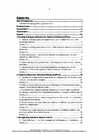


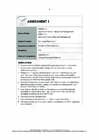
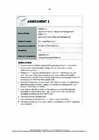


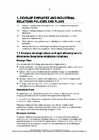

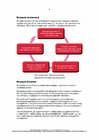
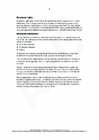

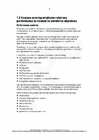

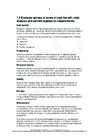







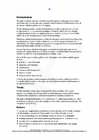
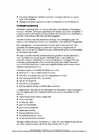









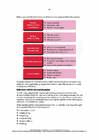
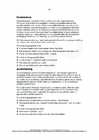
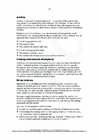

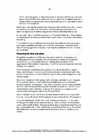



























Kõik kommentaarid