that region. What is a Prarie? Prarie (aslo known as a temperate grassland) is a treeless ecozone in North America. Different names in different countries. Only about 400 mm per year. Hot summers and cold winters. Humans and the Prairies Almost 95 % of the Prairies are converted into farmland. The biggest towns are Calgary, Saskatoon and Winnipeg. The main argiculture industries are wheat, barely and canola. Rich in oil and natural gas. Fauna The most common carnivores are the Black Bear, Coyote and Badger. The most common herbivores are the Mule Deer, Pronghorne Antilope and Elk. Flora Mostly tall grass or bushes. Trees only in Manitoba. The most common trees are white and black spruce, balsam fir and tamarack Problems 5 % remaining. Extinction of the Praries.
active volcanoes, notably Mount Meager, Mount Garibaldi, Mount Cayley and the Mount Edziza volcanic complex. Economy Canada's main economic resources are minerals( nickel, uranium ), timber( the wood from its forests ), grain, petroleum and natural gas. Canada is one of the world's most important suppliers of agricultural products, with the Canadian Prairies one of the most important suppliers of wheat, canola and other grains. Canada is also one of the world's most important suppliers of agricultural products, with the Canadian Prairies one of the most important suppliers of wheat, canola and other grainsCanada is the world's largest producer of zinc and uranium and a world leader in many other natural resources such as gold, nickel, aluminium, and lead; many towns in the northern part of the country, where agriculture is difficult, exist because of a nearby mine or source of timber
tuhasisaldus on madal, Sojavalguisolaat (SPI) EAAsisaldus sarnaneb EAA sisaldusele Metioniin, tsüstiin on piiratud; ei ole kalajahus. ökonoomne suuremahulisel kasutamisel; toorrasva ja tuhasisaldus on madal, Canola jahu Ei kasutatakse laialdaselt kalatoidus, mis on Hind sarnane sojajahuga; madal fosfori sisaldus sarnane proteiinisisaldusega nagu SBM Canola valgu konsentraat Proteiini sisaldus on sarnane kõrge kvaliteedilise Toidu lisandeid on vaja kasutada . kalajahuga, teda on palju testitud, kui proteiini
aastal 4 inimese poolt: Takeshi Mitarai, Goro Yoshida, Saburo Uchida ning Takeo Maeda. Selle loomise alguses polnud ettevõttel vahendeid, et toota oma optilist klaasi, niiet otsustati teha koostööd teise ettevõttega, mille nimi tänapäeval on Nikon Corporation. Esimese kaamera prototüübi nimi oli Kwanon , millel oli siis lameda põhjaga katik. Maailma esimest zoom lens-idega videokaamerat tutvustati 1959dal aastal. Jaapani esimest 10-nupuga kalkulaatorit (Canola 130) tutvustas Canon 1964. aastal. Maailma esimest tindiprinterit tutvustas Canon 1985ndal aastal. Tooted: Ettevõte Canon toodab fotoaparaate, videokaameraid, optikaseadmeid, televisioonitehnikat ning IT-tehnikat. Canonil on kokku 16 tootmisjaama üle kogu Aasia – Hiinas, Hong Kongis, Indias, Koreas, Malaysias, Philippinidel, Singapuris, Taiwanis, Tais ja Vietnamis. Edu põhjused ja tulevik: Minu arvates on Canoni edu põhjuseid olnud päris palju. Näiteks: Organisatsioon
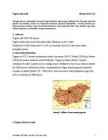
Põllumajandussektori põhiosadeks on jahindus, kalandus ja metsandus. Inglismaa teenindussektor koosneb järgmistest valdkondadest: Finants kaubandus turism haridus London on üks multinatsionaalsetest metropolidest, läbi mille kulgeb globaalne majandus- ja finantstegevus. Ungari põllumajandussektoris on peamisteks põllukultuurideks nisu, mais, suhkrupeet, päevalill, kartul, canola ja erinevad puuviljad (, pirn, virski, ploom...). Lisaks sellele on Ungaris ka veini regioonid. Traditsioonilisteks toodeteks on näiteks pálinka ( puuviljabrändi), veini dessert Tokaji ja punane pulli veri Egri Bikavér, Ungari kõige kuulsam veini sort. Tööstuse põhiosad on raske- (mäetööstus, metallurgia, masinatööstus), energia-, mehhaanika- ja keemiatööstus. Juhtivad tööstused on masina- ja keemiatööstus. Mäetööstus metallurgia ja
icecap south of the Arctic Circle. The British Columbia interior varies from alpine snowfields to deep valleys where desert-like conditions prevail. On the leeward side of the mountains, for example, a rain-shadow effect is created, forcing Okanagan Valley farmers to irrigate their orchards and vineyards. The Interior Plains - The Prairies To drive across the Prairies is to see endless fields of wheat and canola ripening under a sky that seems to go on forever. The plains of Alberta, Saskatchewan and Manitoba are among the richest grain-producing regions in the world. Yet even here are surprises. If you leave the road at Brooks, Alberta, and drive north, you descend into the Red Deer River valley. Here, in desert-like conditions, water and wind have created strange shapes in the sandstone called "hoodoos." The same forces of erosion have
world leader in the production of potash, aluminum, nickel, salt, sulphur and uranium, among others. Today, Canada is the leading producer of potash and is estimated to rank in the top five global producers of aluminum, diamonds, cobalt, nickel, platinum, tungsten, uranium and sulphur Alberta is the country's largest producer of crude oil and gas products (especially natural gas) 13. Which is the main crop grown in the Prairie Provinces? The main crop is wheat, but barley, brassica, canola, and oats are also cultivated. 14. The political and language situation in Quebec. Why do the Quebecois want to be called a distinct society? French is the official language of Quebec 15. What is Nunavut? Nunavut is a territory in Northern Canada. Its' capital is Iqaluit It is Inuits' territory The USA 1. According to J. F. Kennedy, which were the three strong forces that made people migrate to the US? religious persecution, political oppression, and economic hardship 2
also consumed the most fiber [Table 3]. Dietary fiber is also said to help lower cholesterol levels by moving cholesterol particles out of the body and is therefore associated with a lower risk of coronary heart disease.24 Fats are an important part of a healthy diet. They give us energy and support cell growth. There are good fats in foods that our body needs, these foods also contain some essential vitamins and minerals. For example, canola oil is one of the healthy fat sources. It contains omega-3 and 6 fatty acids as well as vitamin E. Above all, foods high in omega-3’s are said to help lower LDL cholesterol levels. However, not every kind of fat is good for the body. Saturated fats are known as the bad fats that raise blood cholesterol levels and therefore higher the risk of heart disease. Foods that contain high amounts of saturated fats include: pork, butter, cheese, lamb, fatty beef, etc
Diseases Diseases can be a serious problem in a sunflower field. Newer varieties have significantly improved resistance or tolerance, but once a disease occurs, little can be done for control. Verticillium wilt and sclerotinia stalk/head rot are two of the worst diseases. Rust, phoma and downy mildew also can appear. Sclerotinia is hard to avoid, since varietal resistance is minimal and sclerotinia organisms can be built up in a field by soybean, alfalfa, canola, and weeds such as lambsquarter and wild mustard. Harvesting and storage Sunflower is ready to harvest when the back portion of the head turns brown. The seeds actually mature somewhat earlier, but the head will be too wet for efficient harvest until the brown color appears. Timely harvest is important to minimize losses due to birds and late season diseases. Efficient harvest requires a modified grain head on the combine. A standard combine
al. 2003). Emnett (1999) reported that Berkshire and Chester White pigs had lower Diet can contribute to meat quality directly glycolytic potential (thought to be an indica- (compounds from the feed source deposit in tor of the RN- allele) than Hampshire or the meat) or indirectly (primarily by increas- Hampshire crossbred pigs. High glycolytic ing fatness). Feeding fish byproducts, raw potential values were associated with lower soybeans, canola oil, and meal can result in pH, poorer WHC, higher cooking loss, and undesirable flavors in meat (Melton 1990). paler color. Pork fat is more likely to be affected by alter- Meat derived from pigs of these very dif- ation of dietary fat source than is beef fat ferent genetic backgrounds does differ in because pigs have little capacity to biohydro- quality characteristics (Brewer et al. 2002)
as I recently did, is to realize just how shaky the data on which such trials rely really are.... It asked me to think back over the past three months to recall whether when I ate okra, squash or yams, were they fried, and if so, were they fried in stick margarine, tub margarine, butter, "shortening" (in which category they inexplicably lump together hydrogenated vegetable oil and lard), olive or canola oil or nonstick spray? I honestly didn't remember, and in the case of any okra eaten in a restaurant, even a hypnotist could not get out of me what sort of fat it was fried in.... This is the sort of data on which the largest questions of diet and health are being decided in America today. Other WHI questions include: When you ate chicken or turkey, how often did you eat the skin? Did you usually choose light meat, dark meat, or both?
 annaabi.ee