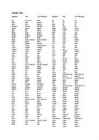
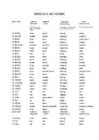
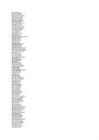
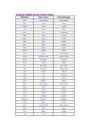
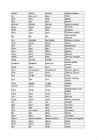
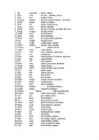
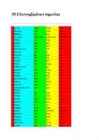
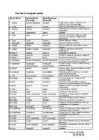
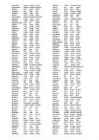
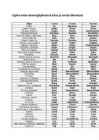
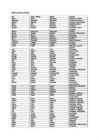
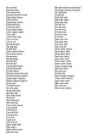
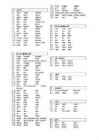
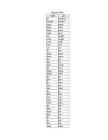
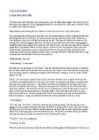
Leidsid 33 sarnast õppematerjali, mis on seotud failiga "Basic Irregular Verbs". Need materjalid aitavad sul teemat sügavamalt mõista.
rise, sent, raise, come, laid, stood, present, burn, burst, cost, hear, hurt, mean, quit, rose, sold, shut, raised, blow, broke, brought, built, burnt, bought, able, caught, chose, came, dealt, draw, drive, fall, felt, fought, found, forbid, forgot, forgive, froze, gave, given, grow, held, kept, know, learnt, left, lent, lain, lost, paid, rang, rungBlow blew blown meet met met Break broke broken pay paid paid Brong brought brought put put put Build built built read read read Burn burnt (Inf+ed) burnt (Inf+ed) ride rode ridden Burst burst burst ring rang rung Buy bought bought rise rose risen Can could (been able to) run ran run Catch caught caught say said said Choose chose chosen see saw seen Come came come seek sought sought
IRREGULAR VERBS INFINITIVE SIMPLE SIMPLE PRESENT PAST PRESENT PAST PARTICIPLE PARTICIPLE (for he, she, or it, (Use with is or was to refer (Use with have or had) add "s" in present to a continuing action) tense) TO ARISE arise arose arising arisen TO AWAKE awake awoke awaking awoken TO BEAR bear bore bearing borne, born TO BEAT beat beat beating beaten
Be,was,been-olema Bear,bore,born(e)-taluma Beat,beat,beaten-tukslema Become,became,become-saama Begin,began,begun-algama Bite,bit,bitten-hammustama Blow,blew,blown-puhuma Break,broke,broken-lõhkuma Build,built,built-ehitama Burn,burnt(burned),-II- -põlema Burst,burst,burst-lõhkema Buy,bought,bought-ostma Can,could,(been able to)-oskama Catch,caught,caught-püüdma Choose,chose,chosen-valima Come,came,come-tulema Cost,cost,cost-maksma Cut,cut,cut-lõikama Deal,dealt,dealt-nr. valima Dig,dug,dug-kaevama Do,did,done-tegema Dream,dreamt(dreamed),-II- -unistama Drink,drank,drunk-jooma Eat,ate,eaten-sööma Fall,fell,fallen-kukkuma Feed,fed,fed-toitma Feel,felt,felt-tundma Fight,fought,fought-kaklema Find,found,found-leidma Flee,fled,fled-põgenema Fly,flew,flown-lendama Forbid,forbade,forbidden-keelama Forget,forgot,forgotten-unustama Forgive,forgave,forgiven-andestama Freeze,froze,frozen-külmuma Get,got,got-saama Give,gave,given-andma Go,went,gone-minema Grow,grew,grown-kasvama Hang,hu
bleed bled bled blend blended blended bless blessed, blest blessed, blest blow blew blown break broke broken breed bred bred bring brought brought broadcast broadcast broadcast build built built burn burnt, burned burnt, burned burst burst burst buy bought bought cast cast cast catch caught caught choose chose chosen cleave clove, cleft cloven, cleft cling clung clung clothe clothed clothed come came come
break broke broken lõhkuma breed bred bred Tekkima, tekitama bring brought brought Tooma Eetrisse andma, broadcast broadcast broadcast esinema build built built ehitama burn burned/burnt burned/burnt Põletama, põlema burst burst burst Lõhkema, tõusma buy bought bought Ostma Heitma, viskama, cast cast cast valama catch caught caught Püüdma choose chose chosen Valima Klammerduma, kinni cling clung clung pidama
puhuma blow blew blown vigastama hurt hurt hurt lõhkuma break broke broken hoidma keep kept kept tooma bring brought brought teadma know knew known ehitama build built built asetama lay laid laid plahvatama burst burst burst viima lead led led ostma buy bought bought lahkuma leave left left püüdma catch caught caught lubama let let let valima choose chose chosen lamama lie lay lain tulema come came come kaotama lose lost lost
1. Be was/were been olema 2. Bear bore born(e) kandma, taluma 3. Beat beat beaten- lööma 4. Become became become- saama kellekski , millekski 5. Begin began begun- alustama 6. Bite bit bitten- hammustama 7. Blow blew blown- puhuma 8. Break broke broken-murduma, murdma, lõhkuma 9. Bring brought brought-tooma 10. Build built built-ehitama 11. Burn burnt burnt-põletama 12. Burst burst burst-purskama, puhkema 13. Buy bought bought-ostma 14. Can could could-võima, suutma 15. Catch caught caught- kinni püüdma 16. Choose chose chosen-valima 17. Come came come-tulema 18. Cost cost cost- maksma, väärt olema 19. Cut cut cut-lõikama 20. Deal dealt dealt-kauplema, käsitlema, tegelema 21
99 Ebareeglipärast tegusõna 1 seisma stand stood stood 2 kleepima stick stuck stuck 3 rääkima tell told told 4 aru saama understand understood understood 5 võitma win won won 6 omama have had had 7 hoidma hold held held 8 juhtima/viima lead led led 9 süütama light lit lit 10 kaevama dig dug dug
28. broadcast broadcast broadcast (raadio või televisiooni teel) saatma või levitama, eetrisse andma; 29. browbeat browbeat browbeaten (kurja pilgu või kärkimisega) heidutama, hirmutama, araks tegema 30. build built built ehitama 31. burn burnt (burned) burnt (burned) põlema 32. burst burst burst purskama (nutma/naerma), plahvatama, lõhkema 33. bust bust (busted) bust (busted) purustama; ruineerima; vahi alla võtma, vahistama 34. buy bought bought ostma
alustama begin began begun näitama show showed shown andestama forgive forgave forgiven olema be was been andma give gave given omama have had had asetama lay laid laid ostma buy bought bought ehitama build built built otsima seek sought sought elama dwell dwelt dwelt painutama bend bent bent ennustama forecast forecast forecast paiskama cast cast cast haisema stink stank stunk paisutama swell swelled swollen haistma smell smelt smelt panema put put put
Murdma, purustama Break Broke Broken Kasvatama/aretama Breed Bred Bred Tooma Bring Brought Brought Raadio/tv kaudu edastama Broadcast Broadcast/-ed Broadcast/-ed Ehitama Build Built Built Põlema, põletama Burn Burned/burnt Burned/burn Lõhkema Burst Burst Burst Ostma Buy Bought Bought Viskama, valama Cast Cast Cast Püüdma Catch Caught Caught Tõrelema Chide Chid/chided Chid/chided/chid
BEGIN BEGAN BEGUN ALGAMA, ALUSTAMA BITE BIT BITTEN HAMMUSTAMA BLOW BLEW BLOWN PUHUMA BREAK BROKE BROKEN MURDMA, KATKI TEGEMA BRING BROUGHT BROUGHT TOOMA BURN BURNT BURNT PÕLEMA, PÕLETAMA BUILD BUILT BUILT EHITAMA BURST BURST BURST PUHKEMA BUY BOUGHT BOUGHT OSTMA CATCH CAUGHT CAUGHT KINNI PÜÜDMA CHOOSE CHOSE CHOSEN VALIMA COME CAME COME TULEMA COST COST COST MAKSMA, VÄÄRT OLEMA CUT CUT CUT LÕIKAMA DEAL DEALT DEALT KÄSITLEMA DO DID DONE TEGEMA
Be was been Misunderstand misunderstood 2 Bear bore born Oversleep overslept overslept Beat beat beaten Pay paid paid Become became become Put put put Begin began begun Read read read Bite bit bitten Ride rode ridden Break broke broken Ring rang rung Build built built Run ran run Burst burst burst Say said said Buy bought bought See saw seen Catch caught caught Sell sold sold Can could Send sent sent Come came come Set set set Cost cost cost Shoot shot shot Cut cut cut Sing sang sung Deal dealt dealt Sink sank sunk Dig dug dug Slide slid slid Do did done Speak spoke spoken Dream dream dreamt Spend spent spent
34 understand understoodunderstood 1.2 take took taken 2.35 wake woke, waked woken, waked 1.3 speak spoke spoken 2.36 win won won 1.4 ride rode ridden 1.5 hide hid hidden, hid 1.6 give gave given 1.7 forget forgot forgotten 3 111 (3 similar) 10 1.8 fall fell fallen 3.1 cost cost cost 1.9 eat ate eaten 3.2 cut cut cut 1.10 drive drove driven 3.3 hit hit hit 1.11 do did done 3.4 hurt hurt hurt 1.12 choose chose chosen 3.5 let let let 1.13 break broke broken 3.6 put put put 1.14 beat beat beaten, beat 3.7 read read read 1
Olema BE-WAS/WERE-BEEN kuulma HEAR/HEARD/HEARD Saama k/m BECOME-BECAME-BECOME peitma HIDE/HID/HIDDEN Alustama BEGIN/BEGAN/BEGUN lööma HIT/HIT/HIY Hammustama BITE/BIT/BITTEN hoidma HOLD/HELD/HELD Puhkama BLOW/BLEW/BLOWN haiget tegema HURT/HURT/HURT Katki BREAK/BROKE/BROKEN jätma KEEP/KEPT/KEPT Tooma BRING/BROUGHT/BROUGHT teadma KNOW/KNEW/KNOWN Ehitama BUILD/BULIT/BUILT juhtima LEAD/LED/LED Ostma BUY/BOUGHT/BOUGHT õppima LEARN/LEARNT/LEARNT Püüdma CATCH/CAUGHT/CAUGHT jätma LEAVE/LEFT/LEFT Valikud CHOOSE7CHOSE/CHOSEN välja laenutama LEND/LENT/LENT Tulema COME/CAME/COME laskma LET/LET/LET Maksma COST/COST/COST kaotama LOSE/LOST/LOST Lõikama CUT/CUT/CUT tegema MAKE/MADE/MADE Tegema DO/DID/DONE tähendama MEAN/MEANT/MEANT Joonistama DRAW/DREW/DRAWN kohtama MEET/MET/MET Jooma DRINK/DRANK/DRUNK maksma PAY/PAID/PAID Sõitma DRIVE/DROVE/DRIVEN panema PUT/PUT/PUT Sööma EAT/ATE/EATEN lugema READ/READ/READ Kukkuma FALL/FELL/FALLEN sõitma RIDE/RODE/RIDDEN Toitma FEED/FED/FED helisema RIN
III vorm - Bet III vorm - Bitten Puhuma = Blow Lõhkuma, katki minema = Break I vorm Blow I vorm Break II vorm Blew II vorm Broke III vorm - Blown III vorm - Broken Tooma = Bring Ehitama = Build I vorm Bring I vorm Build II vorm Brought II vorm Built III vorm - Brought III vorm - Built Põlema, põletama = Burn Ostma = Buy I vorm Burn I vorm Buy II vorm Burnt II vorm Bought III vorm - Burnt III vorm - Bought Saama, võima, oskama = Can (Kinni) Püüdma = Catch I vorm Can I vorm Catch II vorm Could II vorm Caught III vorm - Puudub III vorm - Caught Valima = Choose Tulema = Come I vorm Choose I vorm Come
beset beset beset bet bet bet bid bid/bade bid/bidden bind bound bound bite bit bitten bleed bled bled blow blew blown break broke broken breed bred bred bring brought brought broadcast broadcast broadcast build built built burn burned/burnt burned/burnt burst burst burst buy bought bought cast cast cast catch caught caught choose chose chosen cling clung clung come came come cost cost cost creep crept crept cut cut cut deal dealt dealt dig dug dug dive dived/dove dived do did done draw drew drawn
Irregular Verbs simple past be was/were become became begin began blow blew break broke build built buy bought catch caught come came cost cost cut cut do did drink drank drive drove eat ate feel felt find found fly flew forget forgot freeze froze get got give gave go went have had hear heard hit hit hold held hurt hurt keep kept know knew lay laid lead led leave left lend lent let let lie lied lose lost make made meet met pay paid put put
leave left left lahkuma lend lent lent andma , laenama let let let laskma , lubama lie lay lain valetama light lit lit valgustama , põlema pana lose lost lost kaotama make made made tegema mean meant meant tähendama meet met met kohtuma must had to had to pidama pay paid paid maksma put put put panema read read red lugema ride rode ridden sõitma ring rang rung helisema run ran run jooksma say said said ütlema see saw seen nägema sell sold sold müüma send sent sent saatma set set set seadma shine shone shone särama show showed shown näitama shut shut shut sulgema sing sang sung laulma sink sank sunk uppuma , uputama sit sat sat istuma sleep slept slept magama smell smelled/smelt haisema speak spoke spoken rääkima spend spent spent kulutama spill siplled /spilt spilled spilt üle ajama stand stood stood seisma steal stole stolen varastama swim swam swum ujuma take took taken võtma teach taught taught õpetama tear tore torn rebima
Inglise keel. Ebareeglipärased tegusõnad + tavalised tegusõnad + muud asjad. 1. Be was/were been - olema 2. Break broke broken katki tegema 3. Bring brought brought- tooma 4. Built built built - ehitama 5. Buy bought bought ostma 6. Catch caught caught kinni püüdma 7. Come came come - tulema 8. Dig dug dug - kaevama 9. Do did done - tegema 10.Draw drew drawn - joonistama 11.Drink drank drunk - jooma 12.Drive drove driven autot juhtima 13.Eat ate eaten - sööma 14.Feed fed fed - söötma 15.Find found found - leidma 16.Fly flew flown - lendama 17.Get got - got - saama 18.Go went gone - minema 19.Have had had - omama 20.Hear heard heard - kuulma 21.Hold held held - hoidma 22
Bear bore born(e) - kandma; taluma, sünnitama Tear tore torn rebima, katki rebestama Bite bit bitten - hammustama tell told told - ütlema, jutustama, käskima Blow blew blown - puhuma; lõhkama Think thought thought- mõtlema, arvama Bring brought brought - tooma, esile tooma, ajendama Throw threw thrown - viskama Burst burst burst - lõhkema,puhkema, pakatama Wear wore worn kandma (rõivaid, ehteid, soengut jms) Choose chose chosen - valima Come came come - tulema Deal dealt dealt - tegelema, äri ajama Do did done - tegema Dream dream dreamt(dreamed) dreamt(dreamed) unistama; (unes) nägema Feed fed fed - toitma, söötma, karjatama Fight fought fought - võitlema, kaklema, sõdima
3 TALLEGG 11 MIZDE 4 VESITERM 12 LADA 5 STOW 13 SCHWUNG 6 KALEV 14 MAIASMOKK 7 YAMAHA 15 ISKU 8 ESTRAVEL 2 Affirmative tense Use Signal Words Negative/Questions · action in the present taking always, Present Simple A: He speaks. place once, never or several every ..., N: He does not speak. normally, often, Q: Does he speak? times seldom, · facts sometimes,
be was / were been become became become begin beganbegun bring brought brought buy bought bought choose chose chosen come came come do did done drink drank drunk drive drove driven eat ate eaten fall fell fallen feel felt felt find found found fly flew flown forget forgot forgotten get got got (gotten in USA) give gave given go went gone have had had hear heard heard keep kept kept know knew known leave left left lend lent lent let let let lose lost lost make made made meet met met pay paid paid put put put
me to explore. I was not merely across the country from my former home in San Diego, but seemingly worlds away. Two major metropolises-one endlessly temperate and sensually lazy, the other teeming with life and frenetic energy. In my dreams, I'd imagining living in a walkup in Brooklyn, but being a dutiful daughter, I found myself on the Upper West Side instead. If not for Cary living with me, I would've been miserably lonely in the sprawling apartment that cost more per month than most people made in a year. The doorman tipped his hat to me. "Good evening, Miss Tramell. Will you need a cab this evening?" "No thanks, Paul." I rocked onto the rounded heels of my fitness shoes. "I'll be walking." He smiled. "It's cooled down from this afternoon. Should be nice." "I've been told I should enjoy the June weather before it gets wicked hot." "Very good advice, Miss Tramell."
wide, childlike eyes. How could I leave my loving, erratic, harebrained mother to fend for herself? Of course she had Phil now, so the bills would probably get paid, there would be food in the refrigerator, gas in her car, and someone to call when she got lost, but still... "I want to go," I lied. I'd always been a bad liar, but I'd been saying this lie so frequently lately that it sounded almost convincing now. "Tell Charlie I said hi." "I will." "I'll see you soon," she insisted. "You can come home whenever you want -- I'll come right back as soon as you need me." But I could see the sacrifice in her eyes behind the promise. "Don't worry about me," I urged. "It'll be great. I love you, Mom." She hugged me tightly for a minute, and then I got on the plane, and she was gone. It's a four-hour flight from Phoenix to Seattle, another hour in a small plane up to Port Angeles, and then an hour drive back down to Forks. Flying doesn't bother me; the hour in the car with Charlie, though, I
1. Prepositions of place The ball is in the box The ball is on the box. The ball is under the box. Jane's house Bill's house John's house John's house is next to Jane's Jane's house is between Bill's Bill's house is next to Jane's house. and John's houses. house. The man stood The climbers The man stood The enemies stood The gardners next to the gopher stood on top of between the two opposite each stood behind the and held the the mountain. enemies. other. pumpkins. umbrella over it. The man looked
Chapter1: An unknown woman was found lying in the street and brought into the workhouse. She delivered a sickly child who had trouble breathing. The woman, without a word of who she was, died and left her new born boy, Oliver, to the drunken nurse that stood by. Chapter2: The State gave Oliver to Mrs. Mann who housed a number of orphaned children. Mrs. Mann took a large portion of the money given to her by the authorities for each child's food so Oliver grew up small and malnourished. On his ninth birthday, the town beadle, Mr. Bumble, came to collect Oliver and take him to the board for an interview. They told him he was to live with other wards of the state to become educated and learn a trade
The Imperative 141 The Articles 71 The Subject and the Object 143 Demonstrative Determiners 73 Direct and Indirect Objects 144 Interrogative Determiners 74 Positive and Negative Sentences146 Possessive Determiners 75 Questions 147 7 Verbs and Tenses 79 14 Punctuation 150 The Simple Present Tense 80 Period 150 Am, Is and Are 83 Comma 151 The Present Progressive Tense 89 Exclamation Point 152 Have and Has 93 Question Mark 152 The Present Perfect Tense 96 Apostrophe 153 1 What is Grammar? Here's an old children's rhyme about the eight parts of speech of English grammar
Küsilaused: Have you got any sisters? Kas sul õdesid on? Can you get you anything? Kas ma toon sulle midagi? Can you see anybody? Kas sa näed kedagi? 64 KUUL UULAA & KORD KORDA ORDA NO, NOTHING, NOBODY no (mitte ükski) nothing (mitte miski) kasutatakse eitavates lausetes ilma sõnata NOT nobody (mitte keegi) They've got no grandchildren. Neil ei ole lapselapsi. It cost almost nothing. See ei maksnud peaaegu mitte midagi Nobody knows us here. Siin ei tunne meid keegi. MANY ja MUCH; FEW ja LITTLE MANY (palju) ning FEW (vähe) - kasutatakse loendatavate nimisõnadega MUCH (palju) ning LITTLE (vähe) - kasutatakse loendamatute nimisõnadega. MANY + loendatav sõna MUCH + loendamatu sõna Did you buy many books? Did you buy much food? Kas sa ostsid palju raamatuid
passive: This room was cleaned yesterday. These rooms were cleaned yesterday. Infinitive (to) be + III pv (done/ cleaned/ seen jne) The situation is serious. Something must be done before it's to late. Active: Somebody will clean the room later. Passive: The room will be cleaned later. Perfect infinitive (to) have been + III pv (done/ cleaned/ seen jne) I haven't received the letter yet. It might have been sent to the wrong address. Active: Somebody should have cleaned the room. Passive: The room should have been cleaned. Present perfect passive have/ has been + III pv (done jne) Have you heard? The concert has been cancelled. Present perfect active: The room looks nice. Somebody has cleaned it. passive: The room looks nice. It has been cleaned. Past perfect passive had been + III pv (done jne) The car was three years old but hadn't been used very much.
In his last phase, he wrote tragicomedies, also known as ro- mances, and collaborated with other playwrights. Many of his plays were published in editions of varying quality and accur- acy during his lifetime, and in 1623 two of his former theatrical colleagues published the First Folio, a collected edition of his dramatic works that included all but two of the plays now re- cognised as Shakespeare's. Shakespeare was a respected poet and playwright in his own day, but his reputation did not rise to its present heights until the nineteenth century. The Ro- mantics, in particular, acclaimed Shakespeare's genius, and the Victorians hero-worshipped Shakespeare with a reverence that George Bernard Shaw called "bardolatry". In the twentieth century, his work was repeatedly adopted and rediscovered by 2 new movements in scholarship and performance. His plays re- main highly popular today and are consistently performed and
Lamb to the Slaughter by Roald Dahl (1916-1990) The room was warm and clean, the curtains drawn, the two table lamps alight - hers and the one by the empty chair opposite. On the sideboard behind her, two tall glasses, soda water, whiskey. Fresh ice cubes in the Thermos bucket. Mary Maloney was waiting for her husband to come him (correction: home) from work. Now and again she would glance up at the clock, but without anxiety, merely to please herself with the thought that each minute gone by made it nearer the time when he would come. There was a slow smiling air about her, and about everything she did. The drop of a head as she bent over her sewing was curiously tranquil. Her skin - for this was her sixth month with child - had acquired a
And even though we had different daddy's, the same drama When things went wrong we'd blame mama I reminice on the stress I caused, it was hell Huggin on my mama from a jail cell And who'd think in elementary? Heeey! I see the penitentiary, one day And runnin from the police, that's right Mama catch me, put a whoopin to my backside And even as a crack fiend, mama You always was a black queen, mama I finally understand for a woman it ain't easy tryin to raise a man You always was committed A poor single mother on welfare, tell me how ya did it There's no way I can pay you back But the plan is to show you that I understand You are appreciated Chorus: Reggie Green & "Sweet Franklin" w/ 2Pac * Lady... Don't cha know we love ya? Sweet lady Dear mama Place no one above ya, sweet lady You are appreciated Don't cha know we love ya? * second and third chorus, "And dear mama" instead of "Dear mama" Verse Two: 2Pac Now ain't nobody tell us it was fair
 annaabi.ee