Rhino Made by: Gert Metsküla 7.a Introduction 5 extant (alles jäänud) species Two in Africa and three in southern Asia large size herbivorous diet thick protective skin relatively small brains (400600g) large horn acute hearing and sense of smell, but poor eyesight Most live to be about 60 years old or more. White Rhinoceros Exceed 3500 kg head-and-body length of 3.5-4.6 m height of 180-200 cm White Rhinoceros was about 4600 kg White Rhinos is about 14,500 Black Rhinoceros Live in south-Africa Black Rhinoceros stands 150 175 cm weighs from 850 to 1600 exceptionally to 1820 kg Two horns are made of keratin what is 50 cm long exceptionally up to 140 cm Indian Rhinoceros in Nepal and North- Eastern India. weighing from 2500 3200 kg silver-brown skin is from 3-4 meters long. What we can to do to save rhinos life? People must stop buying products made from rhino horn!
• How to avoid palm oil in your diet – avoid packaged and processed foods. Cook your own meals from natural whole foods Impacts on environment • Oil palms are grown in tropics – Asia, Africa, Latin America • Large areas of tropical forests and other ecosystems with high conservation values have been cleared to make room for vast monoculture of oil palm plantations. This clearing has destroyed critical habitat for many endangered species—including rhinos, elephants, tigers and orang-utans – the biggest victims • Burning forests to make room for the crop is a major source of greenhouse gas emissions. Intensive cultivation methods result in soil pollution and erosion and water contamination Impact on inhabitants • Oil palm plantations are a threat to people living in rainforests, destroying their livelihoods and culture • Small farmers and indigenous people are being forced off their ancestral land
People can be proud of what they have done, but decreasing the population of a species largely will cause the specific animal breed to go extinct faster than it would happen via natural causes. Therefore, humans should stop hunting endangered species to slow down their extinction, as these species offer balance in the wildlife, are used without purpose in medicine, and may even reduce poverty. Species on the brink of extinction affect us more than we realize. Sure, pandas are cute, and rhinos are fun to look at, but is there anything more to that? All animals and plants form a very important part of our ecosystem that also includes our lands and waters. Remove one part from the environment and damage will be done. For example, after the last wolves were killed in Yellowstone Park in 1926, problems began to emerge. During the 70 years before wolves were reintroduced to Yellowstone Park there were many problems with the rise in deer population, conditions of the park were
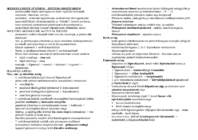
NINA – NASUS/RHINOS VÄLISNINA – NASUS EXTERNUS Ninaselja toes: - ülaosas luuline – os nasale - alaosas kõhreline – cartilago septi nasi ja cartilago nasi lateralis - ninatiiva ja ninaotsa aluseks on cartilago alaris major NINAÕÕS - CAVITAS NASI - vahesein – septum nasi sõõrmete piirkonnas kileline eesosas kõhreline – cartilago septi nasi tagaosas luuline – sõelluu lamina perpendicularis + sahkluu NINAESIK – VESTIBULUM NASI - pärisninaõõnest eraldab limen nasi - ninaesikusse avaneb allapoole sunnatud sõõre – naris PÄRISNINAÕÕS – CAVITAS NASI PROPRIA - Concha nasaalis superior, media et inferior - Meatus nasi superior, media et inferior - Meatus nasi communis – ühinevad selleks - Nina-neelukäik – meatus nasopharyngeus -> karbikutest tagapool -> avaneb frontaaltasapinnas choana kaudu ülaneeluõõnde Regioonid - Regio cutanea – karvad (võõrkehad), higi- ja rasunäärmed - Reg...
Nad lendavad madalal taimestiku kohal, peatudes tihti väljaulatuvatel taimeosadel. Eemalt vaadates on nad väikesed, mustad, suurte tumepruunide silmadega. Lähemal vaatlusel võib märgata iseloomulikke tunnuseid, mille järgi neid teistest kiilidest eristada: tumepruunid läbipaistmatud laigud tagatiibade alusel kehapoolses 8 osas ning valge laup ehk nägu (kreeka keeles leuco valge, rhinos nina, siit ka ladinakeelne perekonnanimetus Leucorrhinia). Keha on neil tihedalt kaetud karvadega, eriti pikad ja tihedad on rindmikukarvad. Mõnel liigil kaunistavad musta tagakeha silmatorkavad punakad või kollakad laigud. Kõikidest teistest rabas lendavatest kiilidest sarnanevad oma suuruse, kuju ja käitumise poolest rabakiilidega ainult loigukiilid. Nad on samamoodi lühikese tagakeha ja laiade tiibadega, kuid
- Regio respiratoria mitmerealine ripsepiteel + karikrakud + seganäärmed -> rikkalik verekapillaaride võrgustik + veenipõhimikud -> temperatuuri reguleerimine NINA NASUS/RHINOS VÄLISNINA NASUS EXTERNUS HINGETORU TRACHEA Ninaselja toes: - 10-12 cm pikkune - ülaosas luuline os nasale - kõhrelise toesega elastne toru - alaosas kõhreline cartilago septi nasi ja cartilago nasi lateralis - algab: kõri alumine serv
wife wives you kn id o D But you only add -s to giraffe to form the w ? plural. 27 If a noun ends in -o, you just add -s to form the plural. a rhino rhinos Word File Singular Plural a hippo hippos a video videos a zoo zoos a kangaroo kangaroos But with some nouns that end in -o, you add -es to form the plural.
 annaabi.ee