 10 punkti
Autor soovib selle materjali allalaadimise eest saada 10 punkti.
10 punkti
Autor soovib selle materjali allalaadimise eest saada 10 punkti.
 ~ 23 lehte
Lehekülgede arv dokumendis
~ 23 lehte
Lehekülgede arv dokumendis
 2011-02-13
Kuupäev, millal dokument üles laeti
2011-02-13
Kuupäev, millal dokument üles laeti
 9 laadimist
Kokku alla laetud
9 laadimist
Kokku alla laetud
 0 arvamust
Teiste kasutajate poolt lisatud kommentaarid
0 arvamust
Teiste kasutajate poolt lisatud kommentaarid
 ThePinkSneakers
Õppematerjali autor
ThePinkSneakers
Õppematerjali autor
The official language is French. Quebec is the largest province in area and the second largest in population. Ontario Ontario has a larger population than any other province. About a third of Canada's people live there. About half of Ontario's people are of British or Irish descent. Ontario produces about half of Canada's manufactured goods and is the leading agricultural province. The territories are The Yukon Territory, The North-west Territories. Cities Montreal, Quebec and Toronto, Ontario are the two largest cities in Canada. They are the centres of two metropolitan areas, each of which has 3, 5 million people. Ottawa, Ontario, is the nation's capital. Government The form of a government is a Federal Republic. Each province has its own government. The territories are self governing, but the federal government plays a large role in their administration. The cabinet system of Canada unites the legislative and executive branches of the government
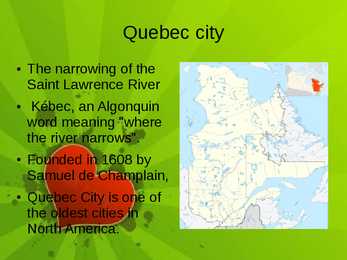
He sighted land on 24 June rediscovered of Canada's eastern shores and landed somewhere near Newfoundland, Maine or Cape Breton Island. King Henry VII gave him 10 pounds for "finding a new isle" and sponsored a new yoyage. Jaques Cartier did three expeditions to Canada. He sailed from Northern France in 1534, 1535-1536 and 1541-1542 and sailed up the St Lawerence River. He visited the sites of the present Quebec City and Montreal then Indian villages. Samuel de Champlain founded New France and Quebec City on July 3, 1608. He is important to Canadian history because he made the first accurate map of the coast and he helped establish the settlements. 9. Who founded the first permanent French settlement in Canada? Where? The first permanent French settlement attempt occurred in 1604 when Samuel de Champlain founded the first settlements in the Bay of Fundy region
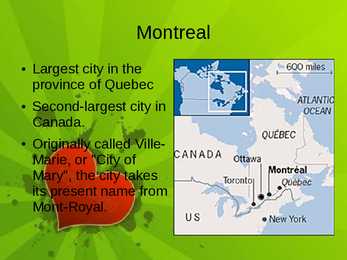
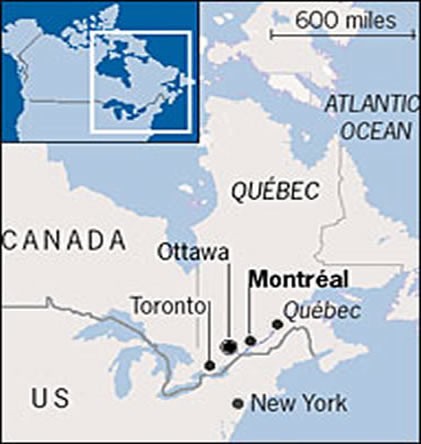
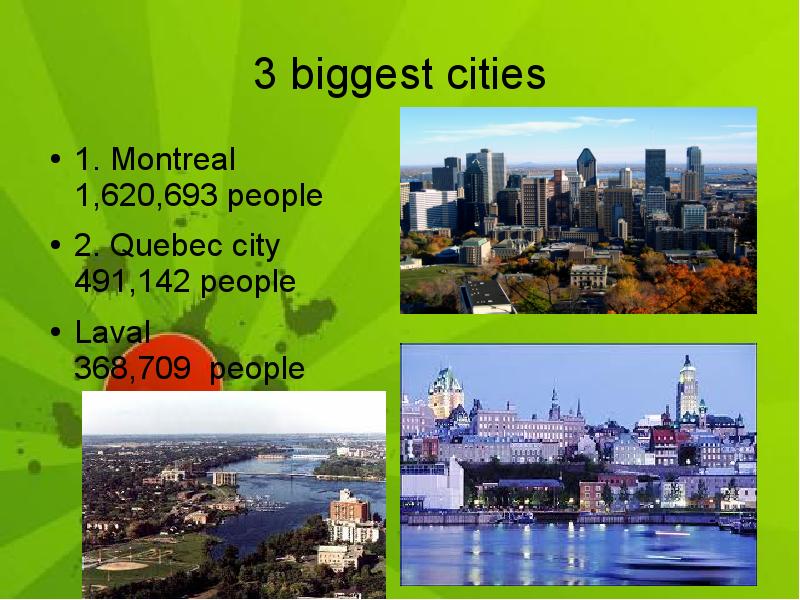
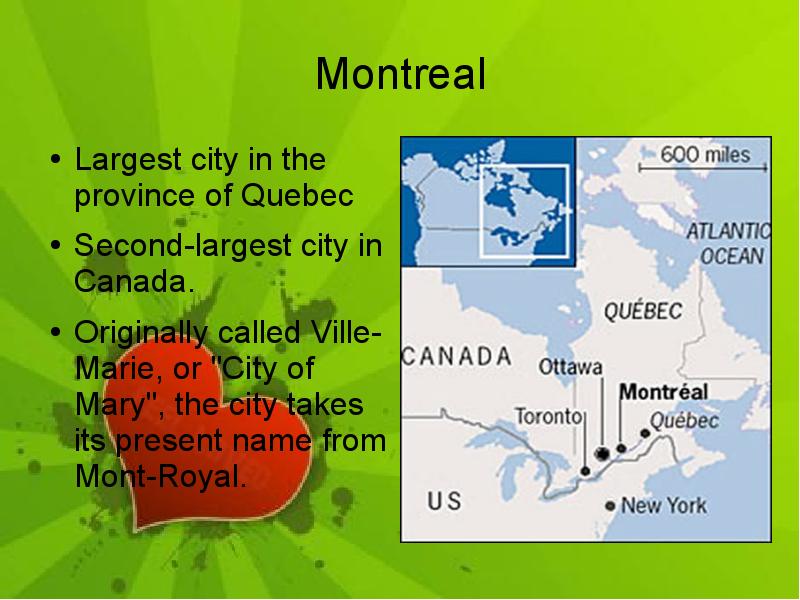
terrain and contains thousands of lakes. These lakes are the sources of rivers that break into great rapids and waterfalls used for hydroelectric production, providing power for pulp and paper mills, and a variety of other industries. Relatively few people live in the Canadian Shield because of its poor soil and cold climate. The Canadian Shield has much of Canada's mineral wealth, producing most of the country's iron ore. Central Canada, which includes Ontario and Quebec, is not really the geographic centre of Canada. The region gets its name because, historically, it has been the centre of political and economic power in the country. Canada's capital city is Ottawa, Ontario. Toronto and Montreal are the two largest cities in Canada. Central Canada is also the most heavily populated and industrialized area of Canada, particularly in the south around the Great Lakes and the St Lawrence River. The Great Lakes are the largest body of fresh water in the world
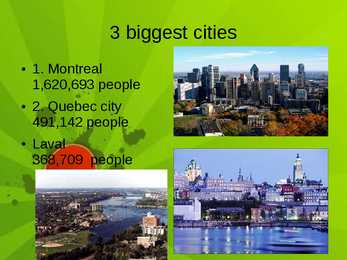
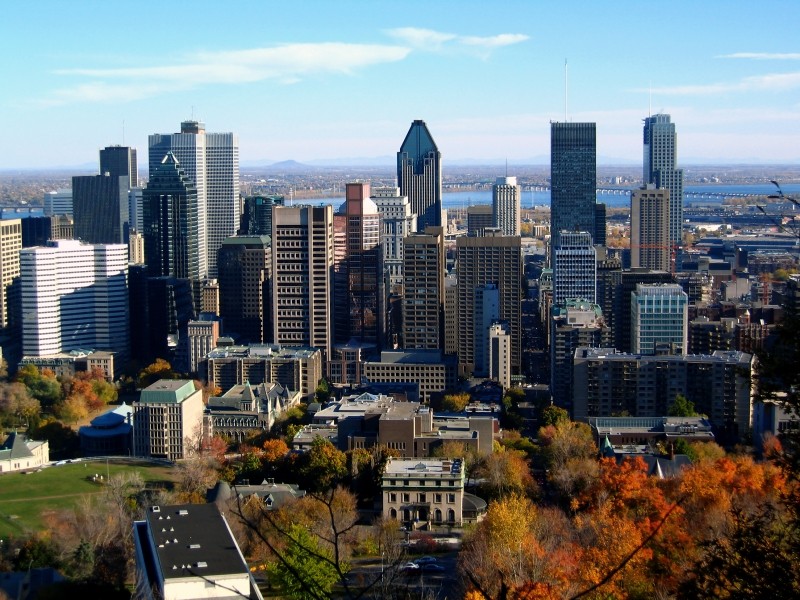
Canada. Canada is a very big country in the continent of North America. It is about 10 million square kilometres and that makes it the second largest country in the world after Russia. Quebec (the province) is six times as big as the UK. Canada borders the Atlantic Ocean, the Pacific Ocean, the Arctic Ocean and the USA. The capital of Canada is Ottawa and other main cities are Toronto, Montreal and Vancouver. It is a very developed country. Montreal is the largest city and it is called the Paris of North America because most of the people there speak French. The population of Canada is 28 million people. It is a very multicultural country
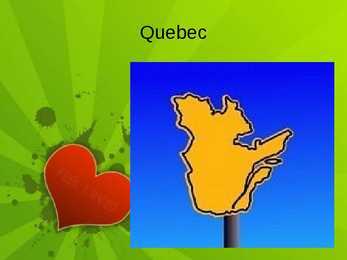
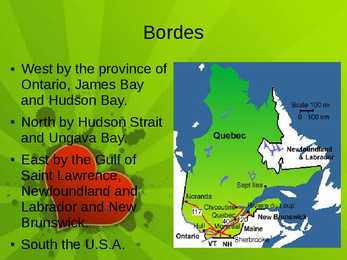
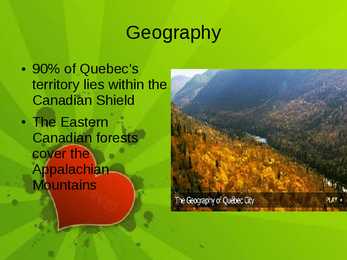
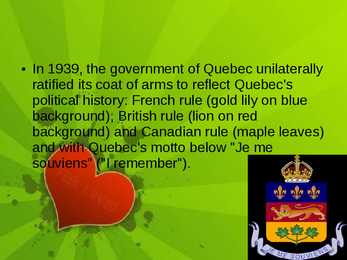
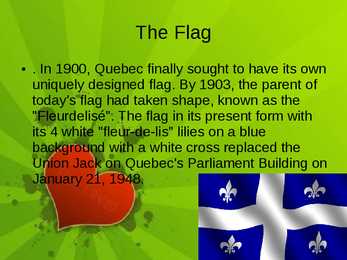
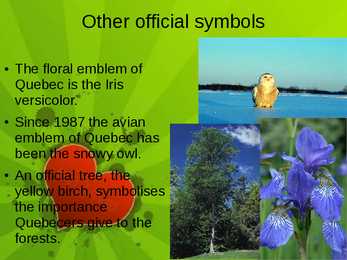
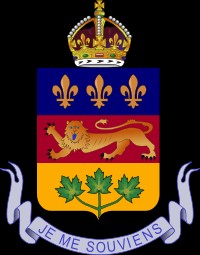
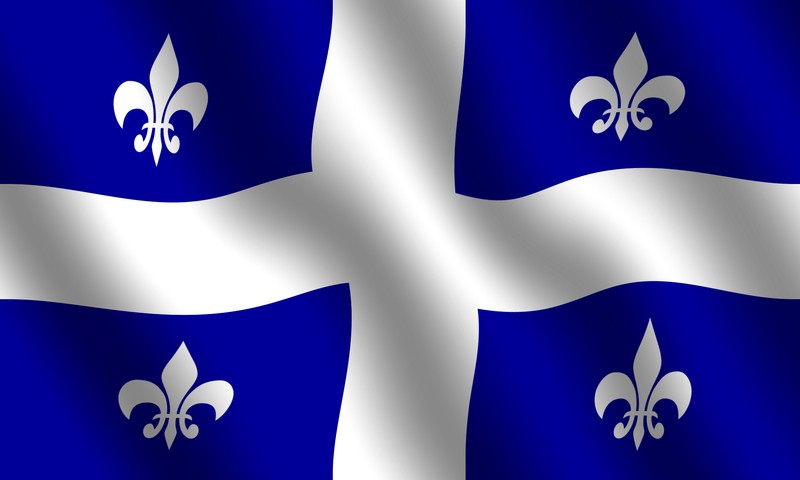
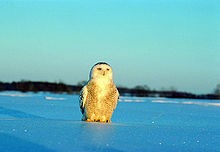
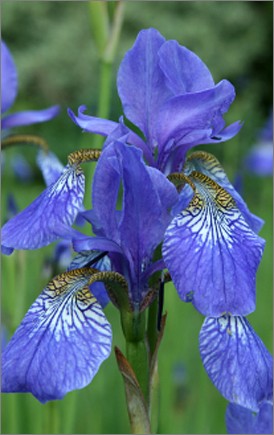
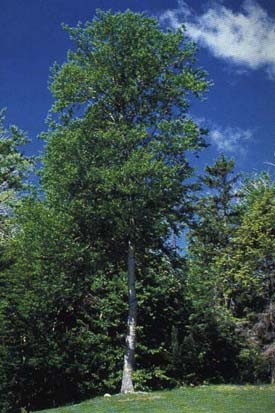
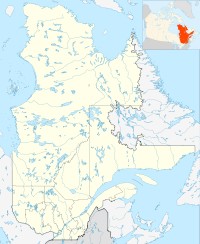
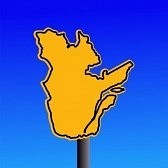
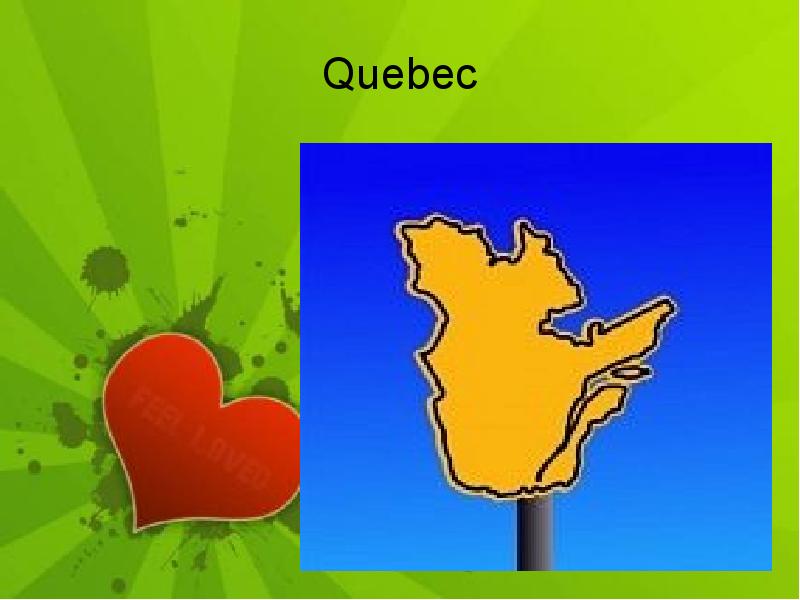
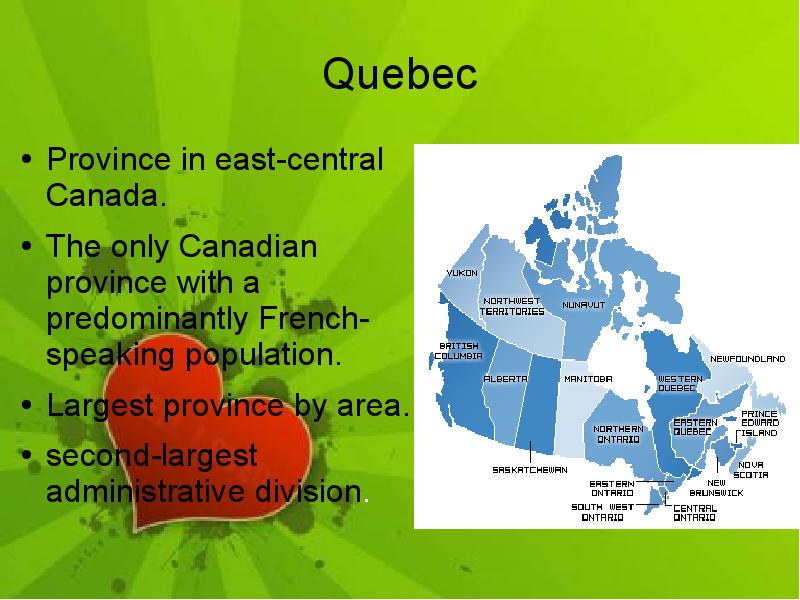
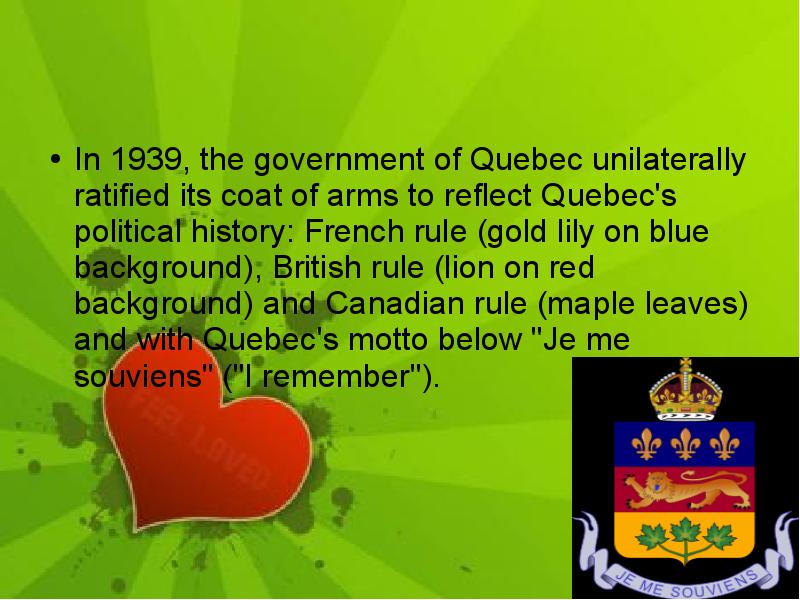
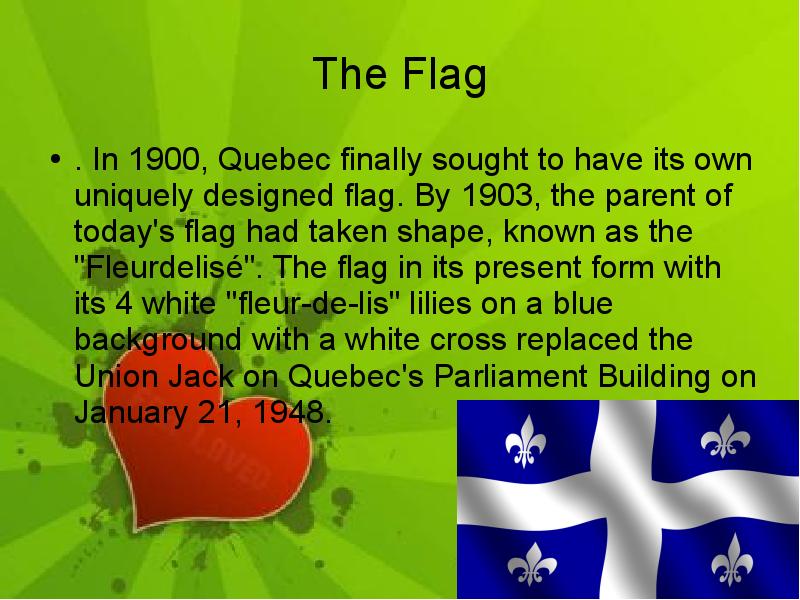
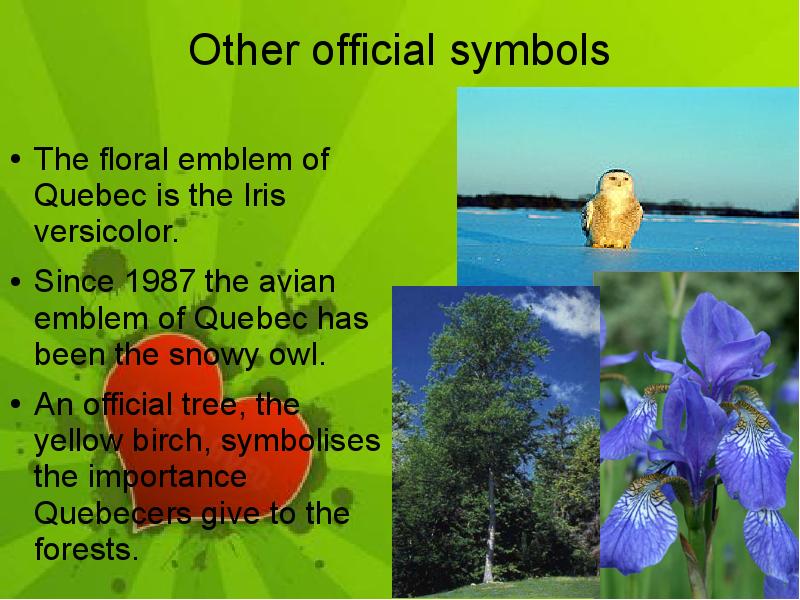
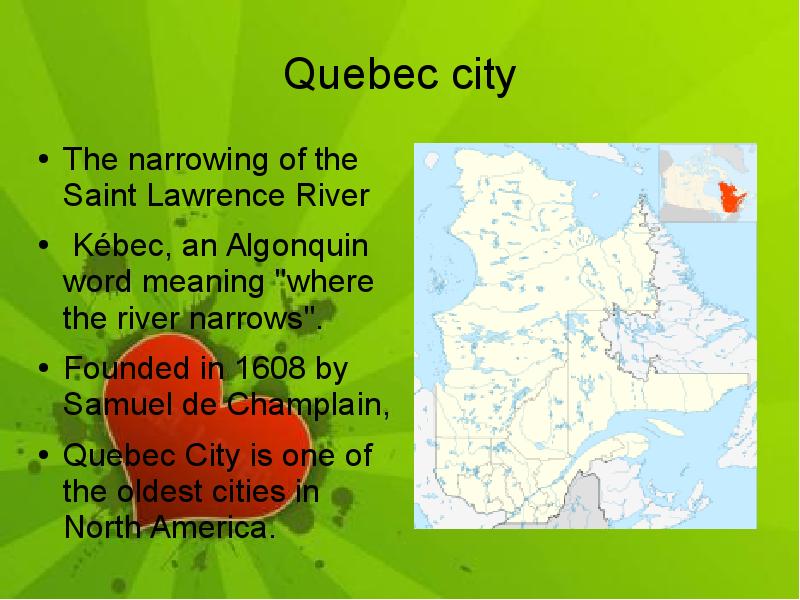
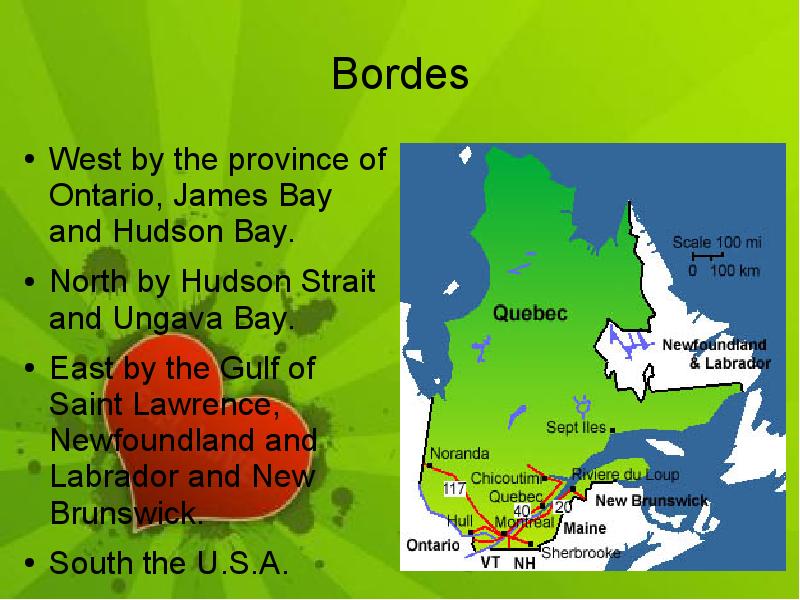
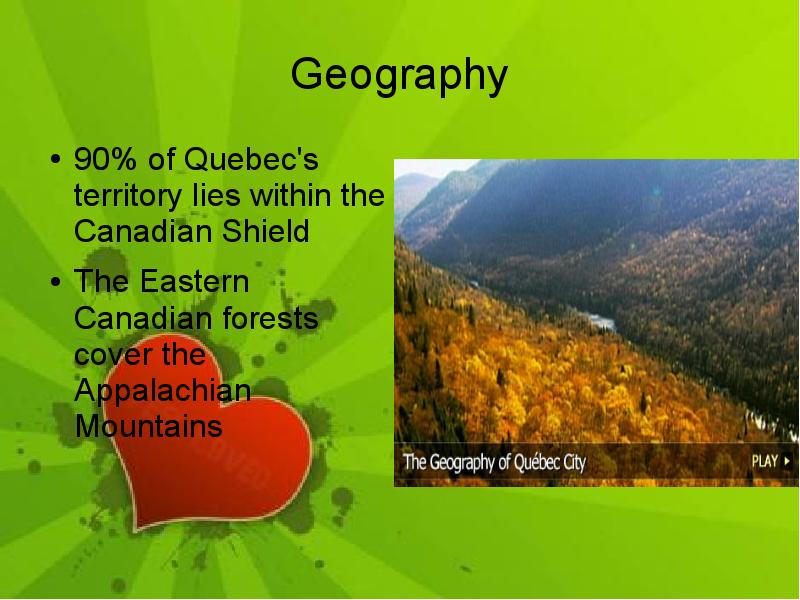
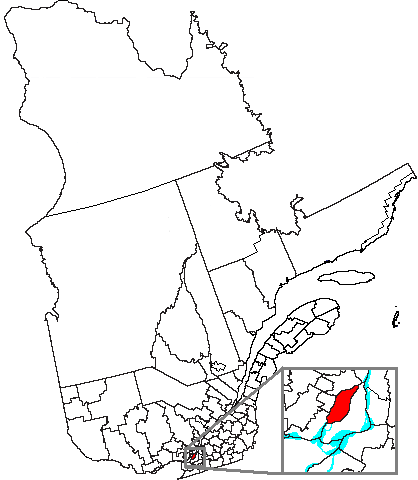
Quebec. Factfile Land area - 1,365,128 square km Capital - Quebec City Largest city Montreal Official language French Population 7, 6 mln Emblems Coat of arms Flag Motto "Je Me Souviens" Flower blue flag iris Bird snowy owl Mineral asbestos Tree yellow birch Quebec's National Holiday 24 June Geography Situated in eastern part of Canada Highest point Mont D'lberville Largest river the St. Lawrence River Canadian Shield 90% of the territory Appalachian Mountains
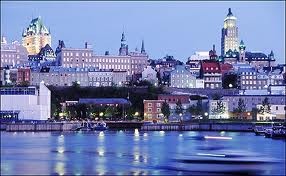
They survived in Nova Scotia but they soon decided that their settlement was too far from the centre of fur trade and they chose to establish a new settlement along the St. Lawrence river. Some people decided to go back to Nova Scotia and they are the ancestors of the French-speaking Acadian peole today. Samuel de Champlain established to first settlement along the St. Lawrence river because of that he is known as the "Father of New France". The settlement had a good harbour and it was called Quebec. Most of the settlers died during the first winter. Samuel de Champlain realised that the colony needed more settlers to keep it alive. Unfortunately there were only 65 settlers in Quebec by 1627. By 1663 the population of New France was still quite small. Louis XIV decided to make New France a royal colony governed by the King. It ensured that more settlers would come to colony and it encouraged farming and industry. By 1700 New France was still not as great colony as Louis XIV wanted
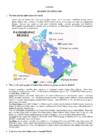
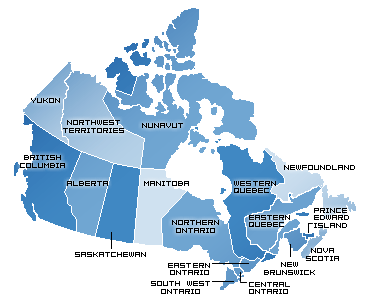
Government that reports to the Parlament. The Prime Minister is the leader of the party that holds a majority in the Parlament. Every Province has it's own Parlament and Government. The monarchy is represented by the leutenantgovernor. The Frenchspeaking province of Canada (Quebec) is very different culturally. Since the 1960s there has been a strong movement to became an independent country (separatist movement). 80 % of Canada's French speaking people lives in Quebec. Canada has ten provinces and two territories (the capital of each is shown in parentheses): Alberta (Edmonton), British Columbia (Victoria), Prince Edwars Island (Charlottetown), Manitoba (Winnipeg), New Brunswick (Fredericton), Nova Scotia (Halifax), Nunavut (Iqaluit), Ontario (Toronto), Quebec (Quebec City), Saskatchewan (Regina), Newfoundland and Labrador (St. John's), Northwest Territories (Yellowknife) and Yukon Territory (Whitehorse)
concentrated on the eastern side of the Canadian Rockies. The Saint Elias Mountains in the Yukon hold some of country's highest mountains, including the highest, Mount Logan at 5,959 metres. The Appalachian mountain range extends from Alabama in the southern United States through the Gaspe Peninsula and the Atlantic provinces, creating rolling hills indented by river valleys. It also runs through parts of southern Quebec. The Appalachian mountains are an old range of mountains about 380 million years old. Notable mountains in the Appalachians include Mount JacquesCartier and Mount Carleton. Lakes Canada is known for having the most lakes in the world. There are about two million of them and they cover about 7.6% of its land. The southern parts of Quebec and Ontario, in the
 annaabi.ee















Kõik kommentaarid