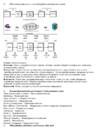
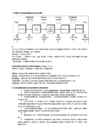
1961-1972: . 1961 ( ). . 1964 . ( ) 1967 ARPAnet ARPA, . . 1969 ARPAnet, . 1970 ALOHAnet . 1972 ARPAnet ARPAnet 15 . NCP(Network-Control Protocol ) e-mail 1972-1980: . 1974 , ( ) . 1976 Ethernet( ). Xerox PARC 1970 :DECnet(Digital Equipment Corporation network), SNA(Systems Network Architecture), XNA ( ATM) 1979 ARPAnet 200 . 1980-1990: , . : CSNET, BITNET, NSFNET, Minitel 100 . 1982 SMTP e-mail 1983 NCP TCP/IP ( TCP/IP ) DNS (Domain Name System)(name-to-IP-address translation) 1985 FTP 1988 TCP 1990-,2000-: , Web 1990 ARPAnet Web ( -) ( -), (1945) (1960-) HTML, HTTP, web- ( -). 1991 NSFNET 1994 Mosaic, Netscape. ( ) 1995 NSFNET 1990 2000- web- -: , , (2) ( , ) , Gbps 50 . , , 100 . . 2007-... 500 . 2 : BitTorrent( ), Skype(VoiceIP), PPLive() : , YouTube 12
kommunikeeruda ega ühenduda. Mis aga oli põhiline - erinevad võrgud olid üles ehitatud erinevalt ning ei suutnud omavahel kommunikeeruda ega ühenduda. Tollal oli see kahjuks paratamatu - vaevalt hakkas keegi, kelle ülesanne oli mõnikümmend arvuti võrgu abil kokku ühendada, mõtlema sellele, et tulevikus on võrku vaja lisada uusi arvuteid ning võib- olla liituda ka teiste taoliste võrkudega. Nii tekkisid tänini pruugitavad BITNET, Minitel, DecNet, ja FidoNet, aga ka ARPANet ehk praeguse Interneti eelkäija. Alles viimastel aastatel on Internet hakanud ülejäänud võrke tasapisi välja suretama või endaga liitma. Teise suure tõuke arvutivõrkude arengule andis personaalarvutite teke ja plahvatuslik levik 80tel aastatel. Kuna ühel suurarvutil oli reeglina palju kasutajaid, siis sai suurt hulka andmeid ja programme hoida selle arvuti ketastel, mis rahuldas ka enamikke tarbijaid.
The 80s was a period of rapid growth, much of that a direct result of several efforts to connect several universities. BITNET provided e-mail and file transfers between several universities while CSNET was formed to link uni researchers who had no access to ARPAnet. In 83 the official TCP/IP was deployed as the standard ARPAnet protocol, replacing NCP. DNS was also developed (a map between human-readable web adresses and IP adresses). In come the French who launched the Minitel project, a plan to bring data networking into everyone’s home. It consisted of a public packet-switched network, Minitel servers and inexpensive terminals with built-in modems (that were slow af). It proved to be tremendously successful, as the French government gave away a free Minitel terminal to each French household that desired one (people love free stuff). 1990s Coming soon - the commercialisation of the Internet. ARPAnet ceased to exist. In 91
in Hawaii // 1973: Metcalfe's PhD thesis proposes Ethernet // 1974: Cerf and Kahn architecture for interconnecting networks // late70's: proprietary architectures: DECnet, SNA, XNA 1980-1990: new protocols, a proliferation of networks: 1983: deployment of TCP/IP // 1982: SMTP e-mail protocol defined // 1983: DNS defined for name-to-IPaddress translation // 1985: FTP protocol defined // new national networks: Csnet, BITnet, NSFnet, Minitel // 100,000 hosts connected to confederation of networks. 1990, 2000's: commercialization, the Web, new apps: Early 1990's: ARPAnet decommissioned // early 1990s: Web hypertext [Bush 1945, Nelson1960's] // HTML, HTTP: Berners-Lee // 1994: Mosaic, later Netscape // late 1990's: commercialization of the Web // Late 1990's 2000's: more killer apps: instant messaging, peer2peer file sharing (e.g.,Napster), network security to forefront, est. 50 million host, 100 million+ users //
satellite network in Hawaii // 1973: Metcalfe’s PhD thesis proposes Ethernet // 1974: Cerf and Kahn – architecture for interconnecting networks // late70’s: proprietary architectures: DECnet, SNA, XNA 1980-1990: new protocols, a proliferation of networks: 1983: deployment of TCP/IP // 1982: SMTP e-mail protocol defined // 1983: DNS defined for name-to- IPaddress translation // 1985: FTP protocol defined // new national networks: Csnet, BITnet, NSFnet, Minitel // 100,000 hosts connected to confederation of networks. 1990, 2000’s: commercialization, the Web, new apps: Early 1990’s: ARPAnet decommissioned // early 1990s: Web hypertext [Bush 1945, Nelson1960’s] // HTML, HTTP: Berners-Lee // 1994: Mosaic, later Netscape // late 1990’s: commercialization of the Web // Late 1990’s – 2000’s: more killer apps: instant messaging, peer2peer file sharing (e.g.,Napster), network security to forefront, est
1974 Vint Cerf ja Robert E. Kahn töötavad välja arhitektuuri võrkude ühendamiseks (teisisõnu interneti arhitektuur) 1976 Etherneti loomine Xerox PARCis (uurimis- ja arendusfirma IT valdkonnas) 70-ndate lõpp luuakse arhitektuurid nagu DECnet, SNA, XNA 1979 ARPAnetis on 200 võrgusõlme 1982 SMTP 1983 TCP/IP 1983 DNS 1985 FTP 1988 Voo kontroll TCPs 1980-1990 100 000 hosti, luuakse võrgud nagu Csnet, BITnet, NSFnet, Minitel 90-ndate algus HTML, HTTP, URL, brauseritest Mosaic ja Netscape. 90-ndate lõpp P2P, uued ja võimsad rakendused internetimaailmas, interneti turvalisus seatakse esimeseks, 50 miljonit hosti 2007 500 miljonit hosti, videokõned jms, P2P rakendused: BitTorrent (File sharing), Skype (VoIP), rakendused nagu YouTube jms, traadita ühenduse kiire areng 12. Mida erinevad rakendused nõuavad võrkudelt Laias laastus nõuavad rakendused võrkudelt kolme:
Ta oli algselt Ethernetist isegi veidi kiirem. 1979 ARPAnetis jõuti 200 võrgusõlmeni 1982 SMTP e-maili edastusprotokoll 1983 TCP/IP hakkas tekkima; DNS nimeteenuse tekkimine 1985 FTP (failiedastusprotokoll) 1988 Voo kontroll TCP-s, võrk hakkas muutuma ülekoormatuks ja tuli hakata probleemi lahendama 1980-1990 ARPAneti võis avalikult kasutama hakata, 100 000 kasutajat, luuakse võrgud nagu Csnet, BITnet, NSFnet, Minitel 90-ndate algus HTML, HTTP, URL, brauseritest luuakse Mosaic ja Netscape. 90-ndate lõpp P2P, uued ja võimsad rakendused interneti maailmas; mängud; interneti turvalisusele pööratakse rohkem tähelepanu; 50 miljonit kasutajat 2007 500 miljonit kasutajat, videokõned, mängud, P2P rakendused: BitTorrent (File sharing), Skype (VoIP), rakendused nagu YouTube; traadita ühenduse kiire areng. 12. Mida erinevad rakendused nõuavad võrkudelt
 annaabi.ee