 10 punkti
Autor soovib selle materjali allalaadimise eest saada 10 punkti.
10 punkti
Autor soovib selle materjali allalaadimise eest saada 10 punkti.
 ~ 6 lehte
Lehekülgede arv dokumendis
~ 6 lehte
Lehekülgede arv dokumendis
 2011-03-27
Kuupäev, millal dokument üles laeti
2011-03-27
Kuupäev, millal dokument üles laeti
 6 laadimist
Kokku alla laetud
6 laadimist
Kokku alla laetud
 0 arvamust
Teiste kasutajate poolt lisatud kommentaarid
0 arvamust
Teiste kasutajate poolt lisatud kommentaarid
 Karl-Johannes Kalma
Õppematerjali autor
Karl-Johannes Kalma
Õppematerjali autor
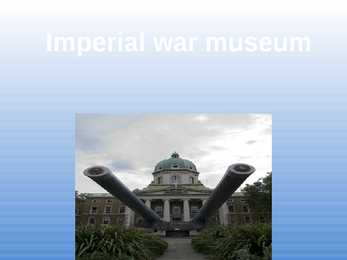
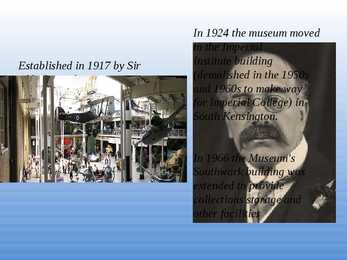
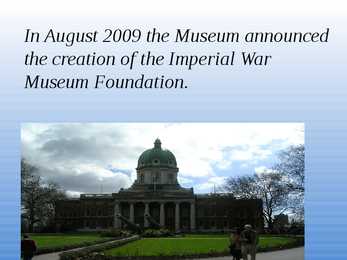
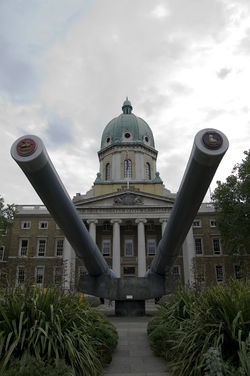
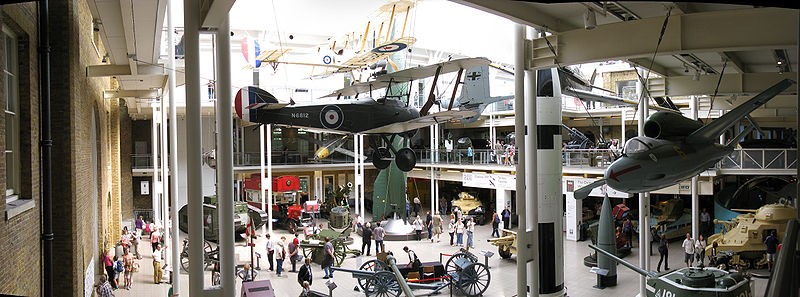
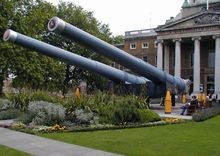
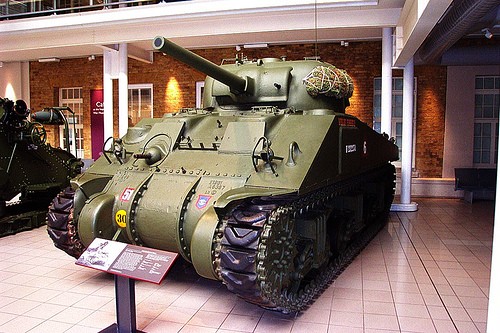
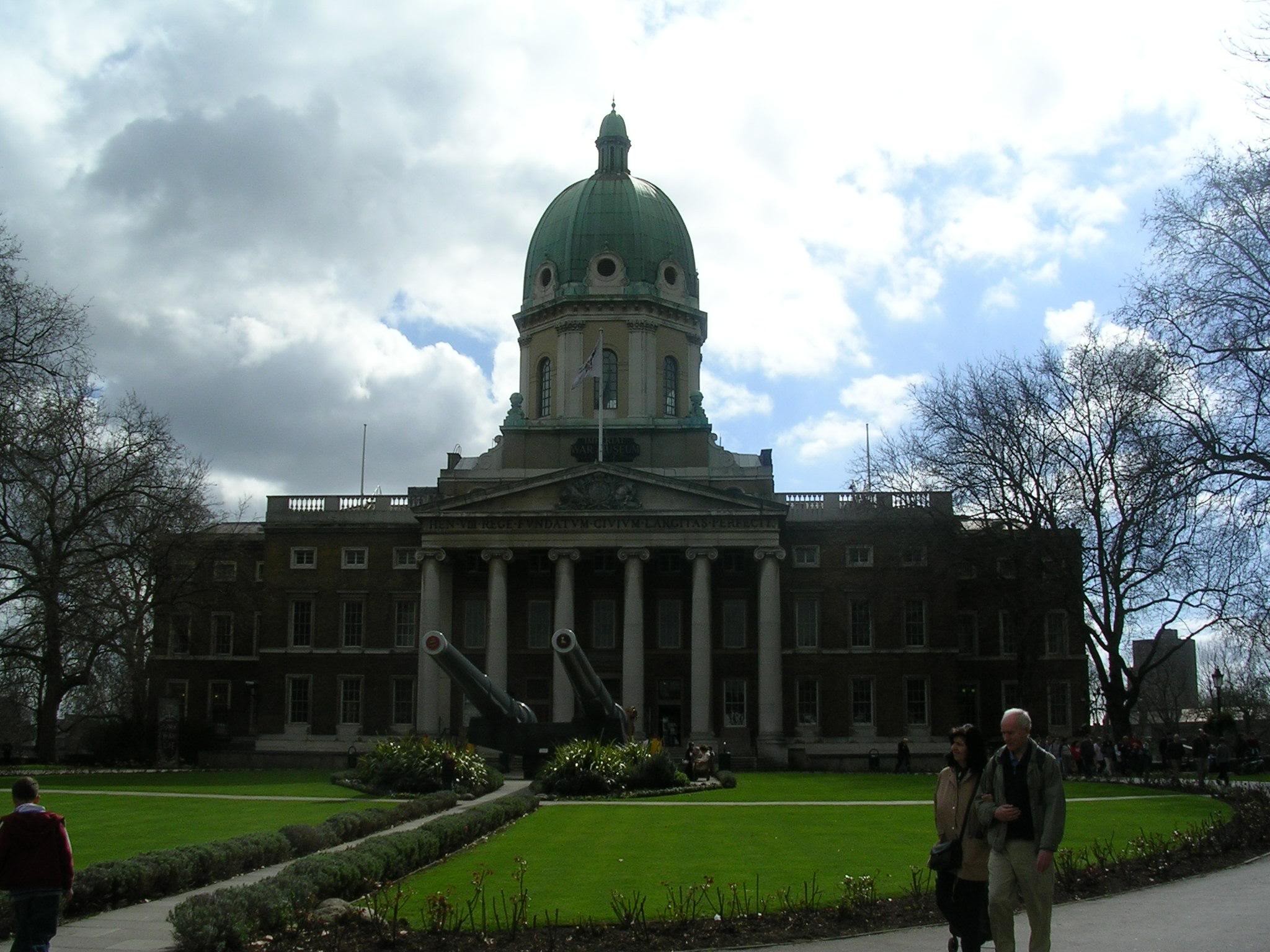
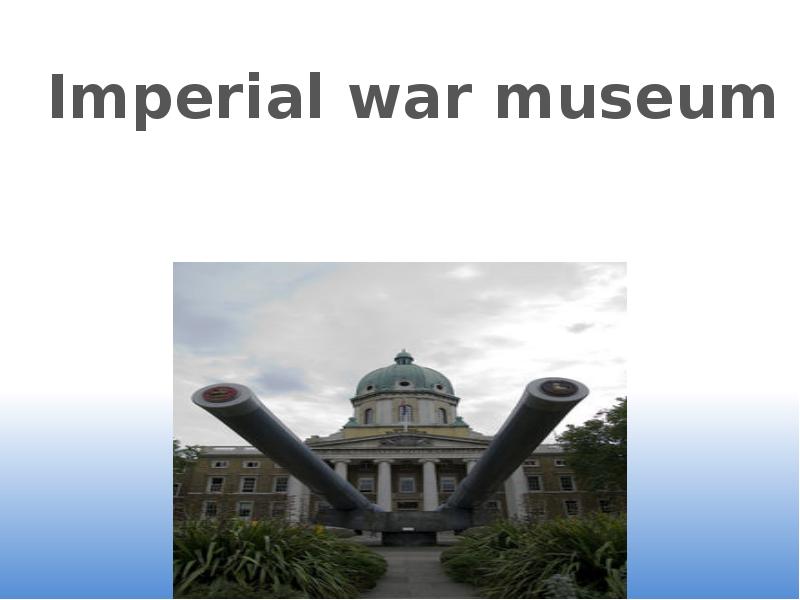
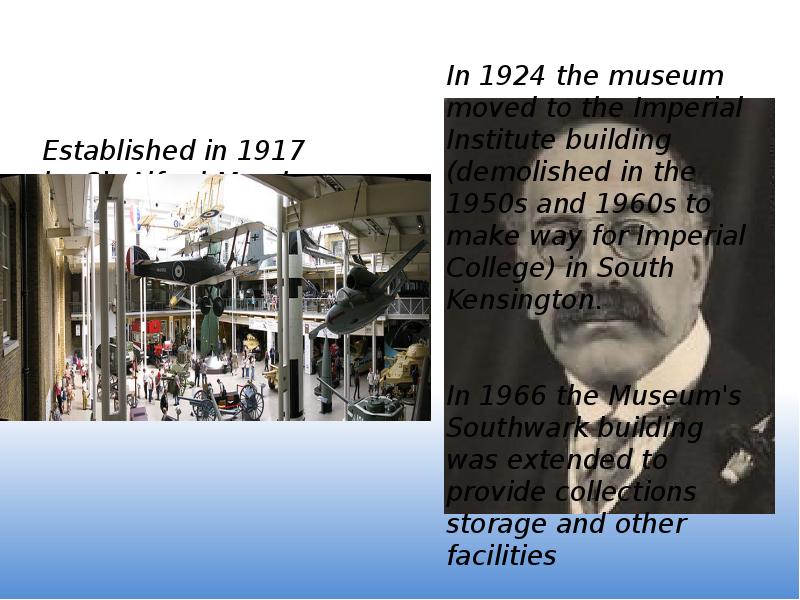
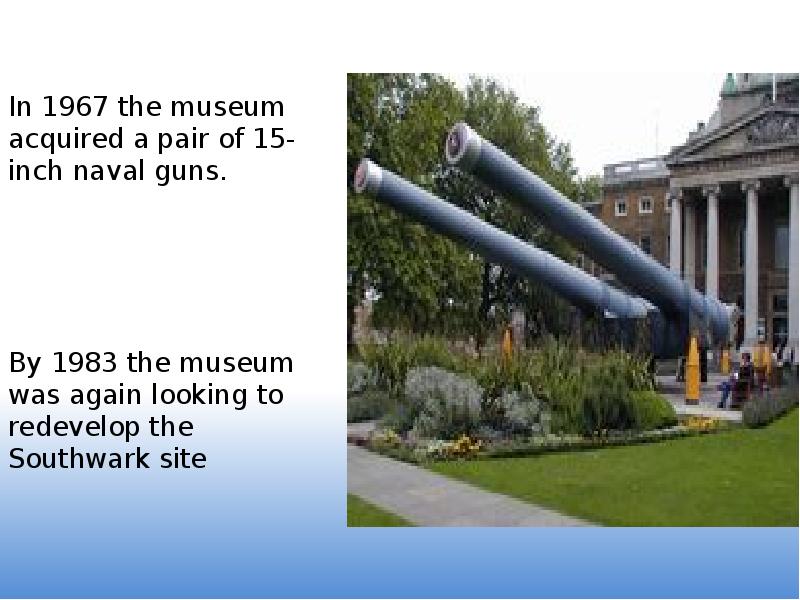
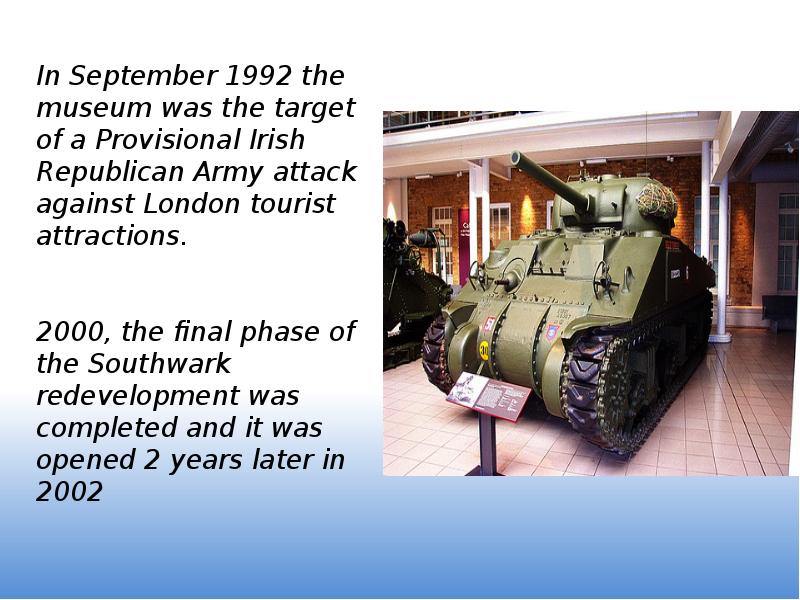
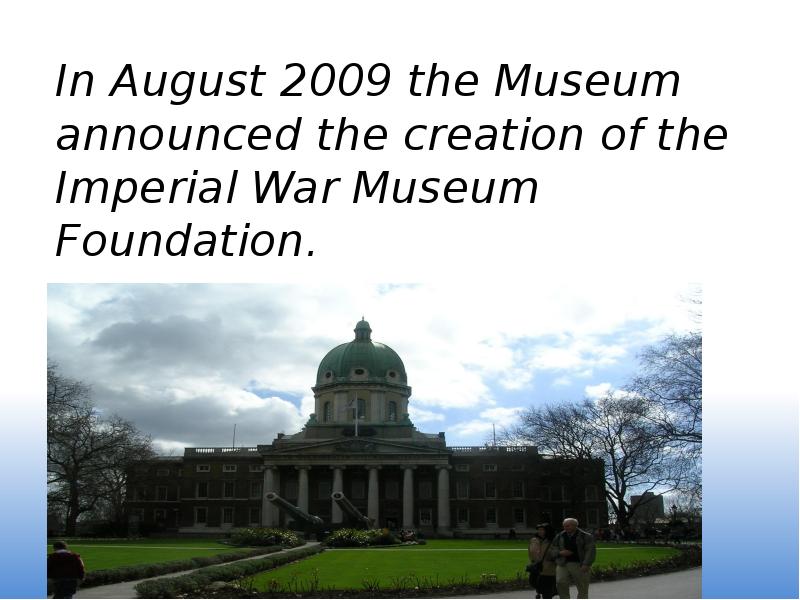
Imperial War Museum Aire Albri Imperial War Museum in London. · Imperial War Museum is a British national museum organisation with branches at five locations in England, three of which are in London. · The museum was founded during the First World War in 1917 and intended as a record of the war effort and sacrifice of Britain and her Empire. · Today the museum gives its mission as "to enable people to have an informed understanding of modern war and its impact on individuals and society" · Originally housed in the Crystal Palace at Sydenham Hill, the museum opened to the public in 1920. · In 1924 the museum moved to space in the Imperial Institute in South Kensington, and finally in 1936 the museum acquired a permanent home which was previously the Bethlem Royal Hospital in Southwark.
There are 24 bridges over the River Thames in London. Kew Bridge to Tower Bridge. London Bridge This bridge connects the City of London and Southwark. The Romans built it about 2000 years ago. At first Queen Boudicca destroyed it and after it was rebuilt the Danes pulled it down. The Normans built it again. This bridge is special because there are houses on it and it was the only bridge until 18th century. Tower Bridge It is a suspension bridge. In one of the towers there is the museum. Those towers are tied together. This construction started in 1886. This bridge opens nowadays 2-3 times in a week. It is located next to the tower of London. The Millennium Bridge It is the pedestrian only bridge. This bridge has been used in many fantasy films because of its interesting shape. The Millennium Bridge was built to commemorate the new millennium. It was opened June 2000. It is 370m long and 4m wide. Blackfriars Bridge It is a bridge for road and traffic
Art Museum of Estonia Art Museum of Estonia was founded on November 17th, 1919, but it was not until 1921 that it got its first permanent building the Kadriorg Palace, built in the 18th century. In 1929 the palace was expropriated from the Art Museum in order to rebuild it as the residence of the President of Estonia. The Art Museum of Estonia was housed in several different temporary spaces, until it moved back to the palace in 1946. In September, 1991 the Kadriorg Palace was closed, because it had totally deteriorated by then. At the end of the year the Supreme Council of the Republic of Estonia decided to guarantee the construction of a new building for the Art Museum of Estonia in Kadriorg. Untill then the Knighthood House at Toompea Hill served as the temporary main building of the Art Museum of Estonia
other occasions have graced this spiritual centre. Built of Portland stone with a Dome that rises to 365 feet and with Great Paul, the largest bell in England, this has to be one of biggest sight sees in London. Globe Theatre the theatre, which is known for an absent roof, stands on the north-western coast of the Thames river. The Globe uses only natural light and the minimum of scenery. 7. Museums British Museum a museum dedicated to human history and culture. It has a collection of more than 13 million artifacts, which are amongst the largest and most comprehensive in the world and originate from all over the world. Established in 1753 and opened to the public six years later. Notable artifacts include: the Rosetta Stone, Elgin Marbles, a statue from Easter Island, and numerous death masks from the pharaohs of Egypt. Cutty Sark the Cutty Sark is a clipper ship, built in the 19 th century
The Romans. They burnt Londinium to the ground but Roman armies eventually defeated Boudicca. The city was rebuilt and was gradually surrounded with a wall of stone and brick which lasted for many centuries. During the archeological excavations in 1954 the Roman Temple of Mithras was revealed. It was a pagan temple dedicated to the Persian Sun-god. The Temple was later reconstructed only a short way from its original site and the relics are displayed in the Museum of London in the Barbican. At the end of the fourth century AD the Roman Empire began to crumble and the Roman armies were recalled from Britain to defend Rome itself. Once they had left Anglo-Saxons invaded and settled in Britain. They were farming people who preffered to live outside towns. For a while London probably lay in ruins, but it eventually developed again, partly because of its position on the river was good for trading. The Tower of London
medieval royal Palace of Westminster. It was built in approximately 1365 to house the treasures of Edward III and its alternative name was the "King's Privy Wardrobe". It displays a fascinating exhibition about the history of Parliament `Parliament Past and Present', and the second floor includes panels telling the story of this small but important building. · Madam Tussauds is a wax museum in London with branches in a number of major cities. It was founded by wax sculptor Marie Tussaud and was formerly known as "Madame Tussaud's". It displays waxworks of historical and royal figures, film stars, sports stars and famous murderers.
.............................3 2. History.........................................................................................................4 3. Early History...............................................................................................4 4. The Post-War Years....................................................................................5 5. Recent History.............................................................................................6 6. Estonian Maritime Museum and the Seaplane Harbour.............................6 7. Comments on the Seaplane Hangars...........................................................7 8. Restoration..................................................................................................7 9. Interesting Facts..........................................................................................8 10. Summary...................................................................................................9 11
A century later the name was changed to Yekaterinenthal after Yekaterina, wife of Peter I. Kadriorg Palace was designed in Baroque style by the Italian Niccoló Michetti and built in the 1720s on the order of Peter the Great in honour of his wife. The tsar himself is known to have laid three bricks in the foundation of the building. The palace was also planned to serve as a summer house for the tsar's family. For a long period, Kadriorg Palace housed the Art Museum of Estonia, but after thorough repairs over quite a few years it was finally opened as the Museum of Foreign Art in the summer of 2000. There is also a Baroque-style garden behind the palace. The Swan Pond and the area round the palace are the oldest parts of the park. The President's Residence does not lie far from Kadriorg Palace. The house was designed as an administrative building by Alar Kotli in the 1930s.
 annaabi.ee












Kõik kommentaarid