 50 punkti
Autor soovib selle materjali allalaadimise eest saada 50 punkti.
50 punkti
Autor soovib selle materjali allalaadimise eest saada 50 punkti.
 ~ 9 lehte
Lehekülgede arv dokumendis
~ 9 lehte
Lehekülgede arv dokumendis
 2010-04-24
Kuupäev, millal dokument üles laeti
2010-04-24
Kuupäev, millal dokument üles laeti
 10 laadimist
Kokku alla laetud
10 laadimist
Kokku alla laetud
 0 arvamust
Teiste kasutajate poolt lisatud kommentaarid
0 arvamust
Teiste kasutajate poolt lisatud kommentaarid
 geomees
Õppematerjali autor
geomees
Õppematerjali autor
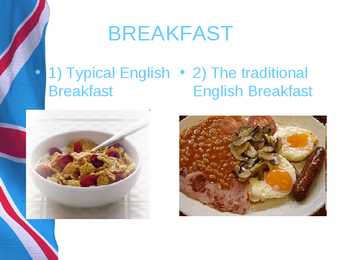
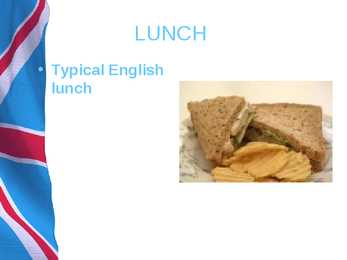
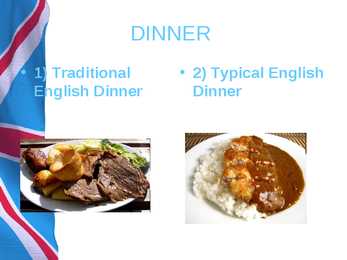
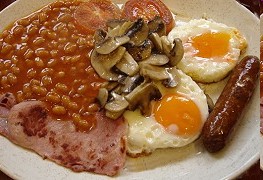
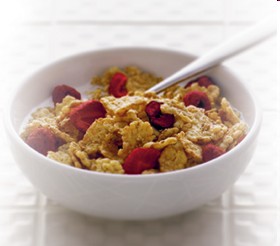
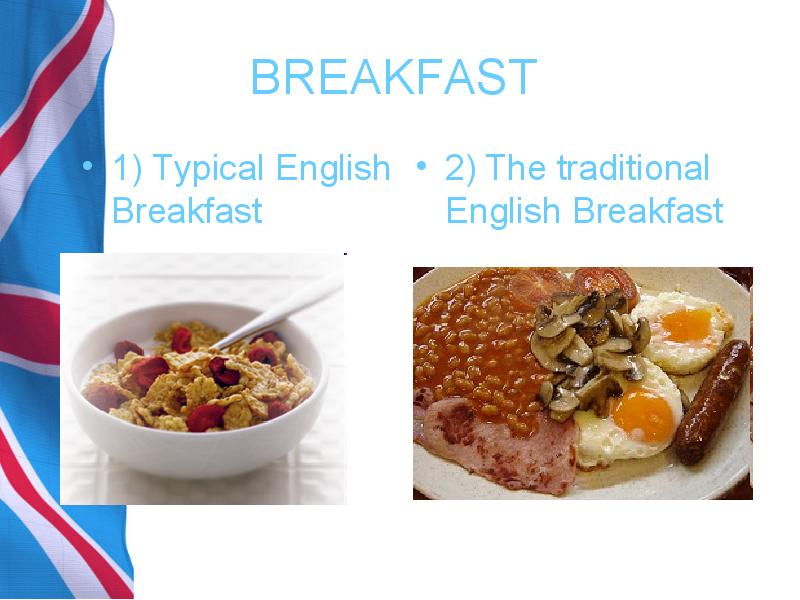
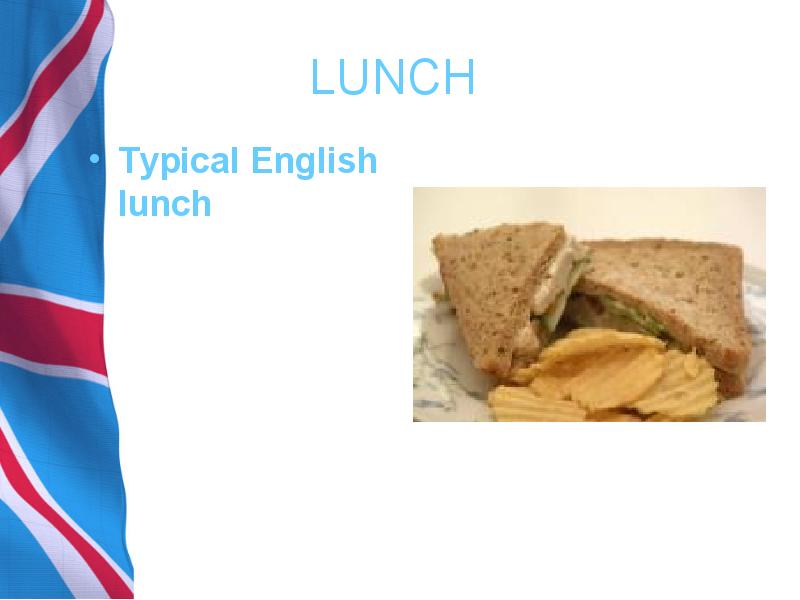
Meals and Cooking When we cook, we boil, roast, fry or stew our food. We boil eggs, meat, chicken, fish, milk, water and vegetables. We fry eggs, fish and vegetables. We stew fish, meat, vegetables or fruit. We roast meat or chicken. We put salt, sugar, pepper, vinegar and mustard into our food to make it salted, sweet, sour or simply tasty. Our food may taste good or bad or it may be tasteless. The usual meals in England are breakfast, lunch, tea and dinner or, in simpler houses, breakfast, dinner, tea and supper. For breakfast English people mostly have porridge or cornflakes with milk or cream and sugar, bacon and eggs, marmalade with buttered toast and tea or coffee. For a change they can have a boiled egg, cold ham, or fish. English people generally have lunch about one o'clock
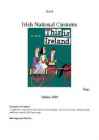
The traditional cooked breakfast consists of any or all of the following: bacon, sausages, grilled or fried tomatoes, mushrooms, eggs, white and black pudding (a form of blood sausage) and toast or bread fried in fat or oil. Fewer people now eat such a morning meal, however, preferring a lighter breakfast. In recent years, the Irish, particularly those in urban areas, have become much more adventurous in their diet, and now eat a wide variety of European and ethnic food. Pubs (public houses) and cafés serve both snacks and full meals. The Irish generally eat three meals a day. The midday meal is usually referred to as lunch and the evening meal as dinner or, when it is less formal, as supper. But some rural people call the midday meal dinner and the early-evening meal tea. Many people, particularly in Dublin, no longer eat more than a light meal or snack in the middle of the day. Those who have an early-evening meal sometimes have another snack--
Traditional Estonian food has its roots firmly in the countryside, relying heavily on pork, potatoes and garden variety vegetables. The main culinary influences were from Germans, who ruled over Estonia for so many centuries. The eating habits of the Estonian population are related to the season, which severely affect the availability of fresh food. The spring and summer are the seasons of fresh food, in this period are used vegetables, berries and herbs, with the warmer climate the Estonians also like to cook meat grilled outdoors. During the winter are used mushrooms, jams, and preserved foods. Among the typical Estonian dishes are: Baltic fish in acid sauce, pork with sauerkraut and boiled potatoes, blood sausage and barley, marinade anguilla, boiled pork in jelly, tongue, smoked fish and a kind of dry cake-like barley bread
COLOSSEUM The Colosseum or Coliseum, also known as the Flavian Amphitheatre is an elliptical amphitheatre in the centre of the city of Rome, Italy This ise the largest amphitheater in the world MEAL STRUCTURE Italy has its own meal structure, which in essence is the typical European one, consisting of breakfast, lunch and dinner (there is also a mid-afternoon snack called merenda). Italians also divide a main celebration meal into several different courses. MAIN FOOD Porchetta, a traditional Italian street food, is a moist and fatty fresh ham covered with skin that's heavily seasoned with salty garlic, rosemary, fennel and lemon. Pizza is an oven-baked, flat, round bread typically topped with a tomato sauce, cheese and various toppings. The modern pizza was invented in Naples, Italy. PIZZA Click to edit Master text styles Second level Third level
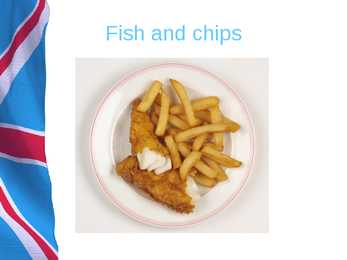
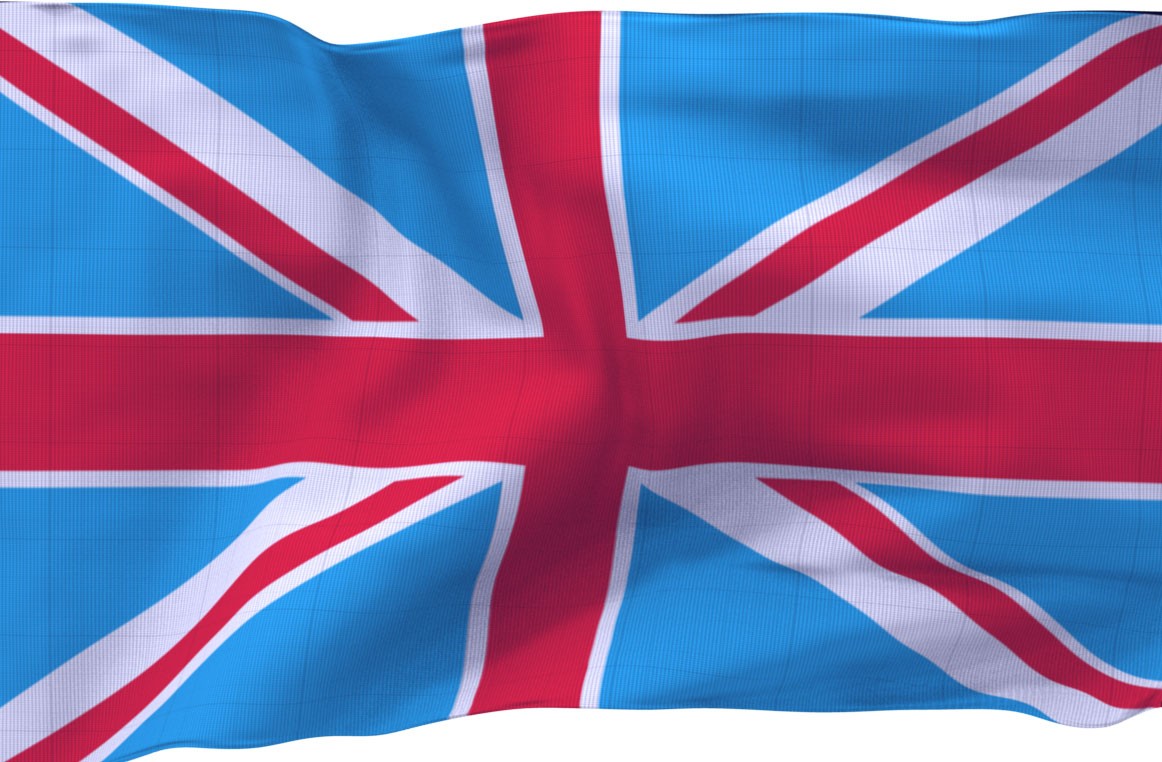
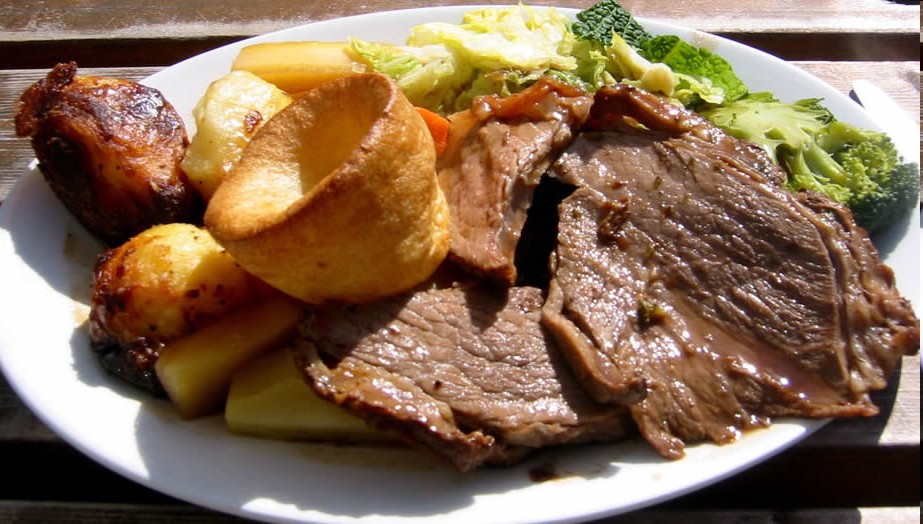
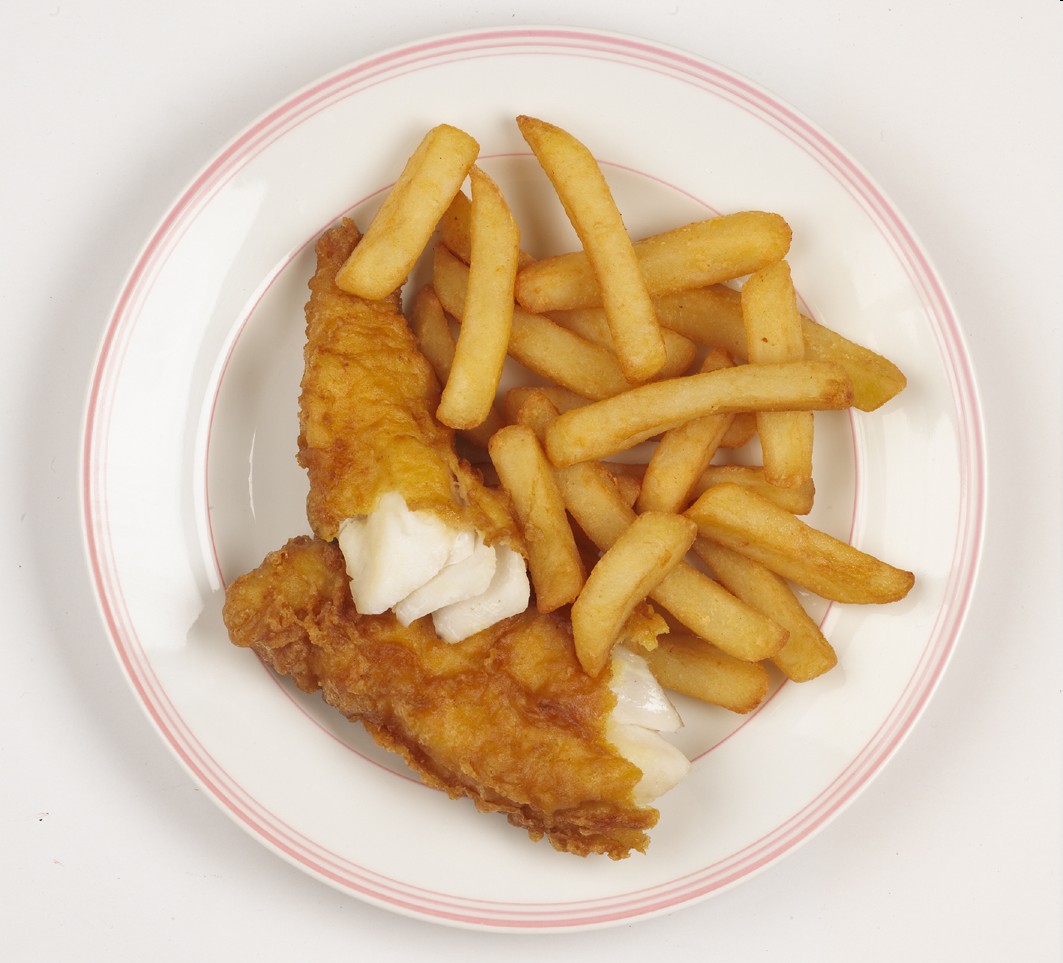
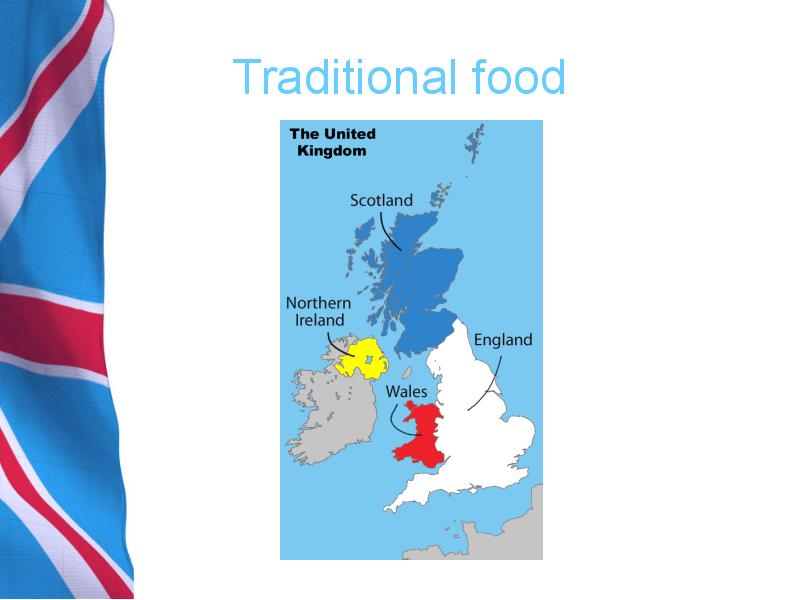
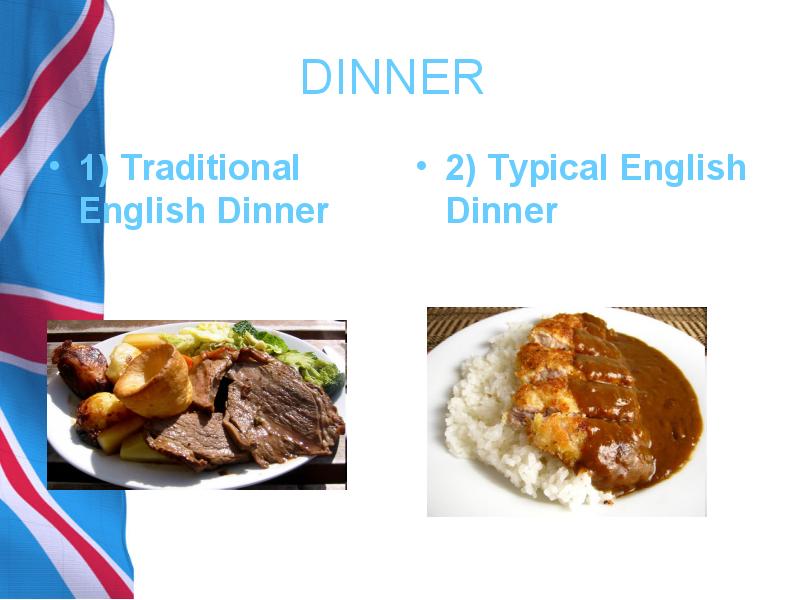
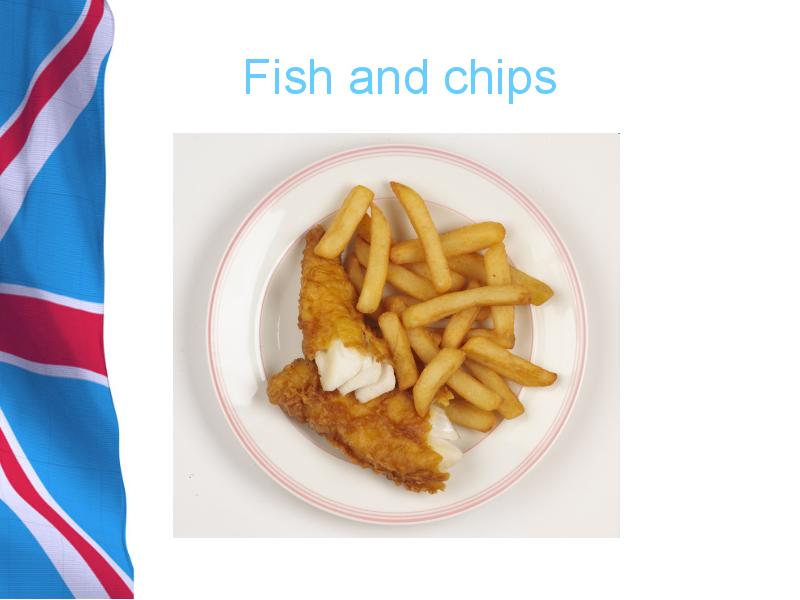
British Cuisine Some people criticize English food. They say it's unimaginable, boring, tasteless, it's chips with everything and totally overcooked vegetables. The basic ingredients, when fresh, are so full of flavour that British haven't had to invent sauces to disguise their natural taste. What can compare with fresh pees or new potatoes just boiled and served with butter? Why drown spring lamb in wine or cream and spices, when with just one or two herbs it is absolutely delicious? If you ask foreigners to name some typically English dishes, they will probably say "Fish and chips" then stop. It is disappointing, but true that, there is no tradition in England
SWEDISH FOOD 8 things to know about Sweden's food culture Koostas: Martin Aulik introduction It’s safe to say Sweden’s food culture is much more than iconic meatballs and chewy fish- shaped candy. Here are eight things you should know about food traditions essential to Sweden everyday dining. Lingonberry — Sweden’s favorite sauce Just like ketchup and mustard, lingonberry sauce is widely used to accompany a variety of dishes, from meatballs and pancakes to porridge and blood pudding. But despite its sweetness, it is rarely used on bread. Thanks to the Right of Public Access (Allemansrätten), which gives everyone the freedom to roam and enjoy nature, many Swedes grow up picking lingonberries in
Etiquette in england *meeting and greeting · The British are reserved, which may cause them to appear cool and indifferent or overly formal. In fact, they are very friendly and helpful to foreigners. · Shake hands with everyone present men, women, and children at business and social meetings. Shake hands again when leaving. · Use last names and appropriate titles until specifically invited by your British hosts or colleagues to use their first names. *body language · The English tend to keep about an 23 feet between them while speaking. · Touching is usually kept to a minimum. · Family members are more relaxed and familiar with each other, so touching of the arms, elbows, or hands is acceptable. However in a business environment, touching is very minimal and personal space is respected much more than in a family setting.
Hadrian’s Wall is an ancient wall which was built in 2nd century by Hadrian, the emperor of Rome from AD 117 to 138, and it marked the northern border of the Roman Empire in Britain. The wall was 80 Roman miles (117 kilometres) long and it is situated in northern Great Britain and stretched from Solway Firth in the west to the Tyne River near Newcastle in the east. It was built to keep the Caledonians of Scotland out of England. Windsor Castle, which is one of the official residents of British monarch, is located in the English country of Berkshire. It is the largest in habited castle in the world and the oldest in continuous occupation, since it dates back to the time of William the Conqueror. The castle’s area is approximately 484,000 square feet (44, 955 square metres). The castle has been garrison fortress, home, official palace and sometimes prison for most of the Kings and Queens of England/Great Britain. During the war, the castle has been heavily fortified but
 annaabi.ee









Kõik kommentaarid