more slowly. Hydration also plays a role as for determining the extent of hangovers. Initially, alcohol produces feelings of relaxation and cheerfulness, but as a result of further consumption blurred vision and coordination problems generally occure. As far as cell membranes are concerned they are highly permeable to alcohol, once alcohol is in the bloodstream it can diffuse into nearly every biological tissue of the body. Excessive drinking may lead to unconsciousness or alcohol poisoning. Death can also occur. Different concentrations of alcohol in the human body have different effects on the subject. Depending on the BAC (blood alcohol concentration) there are different states the consumer may end up: euphoria, lethargy , confusion, stupor, coma. Therefore it is important to have control over alcohol intake in order to avoid coma while the goal is euphoria. Allthough when taking a next beer, following mornings hangover seems to be the main
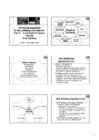
10...12% further increase in pulse rate, performance failure, increased absence (Erdmann and Apte, 2004) giddiness, poor judgement and blue lips. Mental failure, nausea, vomiting, fainting, • Serious health impacts: 8...10% – concentrations > 20,000 ppm cause deepened breathing; unconsciousness, blue lips, ashen face. – concentrations > 40,000 ppm increases respiration markedly; 8 minutes may be fatal in 50...100% of exposures, – concentrations > 100,000 ppm causes visual disturbances 6...8% and tremors and has been associated with loss of 4...5 minutes recovery with treatment.
ego and how they operate in the individual as well as in the collective. This is important for two related reasons: The first is that unless you know the basic mechanics behind the workings of the ego, you won’t recognize it, and it will trick you into identifying with it again and again. This means it takes you over, an impostor pretending to be you. The second reason is that the act of recognition itself is one of the ways in which awakening happens. When you recognize the unconsciousness in you, that which makes the recognition possible is the arising consciousness, is awakening. You cannot fight against the ego and win, just as you cannot fight against darkness. The light of consciousness is all that is necessary. You are that light. OUR INHERITED DYSFUNCTION If we look more deeply into humanity’s ancient religions and spiritual traditions, we will find that underneath the many surface differences there are two core insights that most of them agree on
development, this approach is not satisfactory. The road to knowledge can never be purely intellectual--it needs to have heart. Kitty would agree with this perspective. The mowing scene in these chapters is presented in great detail. Levin's intense relationship with the peasants and the countryside is fully shown. Levin admires the peasants for their skills, and we see him showing a great deal of heart along the way. "The longer Levin mowed, the oftener he felt the moments of unconsciousness in which it seemed that the scythe was mowing by itself, a body full of life and consciousness of its own, and as though by magic, without thinking of it, the work turned out regular and precise by itself. These were the most blissful moments." This scene captures what Levin wishes he could have said to Sergey during their arguments about the countryside. This scene, for Levin, is exactly what matters in life. While Sergey needs to describe things, Levin needs to experience them
tired to move, until the hot water began to run out. I stumbled out, wrapping myself securely in a towel, trying to hold the heat from the water in so the aching shivers wouldn't return. I dressed for bed swiftly and climbed under my quilt, curling into a ball, hugging myself to keep warm. A few small shudders trembled through me. My mind still swirled dizzily, full of images I couldn't understand, and some I fought to repress. Nothing seemed clear at first, but as I fell gradually closer to unconsciousness, a few certainties became evident. About three things I was absolutely positive. First, Edward was a vampire. Second, there was part of him -- and I didn't know how potent that part might be -- that thirsted for my blood. And third, I was unconditionally and irrevocably in love with him. 10. INTERROGATIONS It was very hard, in the morning, to argue with the part of me that was sure last night was a dream. Logic wasn't on my side, or common sense
" He lifted his head, looking at me in the faint light of the moon. Kneeing my legs open, he pushed the first bare inch inside me. He was scorching hot and silky soft. "Eva," he breathed, clutching me tightly to him. "I've never...Christ, you feel so good. I'm so glad you're here." I tugged his lips down to mine and kissed him. "Me, too." I woke the way I'd fallen asleep, with Gideon on top of me and inside me. His gaze was heavy-lidded with desire as I rose from unconsciousness into heated pleasure. His hair hung around his shoulders and face, looking even sexier for being sleep-tousled. But best of all, there were no shadows in his gorgeous eyes, nothing lingering from the pain that haunted his dreams. "I hope you don't mind," he murmured with a wicked grin, sliding in and out. "You're warm and soft. I can't help but want you." I stretched my arms over my head and arched my back, pressing my breasts into his chest.
in one lump at night. This is how polyphasic sleep works. There are actually six good methods to choose from. The rst one, monophasic sleep, is the way you've probably slept your whole life. The five others are quite a bit more interesting. With monophasic sleep, you sleep for eight hours and you get about two hours of good REM sleep. This is the normal schedule most people use, and it means about ve hours of the night are lost to (as far as we know) unnecessary unconsciousness. There are ve methods for polyphasic sleep that all focus on many 20-minute naps throughout the day and, in some cases, a couple hours of core sleep at night. The simplest is the "Siesta" method, which includes just one nap in the day and then a huge chunk of sleep at night. Remarkably, adding just one nap during the day shaves an hour and 40 minutes o your total sleep requirement. The "Everyman" method is just a stepped ladder that o ers di erent combinations of naps and core sleep
 annaabi.ee