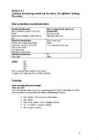
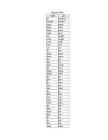
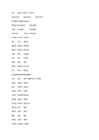
Leidsid 33 sarnast õppematerjali, mis on seotud failiga "Tegusõnad, täisminevik ja eessõnad.". Need materjalid aitavad sul teemat sügavamalt mõista.
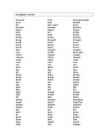
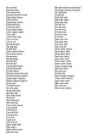
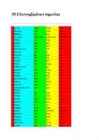
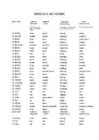
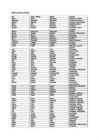
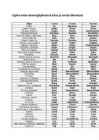
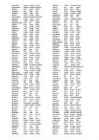
night, built, hear, cost, mean, upset, sent, morning, noon, tegusõnad, broke, brought, bought, caught, come, draw, drive, found, held, left, lost, panema, seen, slept, know, laid, struck, evening, afternoon, february, winter, them, never, minevik, ebareeglipärased, tavalised, broken, katki, tooma, catch, came, tulema, kaevama, done, drew, drawnIrregular verbs Present Past Past participle beat beat beaten be was, were been become became become begin began begun bite bit bitten blow blew blown break broke broken bring brought brought build built built burn burnt burnt burst burst burst buy bought bought can could been able catch caught caught choose chose chosen come came come cost cost cost cut cut cut deal dealt dealt dig dug dug do did done draw drew drawn
Begin began begun make made made Bite bit bitten mean meant meant Blow blew blown meet met met Break broke broken pay paid paid Brong brought brought put put put Build built built read read read Burn burnt (Inf+ed) burnt (Inf+ed) ride rode ridden Burst burst burst ring rang rung Buy bought bought rise rose risen Can could (been able to) run ran run Catch caught caught say said said
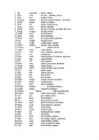
1. Be was/were been olema 2. Bear bore born(e) kandma, taluma 3. Beat beat beaten- lööma 4. Become became become- saama kellekski , millekski 5. Begin began begun- alustama 6. Bite bit bitten- hammustama 7. Blow blew blown- puhuma 8. Break broke broken-murduma, murdma, lõhkuma 9. Bring brought brought-tooma 10. Build built built-ehitama 11. Burn burnt burnt-põletama 12. Burst burst burst-purskama, puhkema 13. Buy bought bought-ostma 14. Can could could-võima, suutma 15. Catch caught caught- kinni püüdma 16. Choose chose chosen-valima 17. Come came come-tulema 18. Cost cost cost- maksma, väärt olema 19. Cut cut cut-lõikama 20
bleed bled bled veritsema blow blew blown puhuma break broke broken lõhkuma breed bred bred Tekkima, tekitama bring brought brought Tooma Eetrisse andma, broadcast broadcast broadcast esinema build built built ehitama burn burned/burnt burned/burnt Põletama, põlema burst burst burst Lõhkema, tõusma buy bought bought Ostma Heitma, viskama, cast cast cast valama catch caught caught Püüdma choose chose chosen Valima
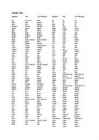
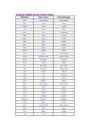
Be was been Misunderstand misunderstood 2 Bear bore born Oversleep overslept overslept Beat beat beaten Pay paid paid Become became become Put put put Begin began begun Read read read Bite bit bitten Ride rode ridden Break broke broken Ring rang rung Build built built Run ran run Burst burst burst Say said said Buy bought bought See saw seen Catch caught caught Sell sold sold Can could Send sent sent Come came come Set set set Cost cost cost Shoot shot shot Cut cut cut Sing sang sung Deal dealt dealt Sink sank sunk Dig dug dug Slide slid slid Do did done Speak spoke spoken
bleed bled bled blend blended blended bless blessed, blest blessed, blest blow blew blown break broke broken breed bred bred bring brought brought broadcast broadcast broadcast build built built burn burnt, burned burnt, burned burst burst burst buy bought bought cast cast cast catch caught caught choose chose chosen cleave clove, cleft cloven, cleft cling clung clung clothe clothed clothed
Be,was,been-olema Bear,bore,born(e)-taluma Beat,beat,beaten-tukslema Become,became,become-saama Begin,began,begun-algama Bite,bit,bitten-hammustama Blow,blew,blown-puhuma Break,broke,broken-lõhkuma Build,built,built-ehitama Burn,burnt(burned),-II- -põlema Burst,burst,burst-lõhkema Buy,bought,bought-ostma Can,could,(been able to)-oskama Catch,caught,caught-püüdma Choose,chose,chosen-valima Come,came,come-tulema Cost,cost,cost-maksma Cut,cut,cut-lõikama Deal,dealt,dealt-nr. valima Dig,dug,dug-kaevama Do,did,done-tegema Dream,dreamt(dreamed),-II- -unistama Drink,drank,drunk-jooma Eat,ate,eaten-sööma Fall,fell,fallen-kukkuma Feed,fed,fed-toitma Feel,felt,felt-tundma Fight,fought,fought-kaklema Find,found,found-leidma Flee,fled,fled-põgenema Fly,flew,flown-lendama Forbid,forbade,forbidden-keelama Forget,forgot,forgotten-unustama Forgive,forgave,forgiven-andestama Freeze,froze,frozen-külmuma Get,got,got-saama Give,gave,given-andma Go,went,gone-minema Grow,grew,grown-kasvama Hang,hu
27. bring brought brought tooma 28. broadcast broadcast broadcast (raadio või televisiooni teel) saatma või levitama, eetrisse andma; 29. browbeat browbeat browbeaten (kurja pilgu või kärkimisega) heidutama, hirmutama, araks tegema 30. build built built ehitama 31. burn burnt (burned) burnt (burned) põlema 32. burst burst burst purskama (nutma/naerma), plahvatama, lõhkema 33. bust bust (busted) bust (busted) purustama; ruineerima; vahi alla võtma, vahistama 34. buy bought bought ostma
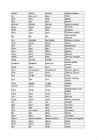
veritsema bleed bled bled hoidma hold held held puhuma blow blew blown vigastama hurt hurt hurt lõhkuma break broke broken hoidma keep kept kept tooma bring brought brought teadma know knew known ehitama build built built asetama lay laid laid plahvatama burst burst burst viima lead led led ostma buy bought bought lahkuma leave left left püüdma catch caught caught lubama let let let valima choose chose chosen lamama lie lay lain
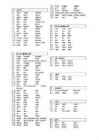
9 süütama light lit lit 10 kaevama dig dug dug 11 toitma feed fed fed 12 tundma feel felt felt 13 leidma find found found 14 midagi saama get got got 15 rippuma hang hung hung 16 hoidma keep kept kept 17 asetama lay laid laid 18 jätma/lahkuma leave left left 19 tegema make made made 20 kohtama meet met met maksma(raha välja pay paid paid 21 andma) 22 ütlema say said said 23 müüma sell sold sold 24 särama shine shone shone 25 tulistama shoot shot shot
TO BITE bite bit biting bitten TO BLEED bleed bled bleeding bled TO BLOW blow blew blowing blown TO BREAK break broke breaking broken TO BRING bring brought bringing brought TO BUILD build built building built TO BURN burn burned, burnt burning burned, burnt TO BURST burst burst bursting burst TO BUY buy bought buying bought TO CATCH catch caught catching caught
BECOME BECAME BECOME SAAMA (kellekski) BEGIN BEGAN BEGUN ALGAMA, ALUSTAMA BITE BIT BITTEN HAMMUSTAMA BLOW BLEW BLOWN PUHUMA BREAK BROKE BROKEN MURDMA, KATKI TEGEMA BRING BROUGHT BROUGHT TOOMA BURN BURNT BURNT PÕLEMA, PÕLETAMA BUILD BUILT BUILT EHITAMA BURST BURST BURST PUHKEMA BUY BOUGHT BOUGHT OSTMA CATCH CAUGHT CAUGHT KINNI PÜÜDMA CHOOSE CHOSE CHOSEN VALIMA COME CAME COME TULEMA COST COST COST MAKSMA, VÄÄRT OLEMA CUT CUT CUT LÕIKAMA DEAL DEALT DEALT KÄSITLEMA
Olema BE-WAS/WERE-BEEN kuulma HEAR/HEARD/HEARD Saama k/m BECOME-BECAME-BECOME peitma HIDE/HID/HIDDEN Alustama BEGIN/BEGAN/BEGUN lööma HIT/HIT/HIY Hammustama BITE/BIT/BITTEN hoidma HOLD/HELD/HELD Puhkama BLOW/BLEW/BLOWN haiget tegema HURT/HURT/HURT Katki BREAK/BROKE/BROKEN jätma KEEP/KEPT/KEPT Tooma BRING/BROUGHT/BROUGHT teadma KNOW/KNEW/KNOWN Ehitama BUILD/BULIT/BUILT juhtima LEAD/LED/LED Ostma BUY/BOUGHT/BOUGHT õppima LEARN/LEARNT/LEARNT Püüdma CATCH/CAUGHT/CAUGHT jätma LEAVE/LEFT/LEFT Valikud CHOOSE7CHOSE/CHOSEN välja laenutama LEND/LENT/LENT Tulema COME/CAME/COME laskma LET/LET/LET Maksma COST/COST/COST kaotama LOSE/LOST/LOST Lõikama CUT/CUT/CUT tegema MAKE/MADE/MADE Tegema DO/DID/DONE tähendama MEAN/MEANT/MEANT Joonistama DRAW/DREW/DRAWN kohtama MEET/MET/MET Jooma DRINK/DRANK/DRUNK maksma PAY/PAID/PAID Sõitma DRIVE/DROVE/DRIVEN panema PUT/PUT/PUT Sööma EAT/ATE/EATEN lugema READ/READ/READ Kukkuma FALL/FELL/FALLEN sõitma RIDE/RODE/RIDDEN Toitma FEED/FED/FED helisema RIN
Puhuma Blow Blew Blown Murdma, purustama Break Broke Broken Kasvatama/aretama Breed Bred Bred Tooma Bring Brought Brought Raadio/tv kaudu edastama Broadcast Broadcast/-ed Broadcast/-ed Ehitama Build Built Built Põlema, põletama Burn Burned/burnt Burned/burn Lõhkema Burst Burst Burst Ostma Buy Bought Bought Viskama, valama Cast Cast Cast Püüdma Catch Caught Caught Tõrelema Chide Chid/chided Chid/chided/chid
I vorm Bet I vorm Bite II vorm Bet II vorm Bit III vorm - Bet III vorm - Bitten Puhuma = Blow Lõhkuma, katki minema = Break I vorm Blow I vorm Break II vorm Blew II vorm Broke III vorm - Blown III vorm - Broken Tooma = Bring Ehitama = Build I vorm Bring I vorm Build II vorm Brought II vorm Built III vorm - Brought III vorm - Built Põlema, põletama = Burn Ostma = Buy I vorm Burn I vorm Buy II vorm Burnt II vorm Bought III vorm - Burnt III vorm - Bought Saama, võima, oskama = Can (Kinni) Püüdma = Catch I vorm Can I vorm Catch II vorm Could II vorm Caught III vorm - Puudub III vorm - Caught Valima = Choose Tulema = Come
alustama begin began begun näitama show showed shown andestama forgive forgave forgiven olema be was been andma give gave given omama have had had asetama lay laid laid ostma buy bought bought ehitama build built built otsima seek sought sought elama dwell dwelt dwelt painutama bend bent bent ennustama forecast forecast forecast paiskama cast cast cast haisema stink stank stunk paisutama swell swelled swollen haistma smell smelt smelt panema put put put hammustama bite bit bitten panema set set set
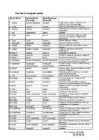
34 understand understoodunderstood 1.2 take took taken 2.35 wake woke, waked woken, waked 1.3 speak spoke spoken 2.36 win won won 1.4 ride rode ridden 1.5 hide hid hidden, hid 1.6 give gave given 1.7 forget forgot forgotten 3 111 (3 similar) 10 1.8 fall fell fallen 3.1 cost cost cost 1.9 eat ate eaten 3.2 cut cut cut 1.10 drive drove driven 3.3 hit hit hit 1.11 do did done 3.4 hurt hurt hurt 1.12 choose chose chosen 3.5 let let let 1.13 break broke broken 3.6 put put put 1.14 beat beat beaten, beat 3.7 read read read 1
begin began begun bend bent bent beset beset beset bet bet bet bid bid/bade bid/bidden bind bound bound bite bit bitten bleed bled bled blow blew blown break broke broken breed bred bred bring brought brought broadcast broadcast broadcast build built built burn burned/burnt burned/burnt burst burst burst buy bought bought cast cast cast catch caught caught choose chose chosen cling clung clung come came come cost cost cost creep crept crept cut cut cut deal dealt dealt dig dug dug dive dived/dove dived
5 STOW 13 SCHWUNG 6 KALEV 14 MAIASMOKK 7 YAMAHA 15 ISKU 8 ESTRAVEL 2 Affirmative tense Use Signal Words Negative/Questions · action in the present taking always, Present Simple A: He speaks. place once, never or several every ..., N: He does not speak. normally, often, Q: Does he speak? times seldom, · facts sometimes, · action set by a timetable or usually
Irregular Verbs simple past be was/were become became begin began blow blew break broke build built buy bought catch caught come came cost cost cut cut do did drink drank drive drove eat ate feel felt find found fly flew forget forgot freeze froze get got give gave go went have had hear heard hit hit hold held hurt hurt keep kept know knew lay laid lead led leave left lend lent let let lie lied lose lost make made meet met pay paid put put
Mulle meeldib tee. (tee - loendamatu sõna) Määrav artikkel - THE Rääkides kuulajale teadaolevatest asjadest või olenditest, kasutatakse nimisõna ees artiklit THE, mis tähendab `see' või `need': Give me the apple. Anna mulle see (ainus) õun (mis siin/seal on). Artiklit THE kasutatakse ka teatud väljendites, mis tuleb lihtsalt pähe õppida: go to the country maal käima, maale minema in the morning hommikul LISTEN & REPEAT REPEAT 61 Võrdle: Is there a hotel near here? Kas siin lähedal on hotelli? The hotel was very nice. See hotel (kus me peatusime) oli väga kena. This is a nice picture. See on (üks) ilus pilt. Can you show me the picture? Palun näita mulle seda pilti. I often listen to music
fly flew flown forget forgot forgotten get got got (gotten in USA) give gave given go went gone have had had hear heard heard keep kept kept know knew known leave left left lend lent lent let let let lose lost lost make made made meet met met pay paid paid put put put read read (pronounced /red/) read (pronounced /red/) run ran run say said said see saw seen sell sold sold send sent sent sing sang sung sit sat sat sleep slept slept speak spoke spoken stand stood stood swim swam swum take took taken teach taught taught tell told told think thought thought understand understood understood wear wore worn write wrote written
hands will receive five pounds. Mr. Bumble asks if he knows of anyone who needs a boy, and Mr. Sowerberry offers to take him. The board agrees upon the plan, and Mr. Bumble takes Oliver, weeping from loneliness, to the Sowerberry house. He meets both Mr. and Mrs. Sowerberry, the serving girl Charlotte. Mr. Sowerberry gives him a little meat, which he devours and takes him to his bed that is located under the coffin counter. Chapter 5: A pounding on the door the following morning woke Oliver from his sleep in the coffin room. The person outside was yelling and kicking the door to be let in. Oliver opened the door and was introduced to Noah Claypole who also worked for Mr. Sowerberry and who was a higher rank than Oliver was. He pointed this out to Oliver very quickly and was very mean to him. Noah and Oliver went down to get breakfast with Charlotte. Mr. and Mrs. Sowerberry during their own breakfast decide
was trying not to dwell too much on that fact. One of the best things about Charlie is he doesn't hover. He left me alone to unpack and get settled, a feat that would have been altogether impossible for my mother. It was nice to be alone, not to have to smile and look pleased; a relief to stare dejectedly out the window at the sheeting rain and let just a few tears escape. I wasn't in the mood to go on a real crying jag. I would save that for bedtime, when I would have to think about the coming morning. Forks High School had a frightening total of only three hundred and fifty-seven -- now fifty- eight -- students; there were more than seven hundred people in my junior class alone back home. All of the kids here had grown up together -- their grandparents had been toddlers together. I would be the new girl from the big city, a curiosity, a freak. Maybe, if I looked like a girl from Phoenix should, I could work this to my advantage. But physically, I'd never fit in anywhere
come true. You deserve it. And to Alistair and Jessica, from Seven Years to Sin , who inspired me to write Gideon and Eva's story. I'm so glad the inspiration struck twice! 1 "We should head to a bar and celebrate." I wasn't surprised by my roommate's emphatic pronouncement. Cary Taylor found excuses to celebrate, no matter how small and inconsequential. I'd always considered it part of his charm. "I'm sure drinking the night before starting a new job is a bad idea." "Come on, Eva." Cary sat on our new living room floor amid a half-dozen moving boxes and flashed his winning smile. We'd been unpacking for days, yet he still looked amazing. Leanly built, dark-haired, and green-eyed, Cary was a man who rarely looked anything less than absolutely gorgeous on any day of his life. I might have resented that if he hadn't been the dearest person on earth to me. "I'm not talking about a bender," he insisted
in brackets. _ 1 She is in a band and she _________________________________ (record) a CD at the moment. _ 2 She is an actress and often _________________________________ (appear) on television. _ 3 At the moment she _________________________________ (have) a rest because she is tired. _ 4 Mike is a doctor and he _________________________________ (live) in Manchester. _ 5 I _________________________________ (start) work at 8.30 every morning. _ 6 He is a good cook but she _________________________________ (prefer) to eat out. _ 7 English tests _________________________________ (get) more and more interesting. _ 8 They _________________________________ (have) a party because it's her birthday. _ 9 I sometimes _________________________________ (ride) my bicycle to school. 10_ She usually _________________________________ (go) to the gym on Friday evenings.
Fill in IN, ON, AT: 1. Dave was born in September. 2. He was born on the 16th of May 3. We agreed to meet at half past four. 4. On Christmas we all went to see our grandmother. 5. Jennifer came to England in 1992. 6. It started to snow on New Year's Day. 7. The First World War ended in 1918. 8. She arrived in spring. 9. We met on Sunday afternoon last week. 10. Do you drive at night? 11. It's Bruce's birthday next Wednesday. 12. Dick and Mary got married in 1993 on the 10th of July. 13. At midnight we heard footsteps. 14. In the morning we went to school as usual. 15. This castle was built in the 15th century. 16. My brother is taking his driving test at 2 o'clock on the 4th of October. 17. Mr Froster doesn't go to office on Saturdays. 18. We'll see Ken tomorrow evening. 19. It happened last week. 20. Can you come to see me on Friday morning?
Alice, Tom, James, Kim, Snow White 4Use a capital letter for the names of places: National Museum, Bronx Zoo, London, Sacramento 4Use a capital letter for festivals, holidays, days of the week, months of the year: New Year's Day, Christmas, Labor Day, Mother's Day, Sunday, Monday, Friday, January, May, July, October Exercise 1 Circle the letters that should be CAPITALS. Then write the correct letter in the space above them. 1 peter and i are good friends. we are going to chicago during our summer 2 vacation. 3 there is an interesting football game on sunday. 4 jason lives on thomson avenue. 5 january is the first month of the year. Exercise 2 Look at the signs on the left. Can you find the mistakes? Write the names correctly. hopkins hotel lincoln school orchard street newton road botanic gardens national library shea stadium
· When do we board the plane? Examples: · The party starts at 8 o'clock. · When does class begin tomorrow? · I play tennis. · She does not play tennis. USE 4 Now (Non-Continuous Verbs) · Does he play tennis? · The train leaves every morning at 8 AM. · The train does not leave at 9 AM. · When does the train usually leave? · She always forgets her purse. · He never forgets his wallet. Examples: · Every twelve months, the Earth circles the Sun. · I am here now. · Does the Sun circle the Earth? · She is not here now. · He needs help right now.
" 3) Tommy asked:"Is there anybody at home?" 4) I asked my friend:"Why do you come so late?" 5) Jane said:"Think before you answer!" 6. Use the correct Prepositions. ( 20 points ) 1) Jane started learning English two years........ 2) ........Monday Steve asked me to dine with him 3) Mary was born........the second of May........1964. 4) We worked........ ten hours without stopping. 5) They left........seven o`clock........the evening. 6) The castle was built........the 16th century. 7) I think Ronald is ill. He wasn`t........work today. 8) We had to go........foot. 9) Yesterday we met Bob........the street. 10) Phone me tomorrow morning! I`ll be........home. 11) Next summer I am going........Spain. 12) Susan has been living........this street........1998. 13) The little dog was sitting........the bed. 14) I told them that they really don`t know anything ........me. 15) Are you interested........literature?
The Project Gutenberg EBook of Pride and Prejudice, by Jane Austen This eBook is for the use of anyone anywhere at no cost and with almost no restrictions whatsoever. You may copy it, give it away or re-use it under the terms of the Project Gutenberg License included with this eBook or online at www.gutenberg.org Title: Pride and Prejudice Author: Jane Austen Release Date: August 26, 2008 [EBook #1342] [Last updated: August 11, 2011] Language: English Character set encoding: ASCII *** START OF THIS PROJECT GUTENBERG EBOOK PRIDE AND PREJUDICE *** Produced by Anonymous Volunteers, and David Widger
She hasn't got any money. (NOT She hasn't got some money.) I didn't see anybody. (NOT I didn't see somebody.) 48. Use interested for feelings; use interesting for the things that interest people. The same goes for bored/boring, excited/exciting etc. I'm interested in history. (NOT I'm interesting in history.) History is interesting. I'm bored in the maths lessons. (NOT I'm boring in the maths lessons.) I think maths is boring. 49. Use by, not until/till, to mean `not later than'. Can you mend this by Tuesday? (NOT Can you mend this until Tuesday?) I'll finish the book by tonight. (NOT I'll finish the book till tonight.) 50. Use like, not as, to give examples. I prefer warm countries, like Spain. (NOT I prefer warm countries, as Spain.) I eat a lot of meat, like beef or lamb. 51. Use whether, not if, after prepositions. We talked about whether it was ready. (NOT We talked about if it was ready.) It's a question of whether we have enough time
17.ehitustööstus- construction industry 18.säästva arengu strateegia- strategy on sustainable development 19.karmid saastenormid- stringent emission standards 20.ebavõrdsuse vähendamine ühiskonnas- reduce inequality in society 21.väljapaistva üleilmse väärtusega- outstanding value over the world 22.kultuuri- ja looduslik pärand- estate of culture and crude 23.tegevusprioriteete seadma- to set primary occupations 24.alternatiivkulu, loobumiskulu- opportunity cost 25.kuluefektiivsed energiasäästu meetmed- 26.taastuvenergia allikad- renewable energy sources 27.koosolekut protokollima- to take the minute 28.päevakava välja jagama- to hand out an agenda 29.koosolekut juhatama- run/chair a meeting 30.riigikaitse ja sotsiaalkindlustus- national defence and social insurance 31.kulutused korrakaitsele- security expenditure 32.tarbjakulutuste järk kasv- gradual growth of consumer costs 33
 annaabi.ee