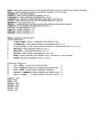
Cross rhyme rhyming combination: a b a b. Frame rhyme - rhyming combination: a b b a. Triple rhyme - rhyming combination: a a a. Monorhyme - rhyming combination: a a a a. Stanza is compositional pattern of the poem. Typically English stanzas: 1. The heroic couplet 2 iambic (x /) pentametres (5 feet), rhyming: aa bb cc. 2. The ballad stanza 4 lines of iambic tetrametres (4 feet) & trimetres (3 feet): a b c b. 3. The Spenserian stanza 9 lines: 8 iambic pentametres followed by 1 iambic hexametre (6 feet): a b a b b c b c c. 4. Ottava rima 8 iambic pentametres (5 feet): a b a b a b c c. 5. Rhyme Royal 7 iambic pentametres (5 feet): a b a b b c c. 6. Terza rima written in triplets iambic pentametres: aba bcb cdc. 7. Sonnet 14 iambic pentametres (5 feet), difference (Italian Shakespearean) is a matter of rhyme. 8
VIII (beginning of English reformation; killed "traitors"; 6 marriages); Mary I (Catholic); Elizabeth I (The Virgin Queen restores order; Religious Settlement; cautious measures in foreign affairs) Authors: Thomas Kyd's "The Spanish Tradegy" (revenge); Christopher Marlowe (moral dramas; blank verse); Ben Jonson (comedies; theory of humors, caricature and satire); Edmund Spenser's "Faerie Queen" (longest, most famous poem; Spenserian stanza) Late Renaissance (until 17th century) humanism a set of ethics about how people should live/act Prose: influence of reformation on liturgical material; King James Bible (translation) Poetry: metaphysical poetry (unusual metaphors, simple verse forms, witty parallels between things) History: Union of Crowns (1603); English Civil War (16421651) Oliver Cromwell (d 1659); Restoration Age (16601700); The Glorious Revolution (1688) Restor
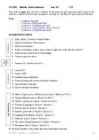
Alliteration Asyndeton Rhythmic invers. Assonance Apokoinu Run-on line Rhyme: Gap-sentence link Stanza: Full Framing Heroic couplet Incomplete Anadiplosis Ballad stanza Vowel Tautology Spenserian stanza Consonant Polysyndeton Ottava rima Compound Inversion Sonnet: Eye-rhyme Detachment Italian Internal Antithesis Shakespearean Head r. Chiasmus Blank verse Couplet r
epic or Heroic poetry. This verse form may assume the shape of triplet, in which the third, called Alexandrine, has six iambic feet instead of five. · The ballad stanza comprises four lines consisting of alternate iambic tetrameters and trimesters and rhyming a b a b. It must be distinguished from the ballade, a verse form consisting of 3 eight-lined stanzas and a four-lined stanza of dedication. · The Spenserian stanza consists of 9 lines: eight iambic pentameters followed by one iambic hexameter. Its rhyming scheme is a b a b b c b c c. E. Spenser used in his "the Faerie Queen" · Ottava rima is a stanza of 8 iambic pentameters rhyming a b a b a b c c. It is borrowed from Italian poetry in the 16th century. · Rhyme Royal is a stanza of seven iambic pentameters rhyming a b a b b c c. James U of Scotland used it in his "King's Quair"
metre and rhyme, and the length of lines. The main stanza patterns in English poetry are: 1. The heroic couplet a stanza containing 2 iambic pentametres (5 feet) rhyming: aa bb cc. 2. The ballad stanza has 4 lines consisting of alternate iambic tetrametres (4 feet) and trimetres, rhyming: a b c b. NB! The ballad stanza is to be distinguished from the ballade, a verse form consisting of three 8-lined stanzas and a 4-lined envoy (stanza of dedication). 3. The Spenserian stanza consists of 9 lines: 8 iambic pentametres (5 feet) followed by 1 iambic hexametre (6 feet), rhyming: a b a b b c b c c. 4. Ottava rima is a stanza of 8 iambic pentametres (5 feet), rhyming: a b a b a b c c. It is borrowed from the Italian poetry in the 16th century. 5. Rhyme Royal is a stanza of 7 iambic pentametres (5 feet), rhyming: a b a b b c c. The name comes from the use of this stanza by the king James I of Scotland. 6
 annaabi.ee