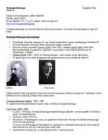
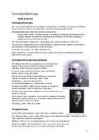
g., gaining rewards, avoiding punishment Altruism (benefiting other individual): Prosocial acts contribute to the welfare of other people no implication for reciprocation Collectivism (benefiting a group): Prosocial acts contribute to the welfare of a social group e.g., family, ethnic group, community (may lead harm to an outgroup) Principalism (upholding a moral principle): Prosocial acts follow from a moral principle e.g., "greatest good for the greatest number" linked with moral reasoning (Underwood & Moore, 1982) Sotsiaalne mõju Sotsiaalpsühholoogia sotsiaalse mõju uurimise kaudu: püüe mõista ja seletada, kuidas tunded, mõtted ja käitumine on mõjutatud teiste inimeste tõelise või kujutletava kohaloleku poolt. Juuresoleku mõju · R.Zajonc
A. Batson (1994) 4 põhimotiivi: Egoism (self-benefit): Prosocial acts contribute to the welfare of the actor e.g., gaining rewards, avoiding punishment Altruism (benefiting other individual): Prosocial acts contribute to the welfare of other people no implication for reciprocation Collectivism (benefiting a group): Prosocial acts contribute to the welfare of a social group e.g., family, ethnic group, community (may lead harm to an outgroup) Principalism (upholding a moral principle): Prosocial acts follow from a moral principle e.g., "greatest good for the greatest number" linked with moral reasoning (Underwood & Moore, 1982) Prosotsiaalsuse kujundamine · Keda millal abistatakse. Vastutuse hajumine suures rühmas · Kultuurierinevused: US individualism + filantroopia. Eesti? · Inimestevahelised erinevused. Prosotsiaalsus = sõltumatus rühmast, enesekindlus, suur pilt
g., gaining rewards, avoiding punishment Altruism (benefiting other individual): Prosocial acts contribute to the welfare of other people no implication for reciprocation Collectivism (benefiting a group): Prosocial acts contribute to the welfare of a social group e.g., family, ethnic group, community (may lead harm to an outgroup) Principalism (upholding a moral principle): Prosocial acts follow from a moral principle e.g., "greatest good for the greatest number" linked with moral reasoning (Underwood & Moore, 1982) 33 Prosotsiaalsuse kujundamine · Keda millal abistatakse. Vastutuse hajumine suures rühmas · Kultuurierinevused: US individualism + filantroopia
avoiding punishment Altruism (benefiting other individual): Prosocial acts contribute to the welfare of other people – no implication for reciprocation Collectivism (benefiting a group): Prosocial acts contribute to the welfare of a social group – e.g., family, ethnic group, community (may lead harm to an outgroup) Principalism (upholding a moral principle): Prosocial acts follow from a moral principle – e.g., “greatest good for the greatest number” – linked with moral reasoning (Underwood & Moore, 1982) Abistamine ja sugulussuhted Kognitiivne mudel Prosotsiaalne käitumine Prosotsialse käitumise mudel Abistava käitumise uuring L.Soosaar-Linnasmägi, TLÜ, 2009 Üldine Pastaka
 annaabi.ee