 50 punkti
Autor soovib selle materjali allalaadimise eest saada 50 punkti.
50 punkti
Autor soovib selle materjali allalaadimise eest saada 50 punkti.
 ~ 12 lehte
Lehekülgede arv dokumendis
~ 12 lehte
Lehekülgede arv dokumendis
 2010-03-25
Kuupäev, millal dokument üles laeti
2010-03-25
Kuupäev, millal dokument üles laeti
 8 laadimist
Kokku alla laetud
8 laadimist
Kokku alla laetud
 0 arvamust
Teiste kasutajate poolt lisatud kommentaarid
0 arvamust
Teiste kasutajate poolt lisatud kommentaarid
 Goodbye
Õppematerjali autor
Goodbye
Õppematerjali autor
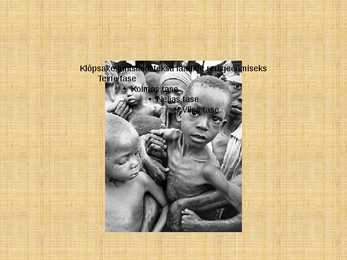
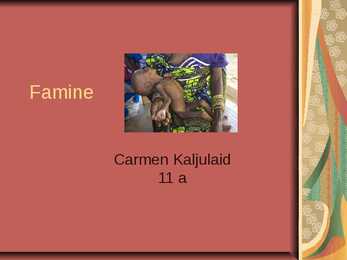
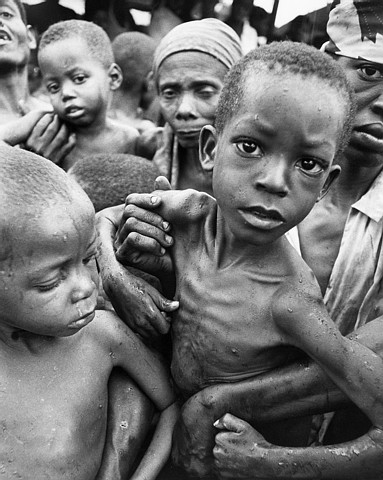
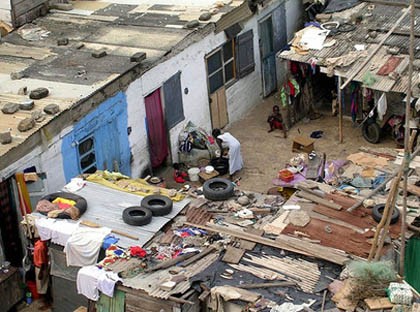
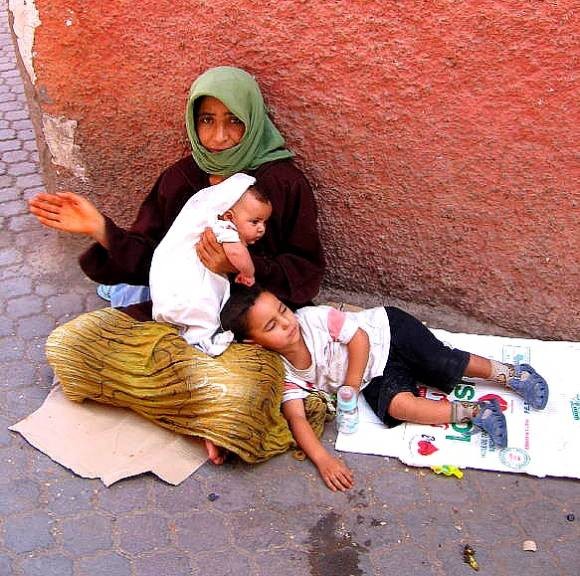
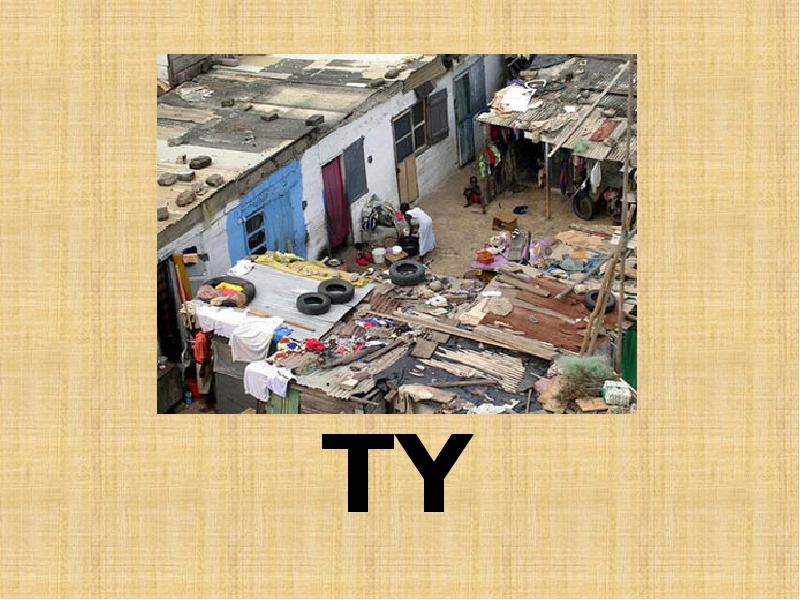
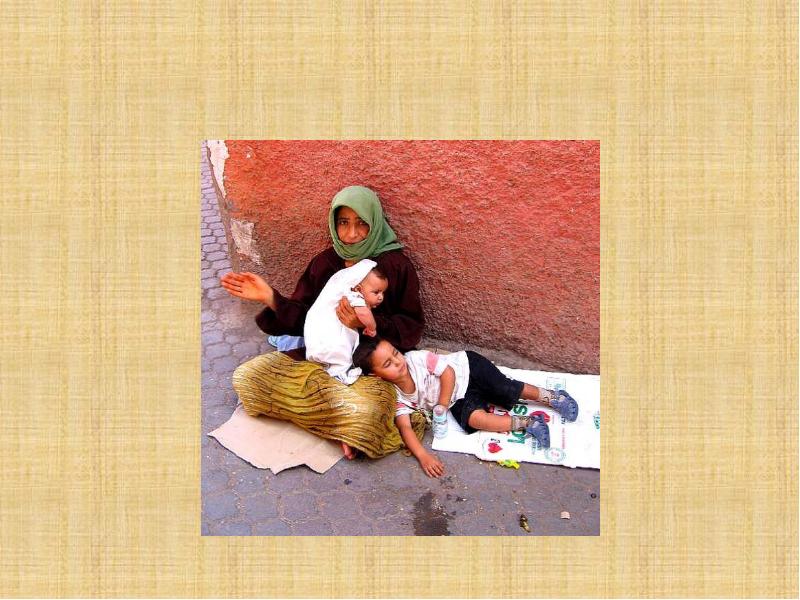
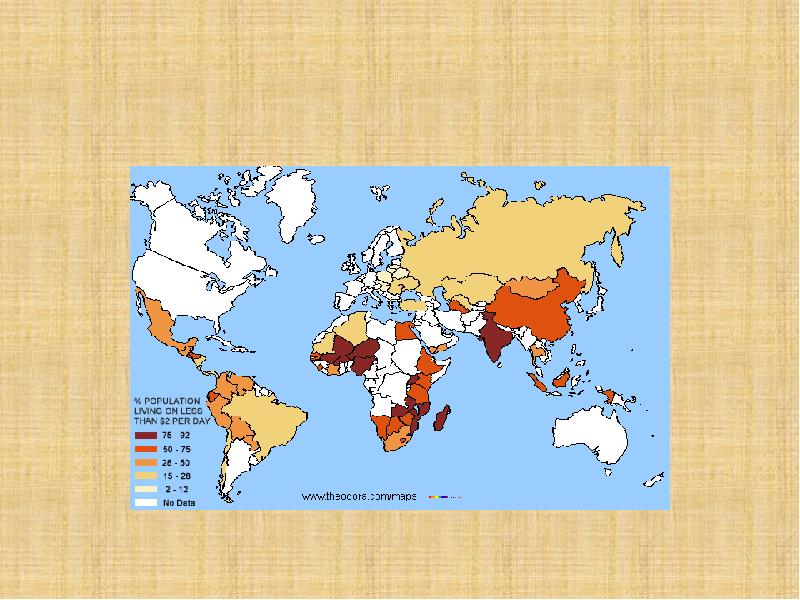
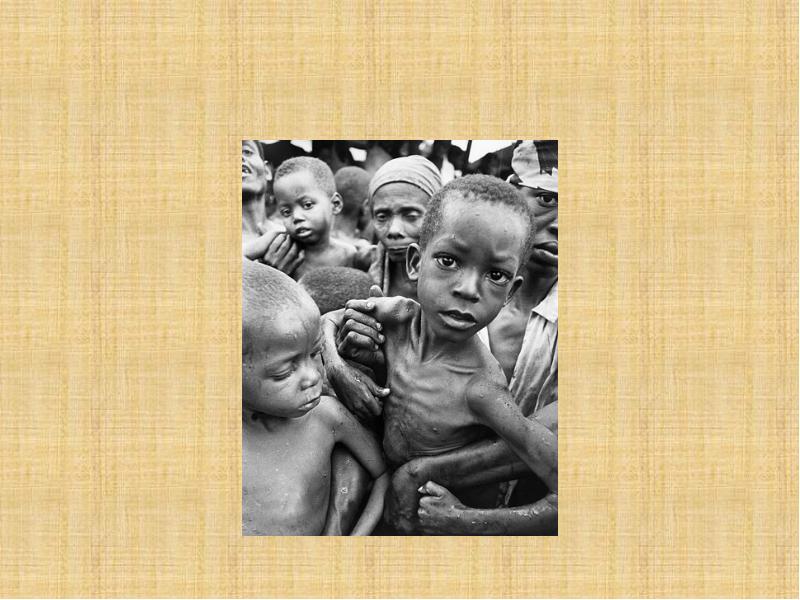
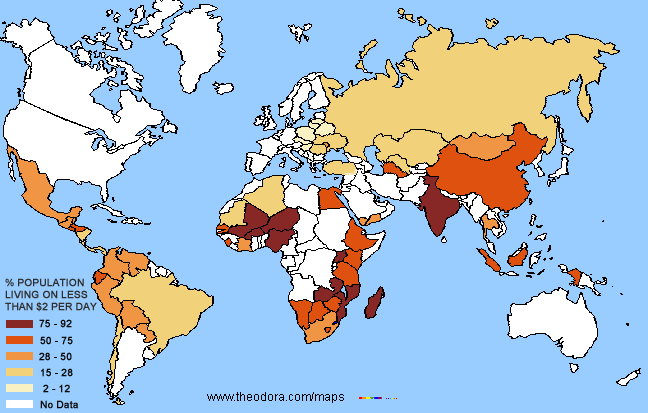
Famine Carmen Kaljulaid 11 a World Hunger, Poverty & Famine: How They Fit Together 923 million people across the world are hungry. In essence, hunger is the most extreme form of poverty, where individuals or families cannot afford to meet their most basic need for food. Hunger manifests itself in many ways other than starvation and famine. Most poor people who battle hunger deal with chronic undernourishment and vitamin or mineral deficiencies, which result in stunted growth, weakness and heightened susceptibility to illness. Countries in which a large portion of the population battles hunger daily are usually poor and often lack
ISBN: O-Oh-l:llYS2-1 He,'idence and Domestic Organization 94 The Domestic Network of MJgnolia and Calvin Waters 94 E8/ ll3 04 05 hO 59 58 57 56 55 54 53 52 51 50 Generosity and Poverty 105 ,y CONTENTS 7. Vomen and 1'len: ''I'm Not in Love with No ?fan Really" 108 Charts and Tables Mothers and Fathers 109 Fathers and Children 117 CHARTS J'vlen and IVIothers 120
are concerned about the ‘conditionalities’ imposed on borrower countries. Often the conditionalities are attached without due regard for the borrower countries’ individual circumstances and the prescriptive recommendations by the World Bank and IMF fail to resolve the economic problems within the countries. As a example author is using Ecuador that is a small country in South America. In 1968- 1998 IMF and World Bank interviened with large loans to help the country but the growth of poverty increased form 50% to 70%, under or unemployment 15%to 70% and the public debt grew from 240 million to 16 billion (Perkins, 2004, lk 239). This essay is going to explore how this kind of thing could have happened? The idea is not to blame well-known organizations. The idea is to observe and explain what happened to Ecuador and discuss if the criticism about this matter is grounded. In this essay author is going to use a book “ Confessions of an Economic Hitman“ by John
Re d Pa nda Jarita Maaria Rintamäki 6.klass Appe a r a nc e o Head and body are 50 to 65 cm long, Klõpsake juhtslaidi teksti laadide redigeerimiseks tail 30 to 50 cm. Teine tase Kolmas tase o They have red and black fur. Neljas tase Viies tase o Red pandas have long, bushy tails. o On their heads are two large white and black ears. o The muzzle area around the nose is also covered in white fur. Ha b i t a t o Red Pandas live in Nepal, Burma, southern China and surrounding areas. o They live in H
We are not men enough to accept responsibility for our actions. Africans blame either the British, French or little Portuguese/Spanish for their problems. Africans in America blame the Caucasians for all their problems, or any other ethic group they have allowed to take over their neighbours, a frequently recurring phenomena. Africans blame the International Monetary Fund, the World Bank, the Group of 7, the former colonial masters for the abject poverty in our respective countries. We blame the wars ravaging several African sectors on the interference of our former colonial masters on “our internal affairs.” Ha! – some kind of independence! In the 32 years I have been in America, I have never had a discussion with any of my brothers or sisters without it resorting to the African (Black)/Caucasian (white) relationship. When we decide to buy a
That made wages much lower, because more people were looking for jobs. Many people couldn't afford places to live and had to live on the streets. Slums started appearing in bigger towns. Crime rate was also rising because of this: many homeless children lived by stealing and respectable Victorians started seeing poor people as a threat to society. That is one of the reasons why workhouses were made. Workhouses Workhouses were supposed to solve the problem of poverty, because wealthy people believed that poor people were poor only because they were lazy(actual causes were overpopulation, unemployment and high prices). So in 1834 a law was passed in the Parliament that resulted in building workhouses to accommodate and give jobs to people who couldn't support themselves financially. Also in the workhouses were orphaned (children without parents) and abandoned children, the physically and mentally sick, the disabled, the elderly and unmarried mothers
Puerto Rican Americans(in the Northeast), Cuban Americans(in the South) · More likely than non-Hispanic Whites to live inside central cities (inner cities) of metropolitan areas · Family households tend to be larger · Education lower More likely to be unemployed · More likely to work in service occupations, less in managerial or professional occupations · Earn less than non-Hispanic white laborers. More likely to live in poverty *Mexico = Three ethnic divisions: People of European descent c. 10% - tend to be among the wealtlhy elite · Pure-blooded Indians about a third of the population at the other end of the income scale · Most people people of mixed Spanish and Indian blood *Mexican Americans = · The lands ceded by Mexico in 1848 contained only 75,000 Spanish speakers · For years the border was unpatrolled
national being and happiness could in moral behaviour · Naturalists show man as a small figure in deterministic system which ignores him · Man is a huge machine · Lot of these novels end in tragedy · For 20 years naturalism remained dominant method. The beginning of the 1910 (modernism starts ) · American naturalists: frank Norris ,,The Octopus", Stephan Crane ,,Red badge of courage" · Jack London (1876-1916) · Grew up in extreme poverty. From early age had to support himself with dangerous manual jobs. Experienced the trouble of survival. Outlooks were eclectic (combination of various philosophies). Was influenced by socialism by Karl Marx, on the other hand the dark views of Nietzche. Believed in the trimph of working man (marx), but at the same the in the necessity of of the survival of the strongest. Was attracted to the Nietzches theory of the superman- the true aristocrats
 annaabi.ee












Kõik kommentaarid