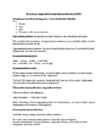
Turundus PR või brändi mainimine teatamine, raskesti tabatavate meedias sihtrühmade tabamine Müügiedendus Nähtavad stimulaatorid (nt Pull strateegia (proovi- kupong), et anda kohest jakordusostude tulemust ja stimuleerida stimuleerimine) käitumist Merchandising Kauba väljapanek, Toetada müüki kauplustes ja (kaubapaigutus) emotsioon, sõnumid tekitada ostuõhkkonda kaupluses (keskkond, mis tahab sind panna ostma) POP (point of purchase) Plakatid ja Stimuleerida müüki materjalid müügitoetusmaterjalid kaupluses
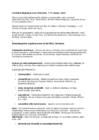
• Kaasaegneühiskondsunnibindiviiditegema valikuid. • Elustiilid on personaalsed, samas subkultuuril, millesse noor inimene kuulub, on oluline mõju ning see seob vähemalt osaliselt sarnase elustiiliga inimesi. Sümboliline majandus - linna sümbolid ja müüdid + majanduslik tegevus linnas ja linnajuhtimine Kultuuridevaheline tarbimine ja globaliseerumine – Disniseerimise aspektid: – tematiseerimine (theming), – hübriidne tarbimine (hybrid consumption), – kauplemine (merchandising), – perfomatiivne tööjõud (performative labor). McDonaldization (Ritzer 1993). McDonaldiseerumine/Macdonaldiseerumine. de- McDonaldization – Efektiivsus, Kalkuleeritavus, Ennustatavus, Kontroll Cocacolonization/coca-colonization (Wagnleitner 1994). Kokakoloniseerimine 7. Kohaturundus – Kohaturundus tähendab koha kujundamist-arendamist viisil, mis rahuldab selle sihtturgude vajadused. Kohaturundus on õnnestunud, kui linnaelanikud ja ettevõtted on rahul ja
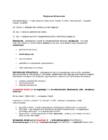
o Spordi subkultuurid (spordiala varustus, väärtussüsteem, riietusstiil, släng jne) o Klassikalised vaatemängulised subkultuurid Kultuuridevaheline tarbimine ja globaliseerumine Disneyisation (Bryman 2004). Disniseerimine Disniseerimise aspektid: o tematiseerimine (theming), o hübriidne tarbimine (hybrid consumption), o kauplemine (merchandising), o perfomatiivne tööjõud (performative labor). McDonaldization (Ritzer 1993). McDonaldiseerumine/Macdonaldiseerumine. o Efektiivsus, Kalkuleeritavus, Ennustatavus, Kontroll Cocacolonization/coca-colonization (Wagnleitner 1994). Kokakoloniseerimine Walmarting Tarbimiskatedraalid (Ritzer, 2005) Toodete ja teenuste valdkond, mis on seotud tootmise, turustamise, reklaami,
As a result, those groups got the win 83 percent of the time (Salant, 2003). Elected and ap- pointed officials often see themselves as immune to the rules that apply to rest of us-parking regulations and the like. But, to indulge them in this conceit when it comes to the rule of reciprocity is not only laughable, it's dangerous. The Not-Sa-Free Sample Of course, the power of reciprocity can be found in the merchandising field as well. Although the number of examples is large, let's examine a pair of familiar ones. As a marketing technique, the free sample has a long and effective history. In most in- stances, a small amount of the relevant product is given to potential customers to see if they like it. Certainly this is a legitimate desire of the manufacturer-to expose the public to the qualities of the product. The beauty of the free sample, however, is
Journal of Food Science rapidly after slaughter. In Meat Freezing: Why and 65:1002–1008. How? Meat Research Institute Symposium No. 3, Gilbert, S. E., R. Whyte, G. Bayne, S. M. Paulin, R. J. edited by C. L. Cutting. Langford, UK: Meat Research Lake, and P. van der Logt. 2007. Survey of domestic Institute. food handling practices in New Zealand. International Bernholdt, H. F. 1974. Merchandising frozen meats and Journal of Food Microbiology 117(3):306–311. consumer attitudes in purchasing and preparation. In Grujic, R., L. Petrovic, B. Pikula, and L. Amidzic. 1993. Meat Freezing—Why and How? Meat Research Definition of the optimum freezing rate. 1. Institute Symposium No 3, edited by C. L. Cutting. Investigation of structure and ultrastructure of beef M. Langford, UK: Meat Research Institute
 annaabi.ee