Common fractions of petroleum as fuels Fraction Boiling Range oC Liquefied petroleum gas (LPG) −40 Butane −12 to −1 Petrol −1 to 110 Jet fuel 150 to 205 Kerosene 205 to 260 Fuel oil 205 to 290 Diesel fuel 260 to 315 Other derivatives Certain types of resultant hydrocarbons may be mixed with other non-hydrocarbons, to create other end products: Alkenes (olefins) which can be manufactured into plastics or other compounds Lubricants (produces light machine oils, motor oils, and greases, adding viscosity stabilizers as required). Wax, used in the packaging of frozen foods, among others. Sulfur or Sulfuric acid. These are a useful industrial materials. Sulfuric acid is usually prepared as the acid precursor oleum, a byproduct of sulfur removal from fuels. Bulk tar. Asphalt Petroleum coke, used in speciality carbon products or as solid fuel. Paraffin wax
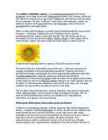
It has been used in certain paints, varnishes and plastics because of good semidrying properties without color modification associated with oils high in linolenic acid. In Eastern Europe and the USSR where sunflower oil is plentiful, sunflower oil is used commonly in the manufacture of soaps and detergents. The use of sunflower oil (and other vegetable oils) as a pesticide carrier, and in the production of agrichemicals, surfactants, adhesives, plastics, fabric softeners, lubricants and coatings has been explored. The utility of these applications is usually contingent upon petrochemical feedstock prices. Sunflower oil contains 93% of the energy of US Number 2 diesel fuel (octane rating of 37), and considerable work has been done to explore the potential of sunflower as an alternate fuel source in diesel engines. Blends of sunflower oil and diesel fuel are expected to have greater potential than the burning of pure vegetable oil. D. Non-Oilseed:
identified by having a black dipstick stating holding the driveshaft and attempting to mechanism and exposed sections of inner the fluid specification and type. Having rotate the wheel. Repeat this check by holding cable with a smear of grease. determined whether the transmission is of the the inner joint and attempting to rotate the 3 Check the security and operation of all early or later type, refer to "Lubricants and driveshaft. Any appreciable movement hinges, latches and locks, adjusting them indicates wear in the joints, wear in the where required. Where applicable, check the fluids" for the fluid requirement. Under no driveshaft splines or loose retaining nut. operation of the central locking system. circumstances may the later type fluid be used
Article 218. Commodity Declaration 1. For the purpose of registration of goods a commodity declaration has to be submitted and the commodity operation shall be determined on basis of the declaration. 2. From the date of registration the declaration is a document verifying the facts of legal rel- evance unless otherwise provided in this Code. 3. Personal items of passengers and the crew in the course of international air, rail and sea transfers, as well as water, fuel and lubricants (except spare parts and installations) taken on board to ensure normal conditions of exploitation of the transportation are not required to be declared in accordance with the regulation specified in this Code. 4. In case of alteration of quantity and price of declared goods the declaration registered by initiative of the declarant may be modified: a) before releasing the commodity provided that the Revenue Service has not notified the declar-
 annaabi.ee