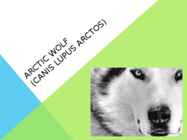
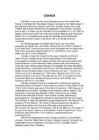
S) T O RC LF A O US W P I C LU C T S R I A AN (C ARCTIC WOLF, POLAR WOLF, WHITE WOLF • Weight: 45-70kg • They are not fast runners. • They hunt in packs. • They prey mainly on caribou and muskoxen, but also arctic hares, seals, ptarmigan, lemmings and smaller animals such as waterfowl. ARCTIC WOLVES ARE SMALLER THAN GREY WOLVES, THEY ALSO HAVE SMALLER EARS AND SHORTER MUZZLES TO RETAIN BODY HEAT. GREY WOLF ARCTIC WOLF HABITAT AND DISTRIBUTION • They have lived in North America for more than two million years. • The arctic wolf inhabits the Canadian Arctic and the islands, parts of Alaska and northern parts of Greenland. • In their natural habitat, they
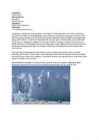
Underneath the ice cover are the ancient rocks of the Greenland Shield, which is geologically related to the Canadian Shield. Drainage is afforded mainly by the so called ice fjords, in which glaciers from the ice caps pass through valleys to the sea, where they form thousands of icebergs each year. The climate is extremely cold, although the south experiences a short summer. The mammals of Greenland are more American than European and include muskox, wolves, lemmings, and reindeer. The varieties of seal and whale, and most of the species of fish and seabird, are also American rather than European. Circumpolar animals, such as polar bears, arctic foxes, polar hares, and stoats, are also found. Greenlanders are a people of mixed ancestry, primarily Inuit and European, especially Danish Norwegian. Nearly all live on the narrow southwest coastal fringe. Fishing, sealing, and
bobcat, or lynx. When a predator chases it, the rabbit will quickly change direction. They are also good swimmers and will jump in the water to make an escape. Polar bear Polar bear is the largest carnivore on land. The polar bear's fur is clear, not white. Light reflects off the fur and makes it look white. Their teeth and claws are very sharp so they can catch their prey easily. They hunt and eat seals, whale and walrus carcasses. In the summer they also eat lemmings, arctic foxes, ducks and some plants. They live for 15 to 20 years and spend most of their time on drifting packs of ice, eating and resting. The bears reach sexual maturity 3 to 5 years after birth. Each year pregnant polar bears dig a den in the snow of southern facing slopes, where they give birth. The females give birth to one or two cubs. Cubs are naked, blind and deaf when they are born. They learn how to hunt with their mothers for about two and a half years.
Although there isn't a lot of biodiversity, only 48 species of land mammals are found on the tundra, there are a lot of each species. These consist of slightly modified shrews, hares, rodents, wolves, foxes, bears and deer. There are huge herds of reindeer in North America that feed on lichens and plants. There are also smaller herds of musk oxen. Wolves, wolverines, arctic foxes, and polar bears are the predators of the tundra. Smaller mammals are snowshoe rabbits and lemmings. There aren't many different species of insects in the tundra, but black flies, deer flies, mosquitoes and "no-see-ums" (tiny biting midges) can make the tundra a miserable place to be in the summer. Mosquitoes can keep themselves from freezing by replacing the water in their bodies with a chemical called glycerol. It works like an antifreeze and allows them to survive under the snow during the winter. The marshy tundra is a great place for migratory birds like the
Taigas, Prairies and Decidious Forests. The Arctic Biome is very cold and windy. There are long periods of darkness and the growing season is very short so there are almost no plants. Some of the typical animals are the Arctic fox, ermines, polar bears, Arctic terns, walruses and seals. The Tundra is located near the Arctic region. It's permafrost and desertlike. Some of the plants that can survive are lichens and mosses. Typical animals are musk oxen, elks, moose, lemmings, wolves and foxes. The taiga biome, also known as coniferous forests is located south of the Tundra region. They are major source of oxygen. The climate is cold and harsh. The soil is acidic so only deciduous trees can grow there: like hemlocks, pines, larches, spruces and firs. Typical animals are brown bears, foxes, geese, lynxes and moose. Prairies are temperate grasslands. The consist of plains of grass that are hot in summer and cold in the winter. They are made by fires
There are long periods of darkness and light. The growing season is very short. Some typical animals are Arctic foxes, ermines, polar bears, Arctic terns, walruses and seals. The Tundra is located near the Arctic region. It is cold and windy as well. The land is permafrost and desert-like. The growing season is 50-60 days and that's why there are plants like mosses and lichens. Typical animals are musk oxen, elks, moose, lemmings, wolves and foxes. The Taiga biome, also known as coniferous forests is located south of the Tundra region. Taigas are the largest biomes on Earth and they are a major source of oxygen. The climate is cold and harsh with low precipitation and a short growing season. The soil is acidic and only deciduous trees can grow there like hemlocks, pines, larches, spruces and firs. Some typical animals are brown bears, foxes, geese, lynxes and moose.
and many other species of fish and sealife. There are five major Biomes in Canada: Arctic Biomes, Tundras, Taigas, Praeries and Deciduous Forests. The Tundra is located near the Arctic region. It is permafrost and desert-like. The area is very cold and windy. The growing season is 50-60 days. Some of the plants that can survive there are lichens and mosses. Typical animals for the Tundra are musk oxen, elks, moose, lemmings, wolves and foxes. The Taiga biome, also known as coniferous forests is located south of the Tundra region. Taigas are the largest biomes on Earth and they are a major source of oxygen. The Climate there is cold and harsh. Precipitation is low. The growing season is short. Only deciduous trees can grow there since the soil is acidic. Some typical animals are brown bears, foxes, geese, lynxes and moose. Prairies are temperate grassland. They consist of plains of grass that are hot in the
There are long periods of darkness and light. The growing season is very short. The tundra is located near the Arctic region. It is cold and windy as well. The land is permafrost and desertlike. The growing season is 5060 days and that is why there grow plants such as mosses and lichens. 6. Animals Some typical animals are Arctic foxes, ermines, polar bears, Arctic terns, walruses and seals. Typical tundra animals are musk oxen, elks, moose, lemmings, wolves and foxes. The Taiga biome, also known as coniferous forests is located south of the Tundra region. Taigas are the largest biomes on Earth and they are a major source of oxygen. The climate is cold and harsh with low precipitation and a short growing season. The soil is acidic and only deciduous trees can grow there like hemlocks, pines, larches, spruces and firs. Some typical animals are brown bears, foxes, geese, lynxes and moose
few / AW, predators ; high population of alternative prey for predators ; no overcrowding / lots of breeding sites / AW ; less disease ; less competition from other species ; low environmental resistance ; 3 max (b) interspecific between two (or more) species ; two named species (on lemmings) ; intraspecific within species ; named species plus resource ; if definitions of interspecific and intraspecific competition are the wrong way around can still gain one mark for correct examples of both types of competition 3 max (c) maximum, size / number, of a, population / species ; either
 annaabi.ee