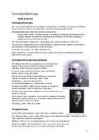
Agressiivsuse evolutsiooniline kontekst D.Buss Evolutsioonilises kontestis on välja toodud motiivid, mis võivad olla agressiivse käitumise põhjusteks. · Motives for aggression: Status, reputation, honor and sexual jealousy as key motives for aggression. · Adaptive problems "to which aggression might have evolved as a solution": Co-opting resources held by others Defending against attack Inflicting costs on intrasexual rivals Negotiating status and power hierarchies Deterring rivals from future aggression Deterring long-term mates from sexual infidelity Reducing resources expended on unrelated children. nt tüüpiliseks motiiviks on hierarhia kehtestamine Neal Miller (1909-2002) Frustratsiooni-agressiivsuse hüpotees (1939) · Idee: eesmärgile suunatud tegevuse blokeerimine toodab agressiivsust.
Agressiivsus kui geneetiline tunnus (kaksikute agressiivsuse tase sarnane), agressiivsuse hormonaalne regulatsioon Keskkond pärilikkus debatt D. Buss: agressiivsuse evolutsiooniline kontekst · Motives for aggression: Status, reputation, honor and sexual jealousy as key motives for aggression. · Adaptive problems "to which aggression might have evolved as a solution": Co-opting resources held by others Defending against attack Inflicting costs on intrasexual rivals Negotiating status and power hierarchies Deterring rivals from future aggression Deterring long-term mates from sexual infidelity Reducing resources expended on unrelated children. · Buss, D. M., & Shackelford, T. K. (1997). Human aggression in evolutionary perspective. Clinical Psychology Review, 17, 605619. · Duntley, J. D., & Buss, D. M. (2004). The evolution of evil. In A. G. Miller (Ed.), The Social Psychology of Good and Evil
30 D. Buss: agressiivsuse evolutsiooniline kontekst · Motives for aggression: Status, reputation, honor and sexual jealousy as key motives for aggression. · Adaptive problems "to which aggression might have evolved as a solution": Co-opting resources held by others Defending against attack Inflicting costs on intrasexual rivals Negotiating status and power hierarchies Deterring rivals from future aggression Deterring long-term mates from sexual infidelity Reducing resources expended on unrelated children. · Buss, D. M., & Shackelford, T. K. (1997). Human aggression in evolutionary perspective. Clinical Psychology Review, 17, 605619. · Duntley, J. D., & Buss, D. M. (2004). The evolution of evil. In A. G. Miller (Ed.), The Social
sarnane), agressiivsuse hormonaalne regulatsioon Keskkond – pärilikkus debatt D. Buss: agressiivsuse evolutsiooniline kontekst • Motives for aggression: Status, reputation, honor and sexual jealousy as key motives for aggression. • Adaptive problems “to which aggression might have evolved as a solution”: – Co-opting resources held by others – Defending against attack – Inflicting costs on intrasexual rivals – Negotiating status and power hierarchies – Deterring rivals from future aggression – Deterring long-term mates from sexual infidelity – Reducing resources expended on unrelated children. • Buss, D. M., & Shackelford, T. K. (1997). Human aggression in evolutionary perspective. Clinical Psychology Review, 17, 605– 619. • Duntley, J. D., & Buss, D. M. (2004). The evolution of evil. In A. G. Miller (Ed
 annaabi.ee