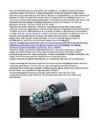
sisepõlemismootorites stabilisaatoritena. Kui tavalised hoorattad on tehtud terasest, alumiiniumist, siis uueks oluliseks suunaks hoorataste tootmisel on komposiitmaterjalid, sest hoorataste tootmisel püütakse maksimeerida kineetilise energia salvestamist, pöörlemiskiirust. Et suurendada energiahulka, mida hooratas suudab salvestada, on olunie et hooratta materjalil oleks uur eritõmbetugevus, seetõttu on tulevikusuunaks praegu süsinikust materjalid. http://en.wikipedia.org/wiki/Flywheel http://www.scribd.com/doc/19537282/Composite-Flywheel- a-Mechanical-Alternative http://www.docstoc.com/docs/41721354/Methods-For-Making- Reinforced-Composite-Flywheels-And-Shafts---Patent-4996016 Kineetilise energia salvestamine sõltub hooratta massist- massi kahekordistamine, suurendab energia salvestamist kõigest kaks korda, samas kui pöörlemiskiiruse kahekordne tõstmine suurendab energiasalvestus hulka neljakordselt. Komposiitmaterjalid on võrreldes metallidega üsna
. 1769 30 . , , . 1772 300- . , . , . -- - , , , . , , . , , -- . XVIII , . , . . . , , . , , , . , . 1 , 70- , . 12 . . In Russia, in the 1780s, Ivan Kulibin developed a human-pedalled, three-wheeled carriage with modern features such as a flywheel, brake, gear box, and bearings; however, it was not developed further Ivan Petrovich Kulibin (April 21, 1735 - August 11, 1818) was a Russian mechanic and inventor. He was born in Nizhny Novgorod in the family of a trader. From childhood, Kulibin displayed an interest in constructing mechanical tools. Soon, clock mechanisms became a special interest of his. During 1764-1767 he built an egg-shaped clock, containing a complex automatic mechanism
Mootor 1. Mootori ehitus 1.1 Väntmehhanism Väntmehhanismi - ülesanne on muuta kepsu sirgjooneline liikumine väntvõlli pöördjooneliseks liikumiseks. 1.2 Hooratas(flywheel) Hooratas - on masina (mehhanismi) element, mille ülesandeks on kineetilise energia (pöörlemise) salvestamine, et hiljem seda energiat kasutada masina (mehhanismi) edasiseks töövõimeks. Hooratast kasutatakse mehhanismi töö ühtlustamiseks ning ka töövõime jätkamiseks näiteks sisepõlemismootorites. Samuti kasutatakse hooratast güroskoop kompassides. Lihtsaim näide hoorattast on laste mänguasi vurr. Joonis 1 1.3 Kolb(pistion)
the coolant to drain. disconnected from the expansion tank and to inhibit the formation of rust and to reduce 5 A cylinder block drain plug is also fitted to the coolant drained from the tank. If the corrosion. certain models on the forward facing side of interior of the tank is dirty, remove it and 15 The coolant must be renewed at the the cylinder block, towards the flywheel end. thoroughly clean it out. intervals specified. Although the antifreeze Where this is the case, unscrew the plug and 10 After draining or flushing, reconnect all properties of the coolant will remain allow the cylinder block to drain into the disconnected hoses and refit the drain plugs indefinitely, the effectiveness of the rust and container (see illustrations). where applicable
Mõõtmistulemused näitavad, et kolb on ovaalne ja kooniline, sest kolb soojusega paisub. Kolb vajab paisumisruumi, vastasel juhul kolb paisuks kinni. 12 Väntmehhanismi detailid Mootori plokk- engine block Plokikaas- cylinder head Karter- oil pan Kolvid- pistons Kepsud- connecting rods Väntvõll- crankshaft Väntvõlli laagrid- crankshaft bearings Kolvirõngad- piston rings Hooratas- flywheel Kolvisõrm- piston pin Kepsulaagrid- connecting rod bearings Laagrid Väntvõll toetub mõlemast otsast kuullaagritele. Väntvõlli vändakaelal ja võllikaelal kasutatakse liugelaagreid. Tihendid Karteri tihendamisel hermeetilist kummist tihendit või vanematel autodel papist tihendid. Väntvõllil kaelustihendid. 13 Küsimused 1. Kuidas on tõkestatud väntvõlli teljesuunaline nihkumine?
reaches the ideal alignment, so it overshoots the final position. Since it is now out of alignment with the magnetic field, it “bounces” back and overshoots in the other direction. This continues, with smaller oscillations, until the rotor finally stops. Figure 7.5 illustrates this. The frequency at which the rotor oscil- lates depends on the motor characteristics (rotor mass and construction, for instance) and the load. If the motor is connected to a load that looks like a flywheel (a mechanical shutter in an optical system, for example), resonance may be more of a problem than an unloaded motor. A load with a lot of fric- tion, such as a belt-driven pulley, has a damping effect that will reduce reso- nance (unless the belt is connected to a flywheel). Many stepper motors exhibit a sudden loss of torque when operating at certain step rates. This occurs when the step rate coincides with the oscilla- tion frequency of the rotor
 annaabi.ee