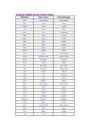
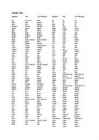
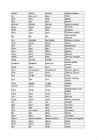
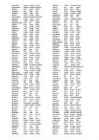
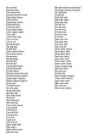
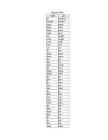
Leidsid 33 sarnast õppematerjali, mis on seotud failiga "Ebareeglipäased tegusõnad - irregular verbs". Need materjalid aitavad sul teemat sügavamalt mõista.
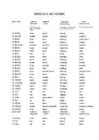
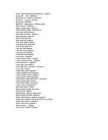
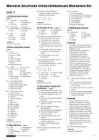
burn, come, stood, cost, hurt, split, hear, mean, speed, spell, taught, told, thought, woke, spoke, forgot, similar, fall, drive, chose, broke, stole, brought, built, burnt, burned, bought, grow, caught, know, felt, found, gotten, kept, learnt, left, lost, came, paid, sold, sent, shot, slept, spelt, spent, stand, teach, tell, wrote, understand, tookbleed bled bled blend blended blended bless blessed, blest blessed, blest blow blew blown break broke broken breed bred bred bring brought brought broadcast broadcast broadcast build built built burn burnt, burned burnt, burned burst burst burst buy bought bought cast cast cast catch caught caught choose chose chosen cleave clove, cleft cloven, cleft cling clung clung clothe clothed clothed come came come
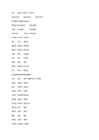
Bear bore born(e) lie lay lain Beat beat beaten light lit lit Become became become lose lost lost Begin began begun make made made Bite bit bitten mean meant meant Blow blew blown meet met met Break broke broken pay paid paid Brong brought brought put put put Build built built read read read Burn burnt (Inf+ed) burnt (Inf+ed) ride rode ridden
Be,was,been-olema Bear,bore,born(e)-taluma Beat,beat,beaten-tukslema Become,became,become-saama Begin,began,begun-algama Bite,bit,bitten-hammustama Blow,blew,blown-puhuma Break,broke,broken-lõhkuma Build,built,built-ehitama Burn,burnt(burned),-II- -põlema Burst,burst,burst-lõhkema Buy,bought,bought-ostma Can,could,(been able to)-oskama Catch,caught,caught-püüdma Choose,chose,chosen-valima Come,came,come-tulema Cost,cost,cost-maksma Cut,cut,cut-lõikama Deal,dealt,dealt-nr. valima Dig,dug,dug-kaevama Do,did,done-tegema Dream,dreamt(dreamed),-II- -unistama Drink,drank,drunk-jooma Eat,ate,eaten-sööma Fall,fell,fallen-kukkuma Feed,fed,fed-toitma Feel,felt,felt-tundma Fight,fought,fought-kaklema Find,found,found-leidma Flee,fled,fled-põgenema Fly,flew,flown-lendama Forbid,forbade,forbidden-keelama Forget,forgot,forgotten-unustama Forgive,forgave,forgiven-andestama Freeze,froze,frozen-külmuma Get,got,got-saama Give,gave,given-andma Go,went,gone-minema Grow,grew,grown-kasvama Hang,hu
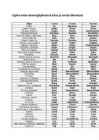
buy bought bought Ostma Heitma, viskama, cast cast cast valama catch caught caught Püüdma choose chose chosen Valima Klammerduma, kinni cling clung clung pidama come came come Tulema cost cost cost Maksma creep crept crept Hiilima, roomama cut cut cut Lõikama deal dealt dealt Tegelema dig dug dug kaevama dive dived/dove dived Sukelduma do did done tegema draw drew drawn joonistama
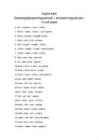
99 Ebareeglipärast tegusõna 1 seisma stand stood stood 2 kleepima stick stuck stuck 3 rääkima tell told told 4 aru saama understand understood understood 5 võitma win won won 6 omama have had had 7 hoidma hold held held 8 juhtima/viima lead led led 9 süütama light lit lit 10 kaevama dig dug dug
1. Be was/were been olema 2. Bear bore born(e) kandma, taluma 3. Beat beat beaten- lööma 4. Become became become- saama kellekski , millekski 5. Begin began begun- alustama 6. Bite bit bitten- hammustama 7. Blow blew blown- puhuma 8. Break broke broken-murduma, murdma, lõhkuma 9. Bring brought brought-tooma 10. Build built built-ehitama 11. Burn burnt burnt-põletama 12. Burst burst burst-purskama, puhkema 13. Buy bought bought-ostma 14. Can could could-võima, suutma 15. Catch caught caught- kinni püüdma 16. Choose chose chosen-valima 17. Come came come-tulema 18. Cost cost cost- maksma, väärt olema 19. Cut cut cut-lõikama 20. Deal dealt dealt-kauplema, käsitlema, tegelema 21
begin began begun bite bit bitten blow blew blown break broke broken bring brought brought build built built burn burnt burnt burst burst burst buy bought bought can could been able catch caught caught choose chose chosen come came come cost cost cost cut cut cut deal dealt dealt dig dug dug do did done draw drew drawn drink drank drunk drive drove driven eat ate eaten fall fell fallen feed fed fed feel felt felt fight fought fought find found found
28. broadcast broadcast broadcast (raadio või televisiooni teel) saatma või levitama, eetrisse andma; 29. browbeat browbeat browbeaten (kurja pilgu või kärkimisega) heidutama, hirmutama, araks tegema 30. build built built ehitama 31. burn burnt (burned) burnt (burned) põlema 32. burst burst burst purskama (nutma/naerma), plahvatama, lõhkema 33. bust bust (busted) bust (busted) purustama; ruineerima; vahi alla võtma, vahistama 34. buy bought bought ostma
sündima bear bore borne kasva(ta)ma grow grew grown peksma beat beat beaten rippuma hang hung hung kellekski saama become became become omama have had had algama begin began begun kuulma hear heard heard kalduma bend bent bent peitma hide hid hidden hammustama bite bit bitten lööma hit hit hit veritsema bleed bled bled hoidma hold held held puhuma blow blew blown vigastama hurt hurt hurt
TO BLEED bleed bled bleeding bled TO BLOW blow blew blowing blown TO BREAK break broke breaking broken TO BRING bring brought bringing brought TO BUILD build built building built TO BURN burn burned, burnt burning burned, burnt TO BURST burst burst bursting burst TO BUY buy bought buying bought TO CATCH catch caught catching caught TO CHOOSE choose chose choosing chosen
Murdma, purustama Break Broke Broken Kasvatama/aretama Breed Bred Bred Tooma Bring Brought Brought Raadio/tv kaudu edastama Broadcast Broadcast/-ed Broadcast/-ed Ehitama Build Built Built Põlema, põletama Burn Burned/burnt Burned/burn Lõhkema Burst Burst Burst Ostma Buy Bought Bought Viskama, valama Cast Cast Cast Püüdma Catch Caught Caught Tõrelema Chide Chid/chided Chid/chided/chid
Olema BE-WAS/WERE-BEEN kuulma HEAR/HEARD/HEARD Saama k/m BECOME-BECAME-BECOME peitma HIDE/HID/HIDDEN Alustama BEGIN/BEGAN/BEGUN lööma HIT/HIT/HIY Hammustama BITE/BIT/BITTEN hoidma HOLD/HELD/HELD Puhkama BLOW/BLEW/BLOWN haiget tegema HURT/HURT/HURT Katki BREAK/BROKE/BROKEN jätma KEEP/KEPT/KEPT Tooma BRING/BROUGHT/BROUGHT teadma KNOW/KNEW/KNOWN Ehitama BUILD/BULIT/BUILT juhtima LEAD/LED/LED Ostma BUY/BOUGHT/BOUGHT õppima LEARN/LEARNT/LEARNT Püüdma CATCH/CAUGHT/CAUGHT jätma LEAVE/LEFT/LEFT Valikud CHOOSE7CHOSE/CHOSEN välja laenutama LEND/LENT/LENT Tulema COME/CAME/COME laskma LET/LET/LET Maksma COST/COST/COST kaotama LOSE/LOST/LOST Lõikama CUT/CUT/CUT tegema MAKE/MADE/MADE Tegema DO/DID/DONE tähendama MEAN/MEANT/MEANT Joonistama DRAW/DREW/DRAWN kohtama MEET/MET/MET Jooma DRINK/DRANK/DRUNK maksma PAY/PAID/PAID Sõitma DRIVE/DROVE/DRIVEN panema PUT/PUT/PUT Sööma EAT/ATE/EATEN lugema READ/READ/READ Kukkuma FALL/FELL/FALLEN sõitma RIDE/RODE/RIDDEN Toitma FEED/FED/FED helisema RIN
TEGEMA BRING BROUGHT BROUGHT TOOMA BURN BURNT BURNT PÕLEMA, PÕLETAMA BUILD BUILT BUILT EHITAMA BURST BURST BURST PUHKEMA BUY BOUGHT BOUGHT OSTMA CATCH CAUGHT CAUGHT KINNI PÜÜDMA CHOOSE CHOSE CHOSEN VALIMA COME CAME COME TULEMA COST COST COST MAKSMA, VÄÄRT OLEMA CUT CUT CUT LÕIKAMA DEAL DEALT DEALT KÄSITLEMA DO DID DONE TEGEMA DRAW DREW DRAWN JOONISTAMA DRINK DRANK DRUNK JOOMA DRIVE DROVE DRIVEN (AUTOT) JUHTIMA EAT ATE EATEN SÖÖMA FALL FELL FALLEN KUKKUMA
heitma fling flung flung panustama bet bet bet heitma sling slung slung peitma hide hid hidden helistama ring rang rung pillama spill spilt spilt hellitama spoil spoilt spoilt pistma thrust thrust thrust hiilima creep crept crept poetama shed shed shed hoidma hold held held poolitama split split split hoidma keep kept kept puhkema burst burst burst hääldama spell spelt spelt puhuma blow blew blown hüppama leap leapt leapt põgenema flee fled fled istuma sit sat sat põhja vajuma sink sank sunk jagama deal dealt dealt põletama burn burnt burnt jooma drink drank drunk põlvitama kneel knelt knelt
III vorm - Bet III vorm - Bitten Puhuma = Blow Lõhkuma, katki minema = Break I vorm Blow I vorm Break II vorm Blew II vorm Broke III vorm - Blown III vorm - Broken Tooma = Bring Ehitama = Build I vorm Bring I vorm Build II vorm Brought II vorm Built III vorm - Brought III vorm - Built Põlema, põletama = Burn Ostma = Buy I vorm Burn I vorm Buy II vorm Burnt II vorm Bought III vorm - Burnt III vorm - Bought Saama, võima, oskama = Can (Kinni) Püüdma = Catch I vorm Can I vorm Catch II vorm Could II vorm Caught III vorm - Puudub III vorm - Caught Valima = Choose Tulema = Come I vorm Choose I vorm Come
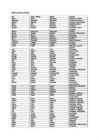
Beat beat beaten Pay paid paid Become became become Put put put Begin began begun Read read read Bite bit bitten Ride rode ridden Break broke broken Ring rang rung Build built built Run ran run Burst burst burst Say said said Buy bought bought See saw seen Catch caught caught Sell sold sold Can could Send sent sent Come came come Set set set Cost cost cost Shoot shot shot Cut cut cut Sing sang sung Deal dealt dealt Sink sank sunk Dig dug dug Slide slid slid Do did done Speak spoke spoken Dream dream dreamt Spend spent spent Drive drove driven Stand stood stood Eat ate eaten Steal stole stolen Fall fell fallen Stick stuck stukk Feed fed fed Strike struck struck Feel felt felt Swear swore sworn
Irregular Verbs simple past be was/were become became begin began blow blew break broke build built buy bought catch caught come came cost cost cut cut do did drink drank drive drove eat ate feel felt find found fly flew forget forgot freeze froze get got give gave go went have had hear heard hit hit hold held hurt hurt keep kept know knew lay laid lead led leave left lend lent let let lie lied lose lost make made meet met pay paid put put read read ride rode ring rang run ran say said see saw sell sold send sent show showed sit sat sleep slept speak spoke spend spent stand stood swim swam
blow blew blown break broke broken breed bred bred bring brought brought broadcast broadcast broadcast build built built burn burned/burnt burned/burnt burst burst burst buy bought bought cast cast cast catch caught caught choose chose chosen cling clung clung come came come cost cost cost creep crept crept cut cut cut deal dealt dealt dig dug dug dive dived/dove dived do did done draw drew drawn dream dreamed/dreamt dreamed/dreamt drive drove driven drink drank drunk eat ate eaten fall fell fallen feed fed fed
ride rode ridden sõitma ring rang rung helisema run ran run jooksma say said said ütlema see saw seen nägema sell sold sold müüma send sent sent saatma set set set seadma shine shone shone särama show showed shown näitama shut shut shut sulgema sing sang sung laulma sink sank sunk uppuma , uputama sit sat sat istuma sleep slept slept magama smell smelled/smelt haisema speak spoke spoken rääkima spend spent spent kulutama spill siplled /spilt spilled spilt üle ajama stand stood stood seisma steal stole stolen varastama swim swam swum ujuma take took taken võtma teach taught taught õpetama tear tore torn rebima tell told told ütlema . jutustama think thought thought mõtlema throw threw thrown hetima , loopima understand understood understood aru saama wake woke woken äratama wear wore worn kandma win won won võitma write wrote written kirjutama
be was / were been become became become begin beganbegun bring brought brought buy bought bought choose chose chosen come came come do did done drink drank drunk drive drove driven eat ate eaten fall fell fallen feel felt felt find found found fly flew flown forget forgot forgotten get got got (gotten in USA) give gave given go went gone have had had hear heard heard keep kept kept know knew known leave left left lend lent lent let let let lose lost lost make made made meet met met pay paid paid put put put
Inglise keel. Ebareeglipärased tegusõnad + tavalised tegusõnad + muud asjad. 1. Be was/were been - olema 2. Break broke broken katki tegema 3. Bring brought brought- tooma 4. Built built built - ehitama 5. Buy bought bought ostma 6. Catch caught caught kinni püüdma 7. Come came come - tulema 8. Dig dug dug - kaevama 9. Do did done - tegema 10.Draw drew drawn - joonistama 11.Drink drank drunk - jooma 12.Drive drove driven autot juhtima 13.Eat ate eaten - sööma 14.Feed fed fed - söötma 15.Find found found - leidma 16.Fly flew flown - lendama 17.Get got - got - saama 18.Go went gone - minema 19.Have had had - omama 20.Hear heard heard - kuulma 21.Hold held held - hoidma 22
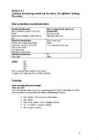
Here's a breakdown of how you can express how you really are without complaining too much. · Fine, thanks. / On top of the world, thanks. · OK, thanks · Not so bad, thanks. / Can't complain, thanks. · So so, thanks. / So and so, thanks. · Not so good, actually 1 The English alphabet Spelling Work with your partner and spell out first your name and then some names of places. Write down each letter as you hear it, and then say the word. The English alphabet on the phone: You might find the following alphabet (used by international airlines) useful when trying to spell a word on the telephone. A Alpha O Oscar Ä Alpha-Echo Ö Oscar-Echo B Bravo P Papa
Chapter1: An unknown woman was found lying in the street and brought into the workhouse. She delivered a sickly child who had trouble breathing. The woman, without a word of who she was, died and left her new born boy, Oliver, to the drunken nurse that stood by. Chapter2: The State gave Oliver to Mrs. Mann who housed a number of orphaned children. Mrs. Mann took a large portion of the money given to her by the authorities for each child's food so Oliver grew up small and malnourished. On his ninth birthday, the town beadle, Mr. Bumble, came to collect Oliver and take him to the board for an interview. They told him he was to live with other wards of the state to become educated and learn a trade
me to explore. I was not merely across the country from my former home in San Diego, but seemingly worlds away. Two major metropolises-one endlessly temperate and sensually lazy, the other teeming with life and frenetic energy. In my dreams, I'd imagining living in a walkup in Brooklyn, but being a dutiful daughter, I found myself on the Upper West Side instead. If not for Cary living with me, I would've been miserably lonely in the sprawling apartment that cost more per month than most people made in a year. The doorman tipped his hat to me. "Good evening, Miss Tramell. Will you need a cab this evening?" "No thanks, Paul." I rocked onto the rounded heels of my fitness shoes. "I'll be walking." He smiled. "It's cooled down from this afternoon. Should be nice." "I've been told I should enjoy the June weather before it gets wicked hot." "Very good advice, Miss Tramell."
Küsilaused: Have you got any sisters? Kas sul õdesid on? Can you get you anything? Kas ma toon sulle midagi? Can you see anybody? Kas sa näed kedagi? 64 KUUL UULAA & KORD KORDA ORDA NO, NOTHING, NOBODY no (mitte ükski) nothing (mitte miski) kasutatakse eitavates lausetes ilma sõnata NOT nobody (mitte keegi) They've got no grandchildren. Neil ei ole lapselapsi. It cost almost nothing. See ei maksnud peaaegu mitte midagi Nobody knows us here. Siin ei tunne meid keegi. MANY ja MUCH; FEW ja LITTLE MANY (palju) ning FEW (vähe) - kasutatakse loendatavate nimisõnadega MUCH (palju) ning LITTLE (vähe) - kasutatakse loendamatute nimisõnadega. MANY + loendatav sõna MUCH + loendamatu sõna Did you buy many books? Did you buy much food? Kas sa ostsid palju raamatuid
wide, childlike eyes. How could I leave my loving, erratic, harebrained mother to fend for herself? Of course she had Phil now, so the bills would probably get paid, there would be food in the refrigerator, gas in her car, and someone to call when she got lost, but still... "I want to go," I lied. I'd always been a bad liar, but I'd been saying this lie so frequently lately that it sounded almost convincing now. "Tell Charlie I said hi." "I will." "I'll see you soon," she insisted. "You can come home whenever you want -- I'll come right back as soon as you need me." But I could see the sacrifice in her eyes behind the promise. "Don't worry about me," I urged. "It'll be great. I love you, Mom." She hugged me tightly for a minute, and then I got on the plane, and she was gone. It's a four-hour flight from Phoenix to Seattle, another hour in a small plane up to Port Angeles, and then an hour drive back down to Forks. Flying doesn't bother me; the hour in the car with Charlie, though, I
9 Did he reading when he heard the scream? ____________________________________________________________________________________________ 10 Which book did you enjoying most? ____________________________________________________________________________________________ Marks: /10 Words, words, words 4 Write the words which mean the following. The first letter of each word has been provided. 1 Children wear this to school to make them look the same. u______________________ 2 A jacket and trousers made from the same material. s ______________________ 3 A man wears this round his neck and over his shirt to make him look smart. t _______________________ 4 We wear these to protect our clothing
[Chorus w/ minor ad lib variations] [Verse Three] Dear momma don't cry, your baby boy's doin good Tell the homies I'm in heaven and they ain't got hoods Seen a show with Marvin Gaye last night, it had me shook Drippin peppermint Schnapps, with Jackie Wilson, and Sam Cooke Then some lady named Billie Holiday Sang sittin there kickin it with Malcolm, 'til the day came Little LaTasha sho' grown Tell the lady in the liquorstore that she's forgiven, so come home Maybe in time you'll understand only God can save us When Miles Davis cuttin lose with the band Just think of all the people that you knew in the past that passed on, they in heaven, found peace at last Picture a place that they exist, together There has to be a place better than this, in heaven So right before I sleep, dear God, what I'm askin Remember this face, save me a place, in thug's mansion Hit em up I ain't got no motherfuckin friends
DAVID KAHN Windsor Gate Great Neck, New York Paris A Few Words EVERY TRADE has its vocabulary. That of cryptology is simple, but even so a familiarity with its terms facilitates understanding. A glossary may also serve as a handy reference. The definitions in this one are informal and ostensive. Exceptions are ignored and the host of minor terms are not defined—the text covers these when they come up. The plaintext is the message that will be put into secret form. Usually the plaintext is in the native tongue of the communicators. The message may be hidden in two basic ways. The methods of steganography conceal the very existence of the message. Among them are invisible inks and microdots and arrangements in which, for example, the first letter of each word in an apparently innocuous text spells out the real message
6 profitable 12 precious 7 I finally managed to solve the 2C Buying abroad page 13 crossword. 3 a 5 be dirt cheap 1 1 unfurnished 5 basement 8 I reminded Millie to bring some b 6 cost a fortune 2 detached 6 period CDs to the party. c 2 rip somebody off 3 conversion 7 top-floor d 4pay through the nose (for Challenge! 4 open-plan 8 lease
The longer that Paul survives the war and the more that he hates it, the less certain he is that life will be better for him after it ends. This anxiety arises from his belief that the war will have ruined his generation, will have so eviscerated his and his friends' minds that they will always be "bewildered." Against such depressing expectations, Paul is relieved by his death: "his face had an expression of calm, as though almost glad the end had come." The war becomes not merely a traumatic experience or a hardship to be endured but something that actually transforms the essence of human existence into irrevocable, endless suffering. The war destroys Paul long before it kills him. Kantorek Though he is not central to the novel's plot, Kantorek is an important figure as a focus of Remarque's bitter critique of the ideals of patriotism and nationalism that drove nations into the catastrophe of World War I
The Project Gutenberg EBook of Pride and Prejudice, by Jane Austen This eBook is for the use of anyone anywhere at no cost and with almost no restrictions whatsoever. You may copy it, give it away or re-use it under the terms of the Project Gutenberg License included with this eBook or online at www.gutenberg.org Title: Pride and Prejudice Author: Jane Austen Release Date: August 26, 2008 [EBook #1342] [Last updated: August 11, 2011] Language: English Character set encoding: ASCII *** START OF THIS PROJECT GUTENBERG EBOOK PRIDE AND PREJUDICE *** Produced by Anonymous Volunteers, and David Widger
It gives you an idea of what grammar is about. Read and remember it. Every name is called a noun, Pronoun As field and fountain, street and town. Noun In place of noun the pronoun stands, As he and she can clap their hands. The adjective describes a thing, As magic wand or bridal ring. Adjective Most verbs mean action, something done, Verb To read and write, to jump and run. How things are done the adverbs tell, As quickly, slowly, badly, well. ition Adverb Prepos The preposition shows relation, As in the street or at the station.
 annaabi.ee