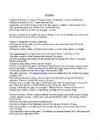
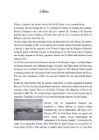
Tallinn Tallinn, the capital of Estonia Locates in Estonia the biggest lakes: Lake Ülemiste and Lake Harku population about 400 000 people occupies a surface of 159.2 km2 History It is thought that Tallinn is about 4500-5500 years old Click to edit Master text styles The Estonians established a Second level settlement in Toompea Third level The Estonians have been in Fourth level Fifth level a battle with Danes, Russians and Swedes Sightseeing Many interesting museums: Click to edit Master text styles KUMU, Ahha Second level the Old Town Th...
Tallinn's Old Town Tallinn is the largest and the capital city of Estonia. Tallinn occupies an area of 159 km2. It's situated on the northern coast of the country. Tallinn's Old Town has been listed among the top 10 digital cities in the world.It is not easy to determine the beginning of Tallinn history. The location probably attracted attention as a suitable port area. Many countries have ruled Estonia, for example Denmark, Sweden, Russia, Germany. Upper Town has always been the seat of whatever power that has ruled Estonia. The Lower Town has been demaged.
Pirita Convent Anete Samelselg 10th grade About the convent It was founded by St. Birgitta in 1412 and consercrated in 1436. The area is 1360 square meters. It was the biggest church building in the Middle aged Estonia. Name Pirita is orginated from St. Birgitta. The idea and construction The history of the the Pirita Convent dates back to the 15 century. The idea to found a convent in Tallinn, the capital of Estonia, was initiated by some Tallinn merchants already in 1400. Building plot was donated from Livonian Order. The building were built in two different parts. One for nuns and one for monks. Church in the middle and it was used by both. St. Birgitta rules In the convent have to live both - nuns and also monks. Nuns and monks were seperated and did not see each other at all. The Convent could not have more than 85 members 60 sisters and 25 brothers. The leader of the co...
Official name: Republic of Estonia Territory: 45 227 km Population: 1 342 000 Official languafe: Estonian Largest ethnic groups: Estonians 68%, Russians 26%, Ukrainians 25, Belarussians 1%, Finns 1% Capital of Estonia: Tallinn Number of islands: 1 521 Highest point: Suur-Munamagi (Great Egg Hill) 318 m Religion: Lutheran Currency: Estonian Kroon (EEK),1 EUR = 15,65 EEK Estonia has two Independence Days - Estonia first achieved independence from the Soviet Union on the 24th February 1918 and again on the 20th August 1991 after 51 years of occupation. The second date is known as the Restoration of Independence Day The Estonian language belongs to the Finno-Ugric group and is most similar to Finnish Estonia was the first country in the world to introduce online political voting Estonia won the Eurovision Song Contest in 2001 with the song Everybody There are over 1500 Islands, 1000 lakes and 7000 rivers in Estonia Chess Grandmaster Paul ...
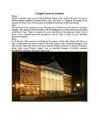
ESTONIA ·Republic of Estonia is a country in Norhern Europe. Our president is Toomas Hendrik Ilves ·Territory of Estonia is 45,227 ( square kilometer) km² ·Population is 1.4 million. Estonia is one of the least-populous members of the European Union. ·The capital and largest city is Tallinn wich is in North-Estonia ·We are special because we have own language estonian ·Estonia is bordered to the north by the Gulf on Finland, to the west by the Baltic Sea, to the south by Latvia and to the east by Russian Federation ·Estonia is divided into 15 counties (maakond) ·In Estonia are 33 cities and several town-parish towns in the country. More than 70% of the population lives in towns. ·Estonia has summer capital it's Pärnu, autum capital it's Türi, winter capital it's Otepää ·The Estonia Theatre is an opera house and concert hall in Tallinn . It was built on 1913 ·The oldest records of...
Cities of Estonia The capital of Estonia is Tallinn, most famous for its Old Town. The Old Town was built in the 13.-16th centuries. You can still feel the spirit of medieval times, when you are visiting The Old Town. The second biggest city of Estonia is Tartu. Tartu is the educational centre of Estonia. It is home to the largest and oldest university in Estonia, the University of Tartu. The University of Tartu first opened it`s doors in 1632. Through Tartu flows the second biggest river in Estonia, Suur Emajõgi ( Big Mother River). Pärnu is the summer capital of Estonia. It is located in south west Estonia on the coast of Pärnu bay. Pärnu is popular with the tourists for its spas and beautiful beaches. Otepää is known as the winter capital of Estonia. With its hilly terrain it is the perfect place for winter sports. There are many tracks for snowboarders, mountain and cross country skiers. Not far from Otepää is th...
Estonian cities Tallinn is the capital and largest city of Estonia. It occupies an area of 159.2 square kilometers with a population of 413,000. It is situated on the northern coast of the country, on the banks of the Gulf of Finland, 80 km south of Helsinki, east of Stockholm and west of Saint Petersburg. Tallinn was founded in the 12th century and has been under the rule of Denmark, Sweden, and Germany as well as Russia, and all left their mark on the city's architecture. It is one of the best preserved medieval towns in northern Europe, and makes a beautiful impression from the sea, with its ancient city walls, church spires, and red-tile roofed homes. Tallinn has previously been named as Kolõvan, Lindanise and Reval. Most well-known sights in Tallinn are Freedom Square, Kadriorg Palace, Rotermann Quarter, Tallinn Song Festival Grounds, Toompea Castle and Town Hall Square, the Old Town of Tallinn and many more. Tallinn's Old Town i...
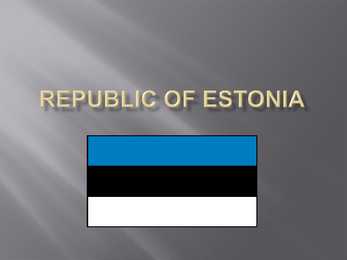
Report on Estonia Estonia is a country in northern Europe. Estonia has land borders in the south with Latvia and in the east with Russia, it's oversea neighbours are Finland and Sweden. Estonia has got 15 counties. Estonia has been an independent country since 1991. Tallinn is the capital city of Estonia. Estonia is a member of European Union nad NATO. Estonia is a democratic republic and it's president is Toomas Hendrik Ilves. The official language of Estonia is Estonian, which is Finno-Ugric language and has many similarities with Finnish. The population of Estonia contains mainly Estonians but some Russians and other ethnicities too. Many foreign people think of Estonia as an old-timed soviet union country, but in my opinion Estonia is quite far-advanced country. Estonian national symbols are cornflower, slate, swallow and it's blue-black-white flag. There is very high level of education in Estonia, m...
Võnnu Keskkool ESTONIA Referaat Autor: Klass : 9 Juhendaja: Võnnu 2013 Estonia officially the Republic of Estonia, is a state in the Baltic region of Northern Europe It is bordered to the north by the Gulf of Finland, to the west by the Baltic Sea, to the south by Latvia and to the east by Lake Peipus and Russia.Across the Baltic Sealies Sweden in the west and Finland in the north. The territory of Estonia covers 45,227km2 The Estonian climate resembles that of other countries on the Baltic littoral. On account of the country's proximity to the sea, the skies are often cloudy, and rain often falls in the spring and autumn, in the winter the rain turns to snow. The highest point in Estonia is Suur Munamäg It is in fact the highest point in the Baltic region Forest cover over one half of Estonia. The most common types of tree are pine, spruce and birch. Estonia, along...
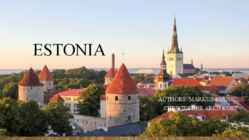
ESTONIA AUTHORS: MARKUS KUUSE, CHRISTOFHER ARKO KÖST FACTS ABOUT ESTONIA • Estonia is about 50% forest • Estonia has over 2000 islands • Estonia was the first country in the world to use online political voting. HISTORY • Humans settled in the region of Estonia near the end of the last glacial era • In the Middle Ages, Estonia became a battleground for centuries where Denmark, Germany, Russia, Sweden and Poland fought their many wars • Estonians declared their independence in February 1918 RECENT HISTORY • In 1940, the Soviet Union occupied Estonia • Nazi Germany occupied Estonia in 1941; later in World War II the Soviet Union reoccupied it (1944). GEOGRAPHY • The two largest islands are Saaremaa and Hiiumaa • The highest point in Estonia is Suur Munamägi ESTONIA CITIES • Capital: Tallinn • Tartu • Pärnu TALLINN • The capital of Estonia • Reval, Lindanise • Old town TARTU • Second larg...
Estonia is a pretty small country in northern Europe. Estonia has land borders in the south with Latvia and in the east with Russia, it's oversea neighbours are Finland and Sweden. Estonia divided into fifteen counties. Estonia has been an independent country since 1991. Tallinn is the capital city of Estonia. It's not very large, there lives about 400 000 pedestrians. Estonia is a member of European Union and NATO. Estonia is a democratic republic and it's president is Toomas Hendrik Ilves. The territory of Estonia covers 45,227 km² and is influenced by a temperate seasonal climate. The surface there is mainly flat, but in the southern parts of Estonia it gets little bumpy. The official language of Estonia is Estonian, which is Finno-Ugric language and has many similarities with Finnish. The population of Estonia contains mainly Estonians but some Russians and other ethnicities too. Many foreign people think of Estonia as an old-timed...
Estonia Anna-Kaisa Adamson Estonia, officially the Republic of Estonia, is a state in the Baltic region of Northern Europe. It is bordered to the north by the Gulf of Finland, to the west by the Baltic Sea, to the south by Latvia, and to the east by the Lake Peipsi and the Russian Federation. The territory of Estonia covers 45,227 km2. The capital, Tallinn, has around 400000 inhabitants.Tallinn's ability to blend medieval architecture with Scandinavian modernity with all the comforts you'd expect from a modern, competitive and innovative capital. Estonian language, does not belong to the Indo-European group. It belongs to the Finno-Ugric language family, which also includes Finnish and Hungarian. Estonian dialects are divided into two groups, Northern and Southern, usually associated with biggest cities of those regio...
Tartu Tartu is the second largest city of Estonia. In contrast to Estonia's political and financial capital Tallinn, Tartu is often considered the intellectual and cultural hub, especially since it is home to Estonia's oldest and most renowned university. Situated 186 km southeast of Tallinn, the city is the centre of southern Estonia. The Emajõgi river, which connects the two largest lakes of Estonia, crosses Tartu. The city is served by Tartu Airport. Tartu is also the seat of the Estonian University of Life Sciences, the Baltic Defence College, Estonian Aviation Academy , and the Estonian Ministry of Education and Research. Other notable institutions include the Supreme Court of Estonia (re-established in Tartu in autumn 1993), the Estonian Historical Archives and Estonian national theatre Vanemuine. Historical names of the town include Tarbatu,an Estonian fortress founded in the 5th century,Yuryev named c. 1030 by Yaroslav I the ...
What might attract foreigners to Estonia? Estonia is a small country in Nothern Europe, but it is visited by people all over the world. One of the things that definitely attracts people is the seasons. There are four seasons in Estonia- spring, summer, autumn, winter. I think they make Estonia very special. Another thing is the climate. It is not too cold in winter or too warm in summer. Winters are usually snowy and you can go skiing and ice skating. In the summer you can enjoy days at the beach. The capital city of Estonia is Tallinn, which has a very beautiful Old Town. Pärnu is the summer capital, which attracts people with its beautiful beach. There are a lot of isalands, lakes and rivers in Estonia. Saaremaa is the biggest island, and it is very beautiful. Saaremaa has a lot of places to visit like Angla's Windmill park, different churches, camping places. Hiiumaa is another island, but it is smaller than Saare...
Capital punishment should be abolished Capital punishment is a form of punishment where a person's life is taken. Capital punishment has been abolished in Estonia since the year 1998, but the last man was executed in 1991. One of the reasons for not abolishing capital punishment are that a life long sentence is not as effective as execution, and that the death penalty affirms the right to life by punishing those who violate it in the most serious form. For example: death penalty should exist for serial killers. Another reason is that the criminals who would have been executed are now the country's responsibility and they use taxpayers' money. On the other hand, capital punishment is very inhumane. After the execution new evidence may appear and the criminal might turn out to be innocent but there is nothing to do because we can not bring back the dead. Another reason for abolishin...
Estonian geography The territory of Estonia covers 45,227 km2. Estonia is situated in the Baltic Region of Northern Europe. It is bordered to the north by the Gulf of Finland, to the west by the Baltic Sea. Its neighbor countries are to the south Latvia, to the east Russia, to the north and over the Gulf of Finland, Finland and to the west and over the Baltic Sea, Sweden. Most of the lowland areas are in the middle of Estonia. Average elevation reaches only 50 meters and the country's highest point is the Suur Munamägi in the southeast at 318 meters. There is 3,794 kilometers of coastline marked by numerous bays, straits, and inlets. The number of islands and islets is estimated at some 1,500. Two of them are large enough to constitute separate counties: Saaremaa and Hiiumaa. A small, recent cluster of meteorite craters, the largest of which is called Kaali is found on Saaremaa, Estonia. Estonia h...
Cities and towns of Estonia Facts 47 cities/towns Almost 50% forest In 2011 Tallinn was the European Capital of Culture Has over 1,500 islands Tallinn Capital of Estonia Old town Businesses Park Kadriorg TV tower Open-air museum Zoo Estonia Theatre Tartu University Old town AHHAA science centre Aura water park & SPA Art and history museums Vanemuine Theatre Pärnu Captial of summer Beach SPA hotels Tallinn gate Endla Theatre Viljandi Sild Viljandi Lake Ruins of the Viljandi Order Castle Ugala Theatre Rakvere Rakvere Castle Modern central square Aqua SPA hotel Rakvere Theatre Haapsalu Episcopal Castle Legend of the White Lady Estonian Railway Museum Beaches Thanks for watching!
ESTONIAN UNIVERSITY OF LIFE SCIENCES Institute of Economics and Social Sciences BOOK REVIEW ("Foreign direct investments in the Estonian economy", University of Tartu, Urmas Varblane) (Pages : 10 20) Prepared: Kadri Tamm, MF-I-5 Tartu 2007 I read book about direct investments in the Estonian economy. The book is issued by University of Tartu and the writers are also scientists from University of Tartu. "Foreign direct investments are relatively new phenomenon for Estonia because during the nearly five decades as part of the Soviet economic system, our economy received virtually none. Such economic isolation from the West lasted until the early 1990s. In consequence of the mid-...
Tallinn The first traces of human settlement found in Tallinn's city center by archeologists are about 5000 years old. In 1050 the first fortress was built on Tallinn Toompea.[3] In 1285 the city became the northernmost member of the Hanseatic League. Medieval Tallinn enjoyed a strategic position at the crossroads of trade between Western and Northern Europe and Russia. On 24 February 1918, the Independence Manifesto was proclaimed in Tallinn, followed by Imperial German occupation and a war of independence with Russia. On 2 February 1920, the Tartu Peace Treaty was signed with Soviet Russia, wherein Russia acknowledged the independence of the Estonian Republic. Tallinn became the capital of an independent Estonia. After World War II started, Estonia was occupied by the Soviet Union (USSR) in 1940, and later occupied by Nazi Germany from 1941–44. After Nazi retreat in 1944, it was occupie...
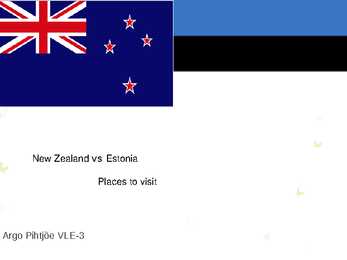
New Zealand vs Estonia Places to visit Argo Pihtjõe VLE-3 Some facts: Full name: Republic of Estonia Full name: New Zealand Population: 1.3 million (UN, 2010) Population: 4.3 million (UN, 2010) Capital: Tallinn Capital: Wellington Area: 45,227 sq km (17,462 sq miles) Area: 270,534 sq km (104,454 sq miles) Major languages: Estonian Major languages: English, Maori Major religion: Christianity Major religion: Christianity Life expectancy: 69 years (men), 79 Life expectancy: 79 years (men), 83 years (women) (UN) years (women) (UN) Monetary unit: euro Monetary unit: 1 New Zealand dollar Main exports: Machinery, textiles, wood ($NZ) = 100 cents products Main exports: Wool, food and dairy GNI per capita: US $14,060 (World...
What Might Attract Tourists to Estonia? Despite Estonia being a little country, it still manages to attract thousands of tourists to visit that beautiful place. One of many virtues in Estonia is its nature. We have amazing virgin forest, may little islands, different landscapes, a lot of lakes and small rivers where you can go hiking. We also have towns that are worth visiting. For example our capital Tallinn, which has an amazing old town. Also Tartu is very beautiful, known as the capital of University. Smaller towns, like Otepää, Võru, Põlva may charm you with their scilence and calmness. During the summer, there are very many cultural events to visit. For example, the Folk Festival in Viljandi, Rabarock in Järvakandi, Opera Days in Pärnu, different open-air plays etc. In conclusion, in Estonia you can never be bored, because that little country has something to offer to everybody.
Largest towns in Estonia Tallinn Tallinn is located at the coast of Gulf of Finland. Tallinn is the capital of Estonia. It is one of the best retained medieval European towns. The ,,Old Town" is located at the middle of the city and the Town Hall is the best-preserved Medieval town hall in Northern Europe. Tartu The university town, museum-rich and Hanseatic city of Tartu lies on the banks of the River Emajõgi. The capital of sothern Estonia is the second largest city in the country and the oldest in the Baltic States. Tartu is a modern city with a rich historical heritage and culture. One of Tartu ´s most important historical monuments is the St. John´s Church with it´s thousand terracotta sculptures. Narva As In the past, Narva remains a melting pot for nations, periods and cultures, old and new. This is what makes the town so special. The 13th century castle, a beautiful baroque Town Hall, the best pres...
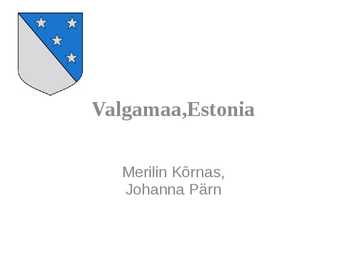
Valgamaa,Estonia Merilin Kõrnas, Johanna Pärn Location It´s in the south of Estonia and Valga´s city is next to the Latvian border. It´s next to Tartu , Viljandi , Põlvamaa , Võrumaa county . History of Valgamaa Back in 1783 counties 9 parishes from 11 were on Latvian area , only small pieces of Valgamaa`s 11 parishes Luke and Härgmäe were on Estonian area. were: Valgamaa´s people spoke Latvian. Koivaliina Härgmäe Luke Aluliina Apekalns Palsmane-Aumeisteri Gulbene Smilt...
Latvia Capital city: Riga Total area: 65 000 km² Population: 2.3 million Language: Latvian Latvia, officially The Republic of Latvia, is a country in the Baltic region of the Nothen Europe. The country has a temperate seasonal climate. Latvia and Estonia share a long common history. As a consequence of the Soviet occupation both countries are home to a large number of ethnic Russians (26.9% in Latvia and 25.5% in Estonia). Latvia was found on 18th November 1918. However, its independence was interrupted at the outset of World War II. In 1940, the country was forcibly incorporated into the Soviet Union, invaded and occupied by Nazi Germany in 1941, and re-occupied by the Soviets in 1944 to form the Latvian for the next fifty years. The peaceful Singing Revolution, started in 1987. Lithuania Capital city: Vilnius Total area: 65 200 km² Population: 3.5 milion Language: Lithuanian Lithuania, officially The Republic of Lithuania, ...
Estonia Tjorn Treu KP-31 Information · Area- 45,227 km2 · Population- 1,282,963(2011 july) · Location- Baltic Region of Northern Europe · Capital- Tallinn · Main cities- Tallinn,Pärnu,Tartu,Narva · Official Language- Estonia · Political structure- democraic republic National symbols Flag- Coat of arms- Anthem-"My Fatherland, My Happiness and Joy,, Plant-cornflower Bird-chimney swallow Stone-slate Tree- Oak History DATES Independence Day (Iseseisvuspäev) - February 24 May Day (kevadpüha) - May 1 National Flag Day (Eesti lipu päev) - June 4 Victory Day (võidupüha) - June 23 St. John's Day (Jaanipaev) - June 24 Day of Restoration of Independence (taasiseseisvumispäev) - August 20 history EVENTS Viljandi Folk Music Festival - July Ollesummer (Beer Summer) July The All-Estonian Song Festival (Laulupidu) takes place every five years in Tallin...
Tallinna Lillekyla Gymnasium Report Tallinn in the 20th century Student: ------------ Supervisor: --------------- Tallinn 2008 Table of Content Table of Content..........................................................................................................................2 Introduction .....................................................................................................................................................3 Beginning of 20th century...........................................................................................................4 Independent Estonia (1918-1940) ...............................................................................................................................................
Tallinn Tallinn is situated on the southern coast of the Gulf of Finland, in north-western Estonia. A limestone cliff runs through the city. It is exposed, for instance, at Toompea and Lasnamäe. However, Toompea is not a part of the cliff, but a separate hill. Coastline is 46 kilometres long.The highest point of Tallinn, at 64 meters above the sea level, is situated in the district of Nõmme, in the south-west of the city. The first human steps, that archeologists found, are about 5000 years old. Tallinn`s first fortress was built in Toompea, in 1050. As an important port for trade between Russia and Scandinavia, it became a target for the expansion of the Teutonic Knights and the Kingdom of Denmark during the period of Northern Crusades in the beginning of the 13th century when Christianity was forcibly imposed on the local population. Danish rule of Tallinn and Northern Estonia started in 1219. In 1285...
Topic Estonia, Tallinn The Republic of Estonia is the northernmost of the three Baltic States on the eastern shore of the Baltic Sea. To the east Estonia borders on Russia and Lake Peipsi and on the south on Latvia. The area of Estonia is 45 100km2, its coastline is 774km long. The geography of the land is surprisingly varied. Islands make up 9,2 per cent of Estonian's total territory, the largest islands are Saaremaa, Hiiumaa and Vormsi. The highest point is Suur Munamägi, which is 317m high. Estonia has a surprisingly mild climate for an area so far north. Sea winds keep the weather from becoming very cold or hot. The population of Estonia is 1.5 million. Of this number 62 per cent are Estonians. Estonians speak the Estonian language, which is closely related to Finnish. Estonia's flag has three horizontal stripes. The blue stripe at the top of the fla...
Estonia Estonia, officially the Republic of Estonia, is a state in the Baltic region of Northern Europe. It is bordered to the north by the Gulf of Finland, to the west by the Baltic Sea, to the south by Latvia, and to the east by Lake Peipus and Russia. Across the Baltic Sea lies Sweden in the west and Finland in the north. The territory of Estonia covers 45,227 km 2, and is influenced by a humid continental climate. The Estonians are a Finnic people, and the official language, Estonian, is a Finno-Ugric language closely related to Finnish, and distantly to Hungarian and to the Sami languages. The population of Estonia is 1.5 million. Of this number 62 per cent are Estonians. The geography of the land is surprisingly varied. Islands make up 9,2 per cent of Estonian’s total territory, the largest islands are Saaremaa, Hiiumaa and Vormsi. The highest point is Suur Munamägi, which is 317m...
Estonia Estonia is small but beautiful country in the east of Europe. Estonia area is about 45 thousand km2 and there is living about 1,4 million people. Estonia is very developed country in IT clime. Example in our country you can choose parliament through the internet. Estonia has a lot of forest. Almost half of Estonia terrestrial has capped with forest. Estonia is washed and influenced by the Baltic sea from west and the Gulf of Finland in the North. Estonia has very good geographical location. This gorgeous country is European union east border (since May 2004). Estonia is quite low country. The highest peak is 316 meter high. It is called Munamägi, and it lies in east of Estonia. Estonia has over the thousand lakes. The biggest lake is Peipsi, which separates Estonia from Russia. The biggest rivers are the river Pärnu and the river Võhandu. The main lowland areas are in west Estonia. Estonia has ...
Estonia Estonia, officially called the Republic of Estonia is a small country in Northern Europe. It has land borders with Latvia in the south and Russia in the east. It is separated from Finland in the north by the Gulf of Finland and from Sweden in the west by the Baltic Sea. The capital of Estonia is Tallinn, it's also the biggest city we have. The national flag of Estonia is a tricolour: horizontally blue, black and white, called "sinimustvalge". The President of Estonia is Toomas Hendrik Ilves and the Prime Minister is Andrus Ansip. Estonia has been occupied several times during its history. The last occupiesation happened 16 June 1940 and it was declared 20 August 1991. Republic of Estonia has only one offical language - the Estonian language. Estonia is a constitutional democracy, with a president elected by its parliament. The elections are held every four years. Estonia became a member of the European Union 1 May 2004 and NATO...
The Republic of Estonia is a country in Northern Europe. The territory of Estonia covers 45,227 km2 . Tallinn is the capital and largest city of Estonia.The city is an important industrial, political and cultural center, and seaport Estonia is a democratic parliamentary republic and is divided into fifteen counties. Estonia is one of the least-populous members of the European Union. Estonia lies in the northern part of the temperate climate zone Estonia has four seasons of near-equal length. The official language is Estonian.Võro and Seto in southern counties are spoken along with Estonian. The Estonian national flag is a tri-color- blue, black and white. The national currency is the Eestonian kroon. Estonia has over 1,400 lakes. Most are very small, with the largest, Lake Peipsi being 3,555 km² .There are many rivers in the country. The longest of them are Võhandu (162 km), Pärnu (144 km), and Põltsamaa (135 km).Estonia has numerous f...
Arti Hunt IT-14E The Republic of Estonia is a country in Northern Europe. Estonia is located on the eastern coast of the Baltic Sea. The capital of Estonia is Tallinn Estonia has an area of 45 227 km2 In Estonia, there are about 1 340 021 people The colours of Estonian flag are blue, black and white National flower is cornflower National bird is swallow National stone is limestone National anthem is ,,Mu isamaa , mu õnn ja rõõm’’ National Coat of Arms is a golden shield which includes three lions in the middle, with oak branches along the side of the shield. Estonia has 1521 islands and the biggest of them are Saaremaa and Hiiumaa. Estonia is divided in to 15 different counties. The biggest cities in Estonia are Tallinn, Tartu , Pärnu, Narva In Tartu there is the biggest and oldest University in Estonia Suur Munamägi is the highest peak of Estonia and also in the Balti...
The Republic of Estonia Estonia officially the Republic of Estonia is a country in the Baltic region of Northern Europe. It is bordered to the north by Finland across the Gulf of Finland, to the west by Sweden across the Baltic Sea, to the south by Latvia and to the east by the Russian Federation. The territory of Estonia covers 45,227 km² and is influenced by a temperate seasonal climate. Estonia is a democratic parliamentary republic and is divided into fifteen counties. The capital and largest city is Tallinn. With a population of only 1.4 million, it is one of the least- populous members of the European Union. Estonia was a member of the League of Nations from 22 September 1921, has been a member of the United Nations since 17 September 1991, of the European Union since 1 May 2004 and of NATO since 29 March 2004. Estonia has also signed the Kyoto protocol. Estonia regained its ind...
Estonia Estonia is a country in Eastern Europe. It's a small country beside the Baltic Ssea. Our neighbours are Finland, Russia, Latvia and Sweden. Estonia's surface area is 45,227 square kilometres wide. The population of Estonia is around 1,34 million people. We have four seasons in Estonia. The air is very humid and it rains quite often, especially in spring and autumn. We usually have long winters and plenty of snow, but sometimes we haven't even had snow. Summers are is mostly warm and beautiful in Estonia. Estonia is well known for it's amazing countryside. We don't have any big mountains, but we do have over a thousand islands and over a thousand lakes that are worth seeing. One fifth of Estonia is covered by wetlands and almost one forth of the territory is forested. We also have four spectacular national parks and more than 50 nature reserves. The capital of Estonia is Tallinn...
Two very different towns of Estonia I would like to write about two very different towns of Estonia. One is Paide and the second is Tallinn. These cities for most people, would be quite incomparable, but if you really are interested in Estonian culture, then you most certainly have to visit them both. Paide most often described as the center of Estonia, is one of the most historic cities in Estonia as its first mentioned in the writings as early as 1265, also it was one of the first cities in Estonia to receive ,,city" title as early as 1295.. Many would say that the city, now, is rather an rundown than an touristy city, but I most certainly believe that maybe although this city isn't even nearly close to being cosmopolitan it is one of the most interesting cities. It is nearly impossible to write about what's fascinating in Paide, but everyone who is interested in Estonia should really consider g...
Tallinna Inglise Kolledz Estonia Topic Alice Tärk, 9b Tallinn 2007 FACTFILE Area: 45 228 sq km Poplulation: under 1.4 million Capital: Tallinn Language: Estonian Currency: Eesti kroon (EEK) Main religion: Lutheran National holiday: 24 February (anniversary of the republic) National flower: Cornflower National bird: Barn Swallow National stone: Limestone LOCATION The Republic of Estonia is the northernmost and smallest of the three Baltic States. It is located on the eastern shores of the Baltic Sea in the north east of Europe. To the east the country borders Russia. Latvia is the countries neighbour to the south. From the west the coast of Estonia is washed by the Baltic Sea and from the north by the Gulf of Finland. The length of the coastline is approximately 3 800 km. The longest distance from east to west is 350 km, while nort...
Estonia Estonia is a little country in Northen Europe. Estonia is borderd by the Baltic Sea and Gulf of Finland, it's between Latvia and Russia. Its geographic coordinates are 59 North 26 Eeast. Estonias capital is Tallin, it is situated in the North of Estonia. Estonias mainland terrain is flat, boggy, and partly wooded, offshore lie more than 1,500 islands. From the north flat and from the east is Estonia hilly. It's highest peak is Suur Munamägi(318 m). Sometimes flooding occurs in the spring in Estonia. It's biggest lakes are Lake Peipsi and Lake Võrtsjärv. It's biggest islands are Saaremaa and Hiiumaa. In Estonia there is 26.5% arable land, 0.35% permanent crops and 73.15% other land. Natural resources in Estonai are oil shale, peat, phosphorite, clay, limestone, sand, dolomite, arable land, sea mud. The population of Estonia is about 1,341,000 people. Estonia, as a new member of the Wor...
What Might Attract Tourists to Estonia? What might attract tourists to Estonia? Definately sightseeing. Estonia is a beautiful country and theres alot to see. Tallinn is the most popular place for tourists to visit. Tourists will also like the friendly people of Estonia, and ofcourse they will like the beautiful girls in here too. Tallinn, as the capital of Estonia, has alot of tourist attractions. For instance tourists can take tours in Tallinn or visit the Old town and its colorful shops. In Tallinn tourists can see the beautiful Kadriorg park with its Swan Pond and the Baroque Catharina Palace. Not far from Kardiorg is the Song Festival Grounds. In Pirita they can see the Forest Cemetery, where many important Estonian public figures are buried. Tourist can also visit the ruins of St.Brigitta's Convent in Pirita, Maarjamae Palace, Russalka and the Memorial Monument of Estonia's Shipwreck. Popular places where tourists go are also ...
Estonia is located in the Northern Europe and is a state in the Baltic region It is bordered to the north by the Gulf of Finland, to the west by the Baltic Sea, to the south by Latvia, and to the east by Lake Peipus(Peipsi) and the Russian Federation.Estonia also has a number of islands: Saaremaa and Hiiumaa, which are the most known are also the two biggest ones.The territory of Estonia covers 45,227 km2. There is 3,794 kilometers of coastline marked by numerous bays, straits, and inlets. The Republic of Estonia is divided into fifteen counties: Hiiumaa, Saaremaa, Läänemaa, Harjumaa, Lääne-Virumaa, Ida-Virumaa, Tartumaa, Jõgevamaa, Järvamaa, Raplamaa, Viljandimaa, Pärnumaa, Valgamaa, Põlvamaa and Võrumaa. The capital city of estonia is Tallinn. Estonia is influenced by a temperate seasonal climate. Estonia has four seasons of near-equal length. July is the warmest month, and February is the coldest month. Snow cover, which is d...
Pros and Cons of the Capital Punishment. The death penalty is a controversial issue in most countries, but it is completely abolished in our country. Arguments for and against it are based on moral, practical, religious and emotional groups. On the one hand, there are advocates of the death penalty, who argue that it deters crime, improves community by making them sure, that convicted criminals would never find their way out onto the streets to offend again and it is cheaper than keeping convicted criminals in high security prison for the rest of their natural lives. On the other hand, there are opponents of the death penalty claim that `capital punishment cheapens human's life and government on the same low moral level as criminals who have taken life.` personally, I strongly support this idea. I think, that the government must be smarter and invent some kind of punishment, that would satisfy the wishes of the families and friends...
Estonia is a state in the Baltic region of Northern Europe. It is bordered to the north by the Gulf of Finland, to the west by the Baltic Sea, to the south by Latvia (343 km), and to the east by Lake Peipus and Russia (338.6 km). Across the Baltic Sea lies Sweden in the west and Finland in the north. The territory of Estonia covers 45,227 km2 (17,462 sq mi), and is influenced by a humid continental climate. The Estonians are a Finnic people, and the official language, Estonian, is a Finno-Ugric language closely related to Finnish, and distantly to Hungarian and to the Sami languages. Estonia is a democratic parliamentary republic divided into fifteen counties, with its capital and largest city being Tallinn. Estonia's population of 1.3 million makes it one of the least-populous member states of the European Union, Eurozone and the North Atlantic Treaty Organization. A developed country with an advanced, high-income economy, Estonia has ...
Estonia officially the Republic of Estonia, is a country in the Baltic region of Northern Europe. It is bordered to the north by the Gulf of Finland, to the west by the Baltic Sea, to the south by Latvia and to the east by Russia. Across the Baltic Sea lies Sweden in the west and Finland in the north. The territory of Estonia covers 45,227 km2, and is influenced by a humid continental climate. Estonia is a democratic parliamentary republic divided into fifteen counties, with its capital and largest city beingTallinn. With a population of 1.3 million, it is one of the least-populous member states of the European Union. The Estonians are a Finnic people, and the official language, Estonian, is a Finno-Ugric language closely related to Finnish The history of Estonia is a part of the history of Europe. Estonia was settled near the end of the last glacial era, beginning from around 8500 BC. Before the Germans invaded in the 13th century pro...
The area of Estonia is 45 227 sq km it's bigger than Denmark, Switzerland and Holland. Population an estimated 1 364 100 people and 30 people per sq km. Capital of Estonia is Tallinn. Population in Tallinn is about 397 150 people over a third of the nation. The biggest cities are Tartu, Narva and Pärnu. 70% of Estonians live in towns. All of the towns are old. · Estonia has 7000 rivers and streams. · Forests comprise slightly under half on Estonia's territory. · Scots pine, spruce, birch, aspen and alder are the most popular in the forest. · There are also a lot of animals: elks, roe deers, boars, brown bears, wolves etc. · About 10% of Estonia is a nature reserve. Estonians speak Estonian. It is used as a mother tongue by just under 1.1 million people. Estonian is one of the world's smallest cultural lan...
Kuressaare Marita-Mary Taaler Saku Gümnaasium, 7b Kuressaare • Kuressaare is a town and a municipality on Saaremaa island in Estonia. It is te capital of Saare County and the westernmost town in Estonia. • The city, located at the Livonia Bay, has territory of about 15 sq.km and a population of about 15 000. • The city is situated on the coast of the Gulf of Riga. Kuressaare Kuressaare castle • Saaremaa Museum is one of the oldest (founded in 1865) and biggest museums in Estonia and is visited by 70-80 thousand people every year. • At the heart of the museum is an episcopal castle built during the 14th and 15th. Kuressaare castle History • Kuressaare first received its town charter in 1563 under the Danish rule. • Kuressaare first appeared on maps around 1154. Used literature • Wikipedia.org • Google.com • Estlandia.de •...
Estonia Location Estonia officially the Republic of Estonia is a state in the Baltic region of Northern Europe. It is bordered to the north by the Gulf of Finland, to the west by the Baltic Sea, to the south by Latvia and to the east by the Lake Peipsi and the Russian Federation. Across the Baltic Sea lies Sweden in the west and Finland in the north. Size and population The territory of Estonia covers 45,227 km2 Estonian population is 1.34 million Largest cities of Estonia 1. Tallinn (Estonian capital city) 2. Tartu 3. Narva 4. Kohtla-Järve Tallinn Tartu Narva Kohtla-Järve Largest islands of Estonia There are 1521 islands. 1. Saaremaa 2. Hiiumaa 3. Muhu 4. Vormsi Hiiumaa Saaremaa Vormsi Muhu Longest river of Estonia 1. Võhandu 2. Pärnu 3. Põltsamaa Võhandu river Põltsamaa river Pärnu river Estonian seasons There are four se...
GEOGRAPHY Estonia lies of the eastern coast of the Baltic sea. Total area of Estonia is approximately 45000 square kilometer and the population is about 1.5 million . Estonia is one of the most sparsely populated country in Europe. With 35 people per square kilometer. Nearly 1/3 of the nation live in the capital Tallinn. Along the coast of Estonia lies many bays and peninsulas. Lots of islands lie off the west- and north coast. The largest of them are Saaremaa and Hiiumaa. Geographically Estonia can be divided into 4 parts: North-, South-, West-, and East-Estonia. North-Estonia is relatively flat. Here is a nice coastline with coves, capes and a high coast. South-Estonia is more hillier, but there aren't any mountains or mountain ranges. The highest peak in Estonia is Suur Munamägi and its 318m above sealine. The largest industrial areas are situated in East-Estonia. There are beautiful nature parks in Wes...
Kildu Basic School Viljandi by Eisi Kõiv Supervisor: Margit Kirss Kildu 2008 Our 700 years old Viljandi Viljandi is a town (24,000 inhabitants) in Estonia, 160 km south of the capital Tallinn. The town is the administrative capital of the county with the same name as the town. In Viljandi there is theater Ugala, cinema Rubiin, museum, art gallery. Give a concert in Culture centre, Jaani- and Pauluse church, but in Cultureacatemy, too. Folk Summer in Viljandi culminates with the annual folk music festival. The Viljandi Folk Music Festival is a music festival in Estonia with a central focus on European folk music.In the year 2006, over 24,000 people attended the concerts, but many more just came to take part in the festivities. As such, it is the largest annual music festival in Estonia, and one of the largest folk music festivals in Europe. Lake Viljandi Viljand...
Estonia, Hiiumaa & School Ken Pähn Kärdla Gymnasium 11th grade Estonia Officialy the republic of Estonia Territory: 45 000 sq km Population: 1,3 million Capital: Tallinn 15 counties Language:Estonian Estonian Flag Coat of Arms Blue the blue sky above the native land. Black - the attachment to our black soil. White - hard work and purity. National emblems Barn swallow Corn flower National emblems limestone Estonia President: Toomas Hendrik European Union since 2004 Ilves Nato since 2004 Prime minster: Andrus Ansip United Nation since 1991 Democratic parliamentary republic Andrus Ansip Toomas Hendrik Il...
Introduction of Estonia The Republic of Estonia is beautiful country which is located in northeastern Europe, bordering the Baltic Sea on the west, the Gulf of Finland on the north, Latvia on the south, and Russia on the east. Estonia is the smallest of the Baltic countries. Administrative division: Estonia has an area of 45,226 square kilometers and Estonia is administratively divided into counties. There are 15 counties in Estonia. The capital is Tallinn which is located in Harjumaa. Counties are divided into 194 rural municipalities. Population: The population of Estonia was estimated at 1.34 million in January 2011, with a density of 30 persons per square kilometer. According to the last census the number of inhabitants has decreased. In 2010 the birth rate was 11,82 per 1,000 population, while the death rate was exactly the same, so population growth rate is 0%. The proportion of urban p...
 annaabi.ee