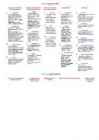
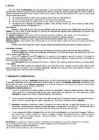
interaction of lexical and interaction of denotational interaction of primary circumlocution other cases contextual meaning and emotional meaning and secondary meaning 1. EPITHET 1. METAPHOR indicates individual 1. ZEUGMA 1. PERIPHRASIS 1. BATHOS based on similarity of 2 evaluation of sth. Logical "to join" w-d is use of longer spoiling the lofty effect. Function notions, hidden comparison attribute is non-evaluative in the same description instead of irony, humour.
Pealinna ta keisrina ei jõudnud. Sõjavägi, mis kaotas osa Caracalla poolt heldelt jagatud privileege, muutus rahulolematuks. Seda rahulolematust kasutasid ära Caracalla süürlastest sugulased, kes nägid võimalust panna troonile enda kandidaat. 8. juunil 218 pidasid süüria kandidaadi toetajad Macrinuse toetajatega maha lahingu. Viimased olid enamuse sõjaväe poolt hüljatuna vähemuses ja said lüüa. Macrinus püüti hiljem põgenemiskatsel kinni ja hukati Cappadocias. Samuti saadi Zeugma linnas kätte ja tapeti ta 10-aastane poeg. Caesar Marcus Aurelius Antoninus Augustus (203-11.03.222) Rohkem tuntud kui Elagabalus. Süüria päikesejumala El-Gebal'i ülempreestri Julius Bassianuse tütar ja Julia Domna vanem õde Julia Maesa (165-3.08.226) oli abiellunud Rooma kodaniku, ent Emesa (Homs) linnas üles kasvanud Gaius Julius Avitus Alexianusega ( 217). Alexianus oli teinud karjääri Rooma armees ja tõusnud hiljem senaatoriks ja konsuliks tänu oma naiseõe mehele Septimius
Galperin "Stylistics") 23. Newspaper style (I. Galperin "Stylistics") *- very bulky questions they will be split into several parts at the exam. FGI 1081 Stylistics (I. Ladusseva) 1 STYLISTIC TERMS: Understatement (nonce-words) Style Zeugma Common Coll. Voc. Stylistics Semantically false chain Special Coll. Voc.: The styl. of lg. Pun Slang The styl. of speech Periphrasis Jargon Denotation Simile Cant Connotation Euphemism Vulgarisms
death) Understatement--typical of the English language, important part of British humour. · Understatement which deliberately lessens the size or significance of something (he has just 5 words in his vocabulary) · Understatement which affirms something through denying its contrary. It is used when a person does not want to sound too categorical (He isn't very honest) 3) Stylistic devices based on the interaction of primary and secondary meaning Zeugma--a word (often a verb) stands in the same grammatical relation to 2 words or more. When applying to one of them, it has the direct meaning and when applying to the other word, it has figurative meaning (he opened the window and his heart to me). The effect is irony and humour. Pun--a play of words. The humorous use in 2 or more meanings or of words that sound alike but have different meaning [homonyms, polysemantic words] (What makes the tower of Pisa lean? It never eats.)
2. it is expressing an affirmation through the denial of its contrary. Understatement is an essential part of English humor (e.g. "He was just five words in his vocabulary." Affirming by denying: not bad = good.). The function of understatement apart from humor is not to sound too categorical. (8) III. Stylistic devices based on the interaction of primary and secondary meaning (Lexical Stylistic Devices) 1. Zeugma (from Greek "to join") - a word stands in the same grammatical relation to 2 words in the context (e.g. "He opened the window (direct) and his heart to me (figurative metaphorical)"). When it applies to the first word it has direct meaning, when to the other metaphorical. 2. Pun (play on words) the humorous use of a word in two meanings (polysemantic words) or the words that sound alike but have different meanings (homonyms) (e.g
 annaabi.ee