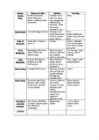
Region Important cities Industry Farming South Bristol, Weymouth, Cheddar cheese, sheep West Poole, Plymouth, cider, tin, stone, Exeter , Salisbury, Bath, clay, engineering, Gloucester ship building, electronics, food processing, computers, cars. South East Oxford,Reading,Windsor The largest oil Fruit
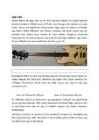
sel ajal Deluxe bassi nime all ning oli mõeldud mängima koos Fenderi Jazzmaster elektrikitarriga. Jazz bassil (kutsutakse ka J-bassiks) oli kaks ühemähiselist helipead, üks silla lähedal ning teine silla ja kaela lõpu vahel. J-bassi kael oli kitsam sadula juurest kui Precision bassi oma (1½ tolli J-bassil ning 1¾ tolli P-bassil). Fender alustas ka Mustang bassi tootmist, mille pikkuseks oli 30 tolli. Seda pilli kasutasid bassisid nagu Tina Weymouth bändist Talking Heads ning Bill Wyman The Rolling Stones'ist. Tänapäeval on basskitarride normaalpikkuseks 34 tolli, kuid see võib varieeruda mudelite ning tootjate vahel. Kuna Fender domineeris selle lühema bassiga turgu, valmistas Gibson konkurentsiks 1961. aastal basskitarri Gibson EB-3, mille pikkuseks oli 30.5 tolli. Seda pilli eelistas Jack Bruce ansamblist Cream. 1970-1979 1970ndate keskpaigani kasutas Gibson oma bassides Humbuckeri helipeade ning lühema kere
Mortimer - When he was 17 years old, he rose up against the regent, Mortimer, and started to reign the country himself Defeated Scotland and claimed himself the heir of France (the only descendant of Philip IV) Started the Hundred Years' War in 1337 In 1348, Black Death killed more than 1/3 of the population > financial problems Succeeded by his grandson Richard II in 1377 A sign dedicated to the plague of 1348 at the port of Weymouth The Black Death in medieval London Richard II is known for trying to establish absolutism in England - He managed to surpress the Peasants' Revolt, a rebellion of peasants, in 1381 while only 14 years old - The massive threat of their disobedience made the King wary and this lead to the strive for absolutism While the King was in Ireland, plotters were gathering forces against him
1349. In 1361-1362 the plague returned to England. The pandemic known to history as the Black Death entered England in 1348, and caused the death of between a third and more than half of the nation's inhabitants. The Black Death was the first and most severe manifestation of the Second Pandemic, probably caused by the Yersinia pestis bacteria. Originating from Central Asia, it arrived on the British Isles from the English province of Gascony. Its first point of entry was the port of Weymouth, where it was first reported in June 1348. It reached London in the autumn of that year, and by the next summer it had covered the entire country. By December 1349 the outbreak was mostly over. 3 Though accurate estimates of mortality are difficult to make, the recent trend has been to adjust the estimates upwards. This is the result of recent scholarship's focus on the peasant society which made up around 90% of the population rather than the greater landowners and the clergy
 annaabi.ee