 100 punkti
Autor soovib selle materjali allalaadimise eest saada 100 punkti.
100 punkti
Autor soovib selle materjali allalaadimise eest saada 100 punkti.
 ~ 12 lehte
Lehekülgede arv dokumendis
~ 12 lehte
Lehekülgede arv dokumendis
 2011-09-25
Kuupäev, millal dokument üles laeti
2011-09-25
Kuupäev, millal dokument üles laeti
 13 laadimist
Kokku alla laetud
13 laadimist
Kokku alla laetud
 0 arvamust
Teiste kasutajate poolt lisatud kommentaarid
0 arvamust
Teiste kasutajate poolt lisatud kommentaarid
 hanna1994
Õppematerjali autor
hanna1994
Õppematerjali autor
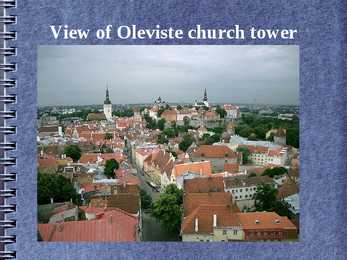
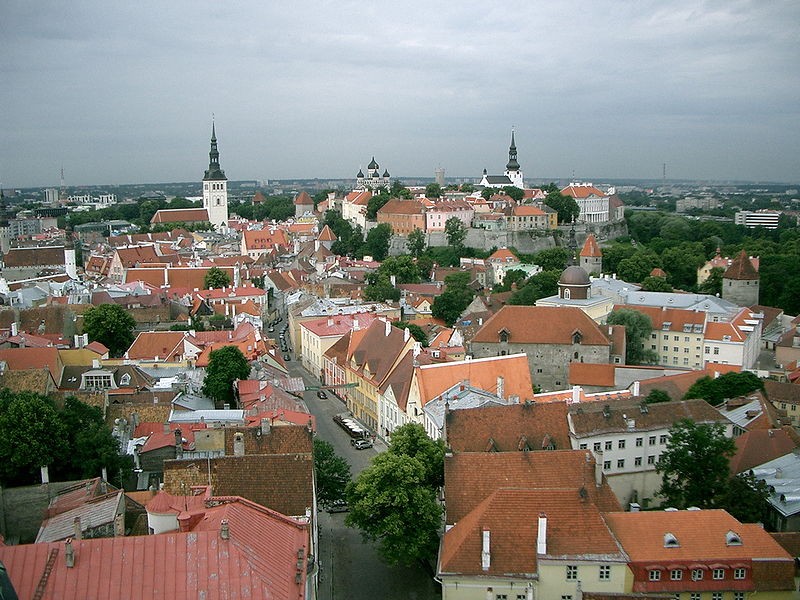
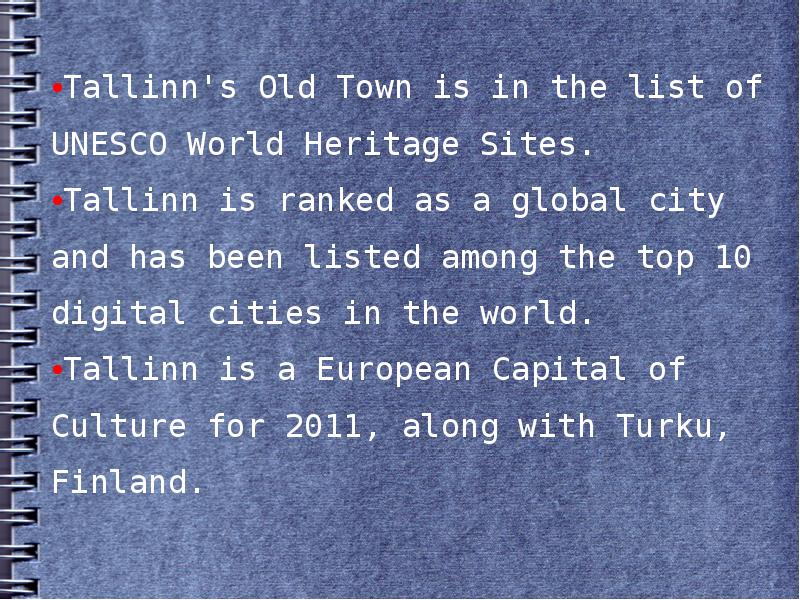
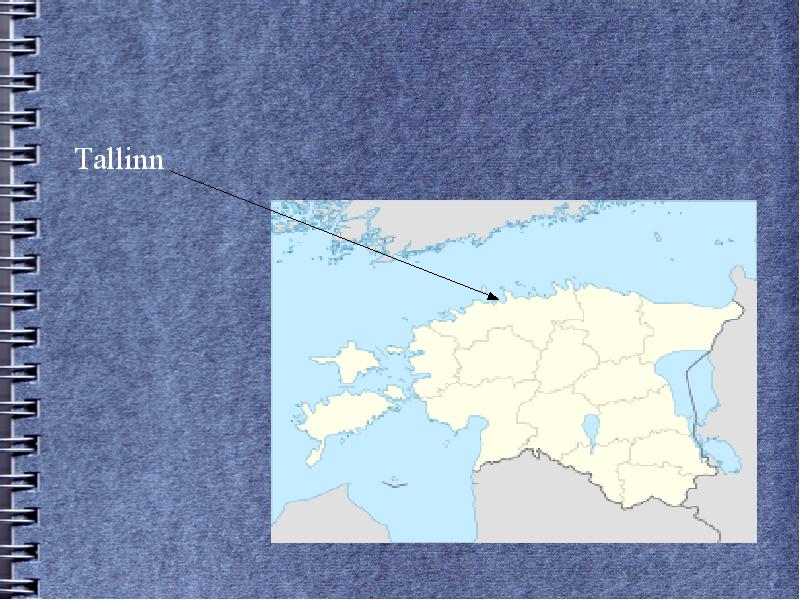
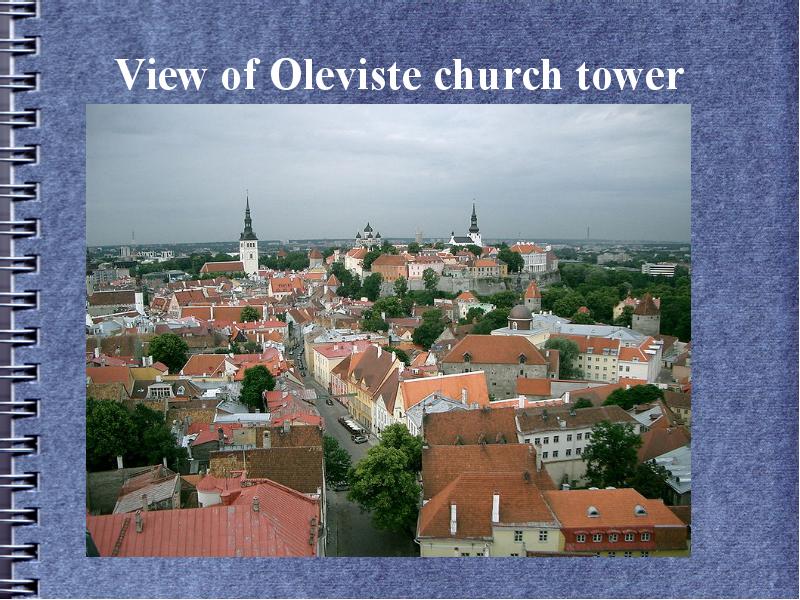
the banks of the Gulf of Finland, 80 km south of Helsinki, east of Stockholm and west of Saint Petersburg. Tallinn was founded in the 12th century and has been under the rule of Denmark, Sweden, and Germany as well as Russia, and all left their mark on the city's architecture. It is one of the best preserved medieval towns in northern Europe, and makes a beautiful impression from the sea, with its ancient city walls, church spires, and red-tile roofed homes. Tallinn has previously been named as Kolõvan, Lindanise and Reval. Most well-known sights in Tallinn are Freedom Square, Kadriorg Palace, Rotermann Quarter, Tallinn Song Festival Grounds, Toompea Castle and Town Hall Square, the Old Town of Tallinn and many more. Tallinn's Old Town is in the list of UNESCO World Heritage Sites. At the Old Town, you pass beneath the arches of Tallinn's ancient stone walls and enter a world of cobblestones, narrow alleys, and medieval buildings
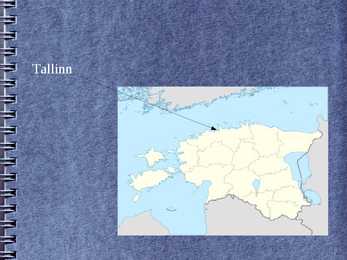
Tallinn Tallinn is situated on the southern coast of the Gulf of Finland, in north-western Estonia. A limestone cliff runs through the city. It is exposed, for instance, at Toompea and Lasnamäe. However, Toompea is not a part of the cliff, but a separate hill. Coastline is 46 kilometres long.The highest point of Tallinn, at 64 meters above the sea level, is situated in the district of Nõmme, in the south-west of the city. The first human steps, that archeologists found, are about 5000 years old. Tallinn`s first fortress was built in Toompea, in 1050. As an important port for trade between Russia and Scandinavia, it became a target for the expansion of the Teutonic Knights and the Kingdom of Denmark during the period of Northern Crusades in the beginning of the 13th century when Christianity
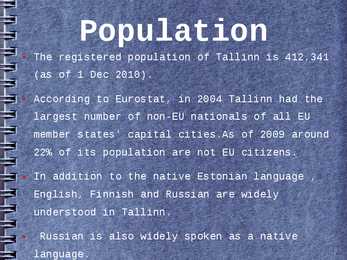
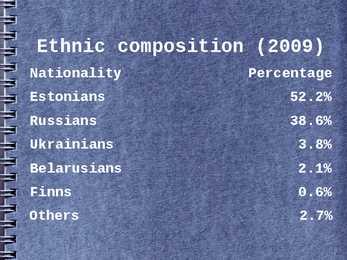
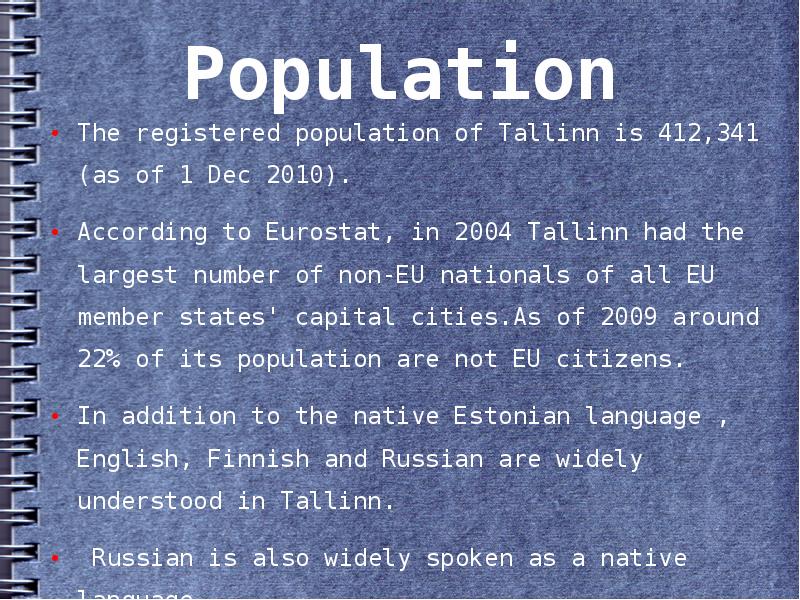
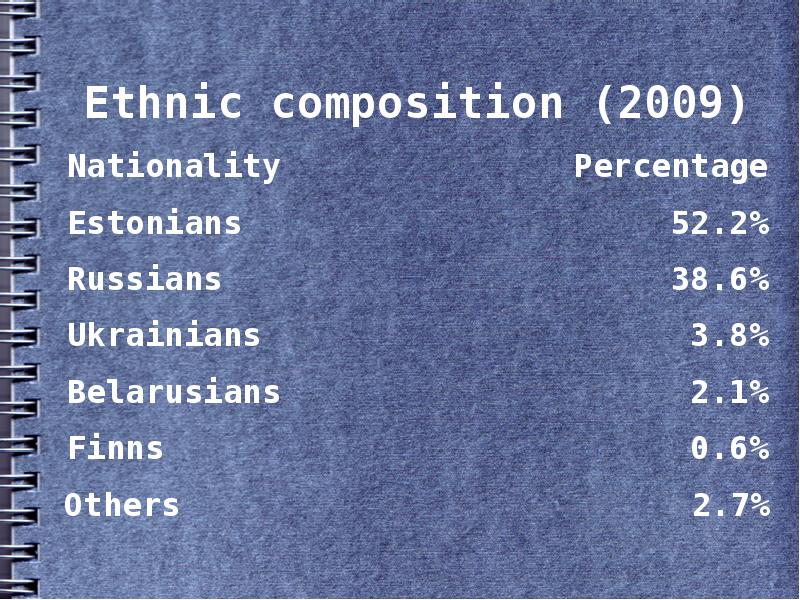
My Town I live in Tallinn. It's the capital and main seaport of Estonia. Tallinn is a very beautiful city that lies on the Baltic Sea. It covers 158 square kilometres. The Mayor of Tallinn is Jüri Ratas. The population of our capital is about 400000 people. About 55% of them are Estonian, 37% Russians and the other 8% are from different nations. The people here are mostly engaged in industry- mainly the food industry (23%), trade (16%) and transport and communication (14%). History. Tallinn has a great history. It was first marked on a map of the world by the Arab geographer al-Idrisi in 1154, its name then being Kolyvan. In the 13 th-
Nature 4 History 5 Economy 6 Culture 6 Biggest towns 7 Language 8 3 Facts and figures The Republic of Estonia is a small country. Covering only 45, 228 sq km it is slightly bigger than Denmark, Belgium or Switzerland. Estonia's population is under 1.4 million. The official language is Estonian but since very many Russians live here Russian is also wide spread. The capital of Estonia is Tallinn. The currency used in Estonia is Eesti kroon. The Estonian national flag is blue-black-white. It was originally the flag of the Estonian Students' Society. The flag was first consecrated in Otepää Church in 1884. For a while, during the Soviet occupation, the flag was banned but it was again seen in public in Tartu in May 1988. The national flower is cornflower, the national bird is barn swallow and the national stone is limestone.
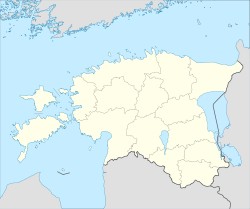
Tallinn English College Topic Estonia Tallinn 2008 1. Introduction Estonia is a small country about the size of Switzerland, or New Hampshire and Massachussetts combined. Estonia is named after the people called "Ests" who lived in the region in the 1 st century AD. The Republic of Estonia is one of the three countries commonly known as the "Baltic States". The other Baltic States are Latvia and Lithuania. 2. Geographical position Estonia is situated in northeastern Europe. Estonia is bounded on the north by
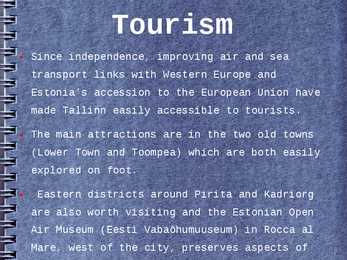
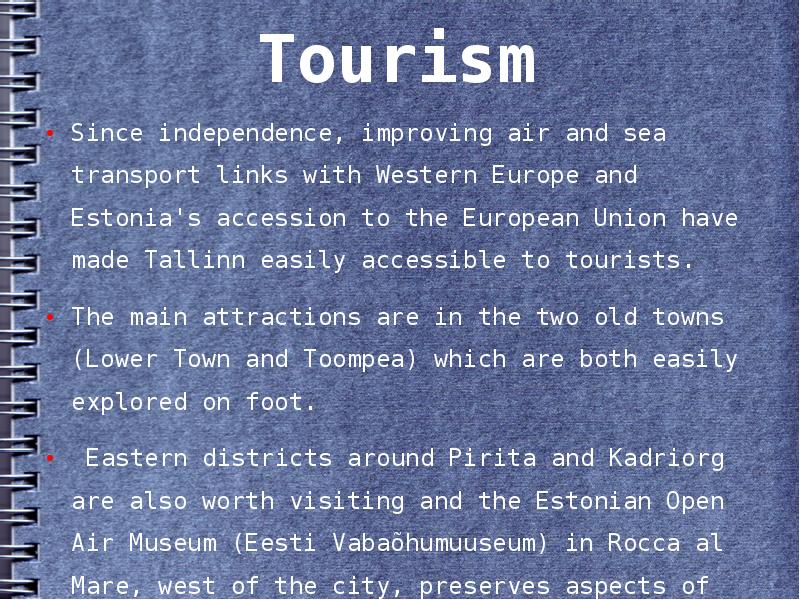
the expansion of the Teutonic Knights and the Kingdom of Denmark. Historically, the city has been attacked, sacked, razed and pillaged on numerous occasions. Although extensively bombed by Soviet airforces during the latter stages of World War II, much of the medieval Old Town still retains its charm. Since independence, improving air and sea transport links with Western Europe and Estonia's accession to the European Union have made Tallinn easily accessible to tourists. SIGHTSEEING The main attractions are in the two old towns, Lower Town and Toompea, which are both easily explored on foot. Eastern districts around Pirita and Kadriorg are also worth visiting and the Estonian Open Air Museum near Rocca al Mare, west of the city, preserves aspects of Estonian rural culture and architecture. KADRIORG This is 2 kilometres east of the centre and is served by buses and trams. The former
called Niagara Falls of the Baltic. Jägala Falls are about 8 meters high. Valaste Waterfall is the highest waterfall in Estonia, located on Valaste stream near the Baltic coast. Waterfall Valaste is 30.5m high since 1996, declared as a cultural heritage and national symbol of Estonia. Valaste Waterfall is a popular tourist destination in the summer but also in winter, when nature creates the ice kingdom. Sights If you are coming to Estonia, you need to visit: Old Town of Tallinn Kaali Meteorite Craters Jägala waterfall Kumu art museum Kadriorg palace People Estonians are a Finnic people closely related to the Finns and inhabiting, primarily, the country of Estonia. They speak a Finnic language known as Estonian. Although Estonia is traditionally grouped as one of the Baltic countries, Estonians are ethnically and linguistically unrelated to the Baltic peoples of Latvia and Lithuania. Things to do
The country’s parliament elects the president to a five-year term. The parliament has 101 members, who are elected by the people. The prime minister is recommended by the president and he heads the operations of the government. Modern industrial development, which began in the second half of the 19 th century was oriented toward the Russian market. Large textile mills were set up in Narva and electric motor production plants and shipyard in Tallinn. Today Narva provides most of Estonian’s electricity. Developments in the Estonian agriculture have been influenced by the changes in the economical environment. Estonian agriculture must also find place in the European economy. The national conditions are best suited breeding daily cattle. At the moment the Estonian farmers predominantly export daily products and timber. Currently 8500 farms have been restored to their pre-war owners.
 annaabi.ee









Kõik kommentaarid