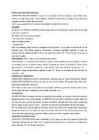
g. mill (prison), plant (theft), jack (money). There are words that occur in this style only e.g. yegg (criminal), shiv (knife). Vulgar words expressions and words to be widely used e.g. fuck, dick, ass Lexical words usually replaced by euphemisms or by scientific words. The very object or reference is considered vulgar e.g. penis-dick, urinate-piss. Stylistic vulgarism don't express vulgar objects yet, they are inappropriate because they have negative colouring e.g. smeller-nose, plant-bury, flathead-fool Curses damn! Bloody! Shortened forms SOB (son of the bitch) In the direct speech they serve as a means of speech, lack of education, social status. If used in authors' speech the effect is humour, irony. Professional words words coined and used by professional groups docs, teachers, real estate. They stand for objects typical of given trade or occupation. Such words are easily understood, not secret and used to make
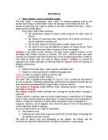
In fiction these words go side by side with faulty grammar (strike a daisy-surprise; a tell-gossip) Vulgar words are the words and expressions too rude to be widely used. · Lexical vulgarisms are usually replaced by euphemisms abd by scientific terms by polite persons (certain parts of the body and physiological acts) · Stylistic vulgarisms do not express vulgar objects, yet they are inappropriate due to their stylistic colouring (contemptuous) (smeller-nose; to plant-to bury; flathead-fool; pay dirt-money) · Curses were not printed until the WWI. (Damn and its substitutes: dashed, darned. Bloody and its substitutes: bloomy, blasted, blamed) · Shortenings (sob-son of a bitch, B-blighter) · 4-letter words( shit, fuck, cunt) Vulgar words are usually used in dialogue. It suggests lack of education. The author uses them in order to add irony, sarcasm, humour to his narrative. 14. Metre in English poetry
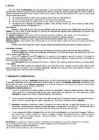
5. Vulgarisms are words or expressions that are too rude or offensive to be used widely. There are 2 types of vulgarisms: a) Lexical vulgarisms words replaced by euphemisms, by scientific terms some physiological acts, parts of the body. b) Stylistic vulgarisms do not stand for the vulgar objects, yet, they are inappropriate due to highly contemptuous colour (e.g. "a smeller" a nose). Curses - were not printed until World War 1 (e.g. "damn", "deuced": starting with letter "d" they are equally offensive. "Bloody", "blessed", "blamed" with letters "bl"). Some shortenings: "Sob" son of a bitch, "F***" words. Vulgarisms are used in direct speech as a means of speech portrayal of a person's lack of education or social status. In the author's narrative they rather suggest humour or irony. 14. METRE IN ENGLISH POETRY
widely. There are 2 types of vulgarisms: a) Lexical vulgarisms words usually replaced by euphemisms, by scientific terms some physiological acts, parts of the body. b) Stylistic vulgarisms they do not stand for the vulgar objects, yet, they are inappropriate due to highly contemptuous colour (e.g. "a smeller" a nose, "to plant" to bury, "flat-head / ass" a fool). 6. Curses - they were not printed until World War 1 (e.g. "damn", "darned", "dashed", "deuced": all start with letter "d" they are equally offensive. "Bloody", "bloomy", "blasted", "blessed", "blamed" with letters "bl"). Some shortenings: "Sob" son of a bitch, "B" blither, "F***" words.
 annaabi.ee