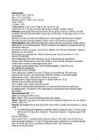
Jäätis standard 10 14 11 0,5 premium 15 17 10 0,3 super premium 17 18,5 9,25 - Piimajäätis 4 13 12 0,7 Sherbet 2 25 4 0,6 Veejäätis - 30 - 0,5 Euroopas ja mujal maailmas jaotatakse jäätised üldiselt erinevate koostiskomponentide alusel nelja rühma: 1* jäätis, mille valmistamiseks kasutatakse ainult piima koostiskomponente; 2* jäätis, mis sisaldab taimset rasva;
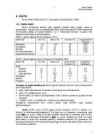
kuivaine (%) stabilisaator Jäätis standard 10 14 11 0,5 premium 15 17 10 0,3 super premium 17 18,5 9,25 - Piimajäätis 4 13 12 0,7 Sherbet 2 25 4 0,6 Veejäätis - 30 - 0,5 Euroopas ja mujal maailmas jaotatakse jäätised üldiselt erinevate koostiskomponentide alusel nelja rühma: · jäätis, mille valmistamiseks kasutatakse ainult piima koostiskomponente; · jäätis, mis sisaldab taimset rasva; · sherbet jäätis, mis tehakse puuviljamahlast, kuhu lisatakse piimarasva ja piima rasvata
Spanish borrowings were borrowed directly(nt, banana, cocoa, tomato, burrito,mosquito).Portugese: cobra, emu, port, tank, veranda. Russian: ruble, verst, steppe, vodka, tiga, crash. German words were translated word for word (nt, chain-smoker, home-sickness, masterpiece, swan-song; thing in itself, world outlook, world market; kinderkarten, schnaps, sour kraut, deli). Non-European lg: Arabic words came in the middle ages through French (nt, algebra, alixir, hashish, harem, islam, sherbet). Hebrew or Old Jewish- words werw borrowed due to the translation of the bible (nt, hallelujah, Massiah). In the 17th cent England started to conqure other countrys such as India (nt, cashmere, nirvana, bungalo), Chinese (nt, gingseng, tea), Japanese(geisha, sushi, kimono, samurai, harakiri), North.Am Indians(moccasin, tomahawk, wigwam). 4 17. How to tell a borrowing from a native word
 annaabi.ee