● LAND ● WASTE ● OCEANS ● RAINFORESTS ● WILDLIFE ● HUMANITY GREENHOUSE GASES 18 PER CENT OF GREENHOUSE GAS EMISSIONS ARE CAUSED BY ANIMAL AGRICULTURE CARBONDIOXIDE METHANE NITROUS OXIDE LIVESTOCK AND THEIR BYPRODUCTS ACCOUNT FOR AT LEAST 32,000 MILLION TONS OF CARBON DIOXIDE (CO2) PER YEAR, OR 51% OF ALL WORLDWIDE GREENHOUSE GAS EMISSIONS. METHANE (and nitrous oxide) „THE MAIN SOURCES OF METHANE ARE THE ENTERIC FERMENTATION OF RUMINANTS AND RELEASES FROM STORED MANURE“ WASTE EVERY M I N U T E, 3.5 MILLION KILOGRAMS OF MANURE ARE PRODUCED BY ANIMALS RAISED FOR FOOD IN THE US. WATER 20-33% OF ALL FRESH WATER CONSUMPTION IS USED IN ANIMAL AGRICULTURE. HUMANITY WE ARE CURRENTLY GROWING ENOUGH FOOD TO FEED 10 BILLION PEOPLE. 82% OF STARVING CHILDREN LIVE IN COUNTRIES WHERE FOOD IS FED TO ANIMALS, AND THE ANIMALS ARE EATEN BY WESTERN COUNTRIES.
It causes a lot of pain and even 1 blindness to the animal, also considerable financial losses in the herds because of the decreased weight gain, milk discard and costs of therapy (Postma et al., 2007). IBK can occur without clinical signs and bacteria can be cultured on the healthy cattle (Angelos, 2015). Problem is the resistance of Moraxella bovis in bovine herds and the establishment of biofilms in the nasal cavity and eyes of ruminants without any sings of infection (Ely et al., 2017). Pathogenesis Moraxella bovis is a gram-negative bacillus causes IBK in cattle. The occurrence and clinical signs depend on environment, season concurrent pathogens, host immune system and Moraxella bovis strain. The disease is highly contagious and can easily spread in the farm. Moraxella bovis is not capable to move but can cause the destruction of red blood cells (M.H. Brown et al. 1998)
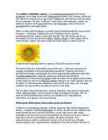
Statistics provide persons with a vested interest in the industry a foundation of where we've been in order to help us understand where we need to go. Use the Sunflower Statistics section as a resource for data on a global, national, and state-level perspective. Meal/Wholeseed Feeding Sunflower meal is the by-product of the oil extraction process. Oil is the majority value of sunflower seed and meal is considered a by-product. Sunflower meal is an excellent livestock feed, especially for ruminants. For the last several years, the supply of U.S. sunflower meal has been somewhat inconsistent. That is changing as the domestic market for sunflower oil increases. September the fields and roadsides of the Great Plains erupt in a blaze of yellow as the sunflowers and goldenrods (also members of the sunflower family) make their presence known to the local pollinating insects. While many sunflower species may begin
Control and Reduction attracted considerable attention as nutraceuti- Sodium chloride cal compounds found in foods. CLAs were Fat initially found in cooked ground beef by Cholesterol Allergens (vegetable & egg proteins) Pariza et al. (1983). Later, they were found Biogenic amines in the meat and milk of ruminants (Gnadig et Modification al. 2000; Watkins and Yong 2001; Nagao and Fatty acid (selection of breeds) Yanagita 2005). CLA is most abundant in the n-6 : n-3 PUFA (linseed feed) fat of ruminant animals, such as cattle and Addition sheep, since CLA is converted from linoleic Vegetable oils Fish oils
 annaabi.ee