. , . 6 x Citrofortunella microcarpa x Citrofortunella microcarpa (Citrus limon (L.) Burm. f.). . , 3-5 ( 7) , , ; , . -, , , ( ). . , , , . ; , , , , , . , - . ; . , . ; . . . 7 Citrus limon , (Citrus limon 'Ponderosa') . , , . . . , , . , 15 8 . , . , : ( ). ( ) , , . , , , . 500 - - . ( ), . 12- -- . 8 Citrus limon 'Ponderosa' C. limon 'Ponderosa' C. limon 'Ponderosa' , (Citrus aurantium L. = C. bigarradia Loisel.), . , . . 50-60 . , - -, 10, 4-5
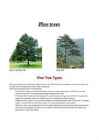
Pine Tree Types Pines are among the most well-known coniferous trees in the world. They thrive in temperate mountainous regions, but can also survive in tropical spots in the northern hemisphere. Among the most popular types of Pine trees are: ·Scotch Pine: Commonly found in North America where it is commercially grown as a Christmas tree, the Scotch Pine is known for its beautiful bluish-green needles and full shape. ·Ponderosa Pine: Popular among landscapers, the large Ponderosa can grow up to 80 feet tall. Its pyramidal shape and long needles make it an excellent choice for a windbreaker on large properties. ·Bristlecone Pine: Known for its long life, the Bristlecone is among the shortest types of Pine trees. On average it grows to about 20 feet. Its short stature makes it an outstanding addition to a rock garden.
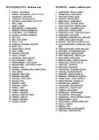
torkav kuusk Colorado spruce 9. pihlakas rowan, mountain ash 9. korea kuusk Korean spruce 10. tuhkpihlakas rock whitebeam 10. Engelmanni kuusk Engelmann spruce 11. pooppuu Swedish whitebeam 11. harilik mänd Scots pine 12. saar ash 12. keerdmänd lodgepole pine, shore pine 13. pärn lime, linden 13. kollane mänd ponderosa pine 14. jalakas elm 14. igimänd Great Basin bristlecone pine 15. künnapuu European white elm 15. euroopa seedermänd arolla pine, stone 16. tamm oak pine 17. punane tamm red oak 16. kääbusseedermänd dwarf stone pine 18. vaher maple 17. must mänd European black pine 19. saarvaher box elder 18
Rohelise ebatsuuga kõrval domineerivad sellistes sisemaa metsades veel läänetsuuga (Tsuga heterophylla) ja hiigel-elupuu (Thuja plicata), rannikupiirkonnas aga sitka kuusk (Picea sitchensis).[6] Oregonist lõuna poole esineb väiksema intensiivsusega metsapõlenguid mõnekümne aastase vahega. Selles piirkonnas domineerivad segametsades rohelise ebatsuuga kõrval veel põlengutele vastupidavad, pikaealised ja suured puuliigid, nt suhkrumänd (Pinus lambertiana), kollane mänd (Pinus ponderosa), läänemänd (Pinus monticola), kalifornia lõhnaseeder (Calocedrus decurrens), hiigelnulg (Abies grandis), hõbenulg (Abies nobilis), tore nulg (Abies magnifica) ja hall nulg (Abies concolor). Hajusalt esineb ka teisi puuliike, näiteks suurimad rohelised ebatsuugad kasvavad koos ranniksekvoiadega (Sequoia sempervirens). Leviku ülempiiril esineb koos temaga ka Mertensi tsuuga (Tsuga mertensiana). Laialdane rohelise ebatsuuga raiumine on
coast of the Pacific Ocean. Washington is one of the great states that make up the United States of America. The United States of America accepted Washington as the 42nd state to enter the union.Capital of the United States is Olympia. The population was 46,478 at the 2010 census. Date of the statehood is 11. november in 1889. Washington state population is 6,287,759. Washington state is a leading lumber producer. The types of lumber include stands of Douglas fir, hemlock, ponderosa and white pine, spruce, larch, and cedar. The state currently ranks first in the nation for apples, pears, edible dry peas, red raspberries, hops, lentils, spearmint oil and sweet cherries. Washington also ranks high in the production of grapes, apricots, asparagus, peppermint oil and potatoes State. Washington state flower is Coast Rhododendron. Washington state bird is American Goldfinch. · Washington was named after George Washington, the first President of the United
Okkad 2-kaupa 5-kaupa, okka ristlõige 3-kaupa kolmnurkne (vt.joon.2) Pinus sylvestris, P.mugo, Pinus ponderosa (haruld.) P.nigra, P.contorta jt. Pinus cembra, P.peuce, Okka pikkus 10...20 cm P.strobus, P.koraiensis, P.pumila (põõsas)
elu- ja pesitsemistingimuste loomine (pesakastid). ● Hoiduda kultiveerimast esimese aasta lanke, et vältida juurekahjurite levikut. See on eriti oluline männikultuuride puhul. Kõigi aegade suurim üraskikahjustus maailmas oli P. Ameerikas, Briti Columbias levinud üraskikahjustus, kus 2007.a. ulatus kahjustatud pind 10 milj. ha ja maht 700 milj. tm (so rohkem kui Eesti 100 aasta raiemaht!!!). Kahjustajaks Denroctonus ponderosa, kes on meie hariliku hiidüraski sugulane. Kahjustab põhiliselt keerdmändi. Selle kahjustuse algstaadiumis oleks tõenäoliselt õigeaegsed sanitaarraied levikut oluliselt pidurdanud, sest erinevalt meie kuuse-kooreüraskist talvituvad D. ponderosa vastsed puutüvel, koore all ja kahjustatud puude raie oleks populatsiooni oluliselt vähendanud. Kuna metsade majandamine oli piiratud, kujunesid ühevanuselised, keerdmänni puistud, mis olid üraskite jaoks sobivas eas (suht. vanad)
 annaabi.ee