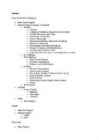
· Black British English · England (English language in England) o Northern Cheshire Cumbrian (Cumbria including Barrow-in-Furness) Geordie (Newcastle upon Tyne) Lancastrian (Lancashire) Scouse (Merseyside) Mancunian-Salfordian (Manchester & Salford) Mackem (Sunderland) Northumbrian (rural Northumberland) Pitmatic (Durham and Northumberland) Yorkshire (also known as Tyke) In the far north, local speech is noticeably Scots in nature. o East Midlands o West Midlands Black Country English Brummie (Birmingham) Potteries (north Staffordshire) o Southern Received Pronunciation
drawn up. He also ordered the learned men to collect all that was known of the early history of the country & to keep a record of the outstanding events. Thus the Anglo-Saxon Chronicle, which continued for 250 years after Alfred's death, was written. Power went into the hands of those who could read & write. In the 2nd half of the 10th cent. under the rule of Alfred's descendants, the Saxon monarchy was further consolidated. Alfred's son Edward, the Elder, and his sister defeated the Northumbrian Vikings. Edward took control of the Danelaw and ruled over the whole of England. The Danes were not driven out of the country, they were made subjects of Wessex. The descendants of the Danish conquerors became peaceful peasants & traders. They were skilful shipbuilders. They were not very different from the Anglo-Saxons. They had adopted their town. Many Scandinavian words came into the English language (happy, ugly, ill, weak etc.)
Scots Inhabited an area known as eastern and th western Scotland, until 10 c Mysteriously disappeared Constantly fought with Romans Teir country- Caledonia- Pictland The Scots, Hibernia Raiders, Celts living in Ireland/Hibernia Migrated to Scotland Raided Roman Britain After Kenneth McAlpin united Scotland all inhabitants became Scots The Venerable Bede A monk in the Northumbrian monastery of Jarrow In 731 ,,The Great Ecclesiastical History of the English People"- overshaows all other sources of 7th, early 8th C Well-founded scraps of tradition, first work of history, where AD system is used Angles, Saxons, Jutes. Frisians 430´s onwards, Germans settlers arrived in large numbers. Anglo-Saxon invasions in 499 The Saxons- Saxon country to South and West The Angles- Angulus to East Anglia, Jutes in Kent
Christianity. Iona became a holy island where several kings of Scotland, Ireland and Norway came to be buried *St Aidan and the Irish Christian mission to Northumbria was the founder and first bishop of the monastery on the island of Lindisfarne in England. A Christian missionary, he is credited with restoring Christianity to Northumbria. By patiently talking to the people on their own level Aidan and his monks slowly restored Christianity to the Northumbrian communities. Aidan also took in twelve English boys to train at the monastery, to ensure that the area's future religious leadership would be English. *St Augustine and the Roman Catholic mission to Kent He was a Benedictine monk who became the first Archbishop of Canterbury. He is the founder of the English Church. St. Gregory chose him to lead a mission to Britain to convert the pagan King Æthelberht of the Kingdom of Kent to Christianity
 annaabi.ee