There are two administrative courts in Estonia with altogether 27 judges working in them. Tallinna Administrative Court has 18 judges who are divided between courthouses. In Tallinn courthouse there are 15 judges and in Pärnu 3 judges. Tartu Administrative Court has 9 judges who are divided between courthouses. In Tartu courthouse there are 6 judges and in Jõhvi courthouse 3 judges. Country courts County courts as courts of first instance hear all civil, criminal and misdemeanour matters. The decisions of county courts can be appealed to the circuit court. If a person wants to apply a statement or other documents to country court, then that person can take it to any country court courthouse. Judges An Estonian citizen who has fulfilled an accredited law curriculum of academic studies, has proficiency in the Estonian language at the advanced level, is of high moral character and has the abilities and personal
Offences can be classified accordingos to the division of offences into criminal offences and misdemeanours, and the subdivision of criminal offences into criminal offences in the first degree and second degree. A criminal offence is an offence provided for in the Penal Code and the principal punishment in the case of natural persons is a pecuniary punishment or imprisonment and in the case of legal persons, a pecuniary punishment or compulsory dissolution. A misdemeanour is an offence provided for in the Penal Code or another Act and the principal punishment is a fine or detention. If a person commits an act, which comprises the necessary elements of both a misdemeanour and a criminal offence, the person shall be punished only for the criminal offence. If a punishment is not imposed for the criminal offence, the same act may be punished for the misdemeanour. Criminal offences prescribed by the Penal Code also include offences of less importance,
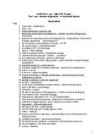
juridical circuit ringkonnakohtu ala 410. chief justice ülemkohtunik 411. bailiff kohtutäitur 412. witness tunnistaja 413. counsel nõunik 414. perjury valevanne 415. affidavit kirjalik vandetunnistus 416. verdict kohtuotsus 417. assassination atentaat 418. felony roim/mõrv 419. ranger korravalvur 420. impeachment presidendi tagandamine 421. associate justice abikohtunik 422. bench trial mitme kohtunikuga istung 423. misdemeanour väärtegu 424. statutory interpretation seadusega määratud tõlgendamine 425. district attorney ringkonnaprokurör 426. defendant süüdistatav 427. defence attorney kaitseadvokaat 428. persecution tagakiusamine 429. public defender riiklik kaitsja 430. self-defence enesekaitse 431. exculpatory õigeksmõistev 432. genocide genotsiid 433. tort õigusrikkumine 434. plaintiff hageja 435. gavel kohtuniku haamer *U11 436
The defendant can appeal to the Crown Court. Indictable offences are the most serious ones like murders. After preliminary hearing it is decided if it forms a prima facie case. If so then the case is established in a Crown Court where the judge passes a sentence. Offences triable either way can be committed in a serious or minor way. And according to this they can be tried in Magistrates Court or in a Crown Court. 11. Classification of offences (Estonian) Offence – a crime Misdemeanour – less serious crime Crime – an illegal act Fine – an amount of money that has to be paid as a punishment Arrest – to seize someone by legal authority and take them into custody. Imprisonment – to put someone in prison Second degree crime – less serious criminal offences First degree crime – the most serious criminal offences In Estonia there are two groups of offences: misdemeanors, which are less serious crimes and criminal offences, the most serious crimes
 annaabi.ee