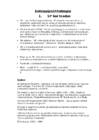
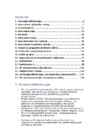
PREFIX- MEANING- EXAMPLE Ize- make into- sterilize, satirize A, in, on, of, up, to- ablaze, atop Ly- in a specific way- softly, kindly Circum- around- circumference Ity- state, condition, civility, acidity In- in, into, within- inhabit Post- after, following, later- postscript Sub- under, below- submerge Ab- from, off, away- absent Con- with, together- congregate In- not, opposing- insincere Pre- before- prefix Super- over, above, extra- superabundant Ad- to, toward- advance Contra- against, opposing- contradict Inter- among, between- international Pro- foward- proceed Trans- across, over- transfusion Ante- before, previous- antecedent De- down, from- descend Intra, intro- to the inside, within- intramural Re- back, again- rebound Un- not- unhappy Anti- against, opposing- antifreeze Dis- apart, away- disappear Mis- badly, wrong- mistake Semi- half, partly- semicircle
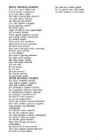
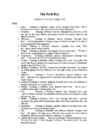
was interrupted, giving way to that emasculated humuor we call fun. 23. Facetiousness. Meaning in Estonian: Vaimukus. Example from book: They came to rescent any interruptions of it, to be unresponsive to facetiousness about life... 24. Engrossed. Meaning in Estonian: süüvinud. Example from book: Oddly enough, Anson was as engrossed in the dialogue as she and as profoundly affected by it, yet as the time aware that on his side much was insincere, and on hers much was merely simple. 25. Profoundly Meaning in Estonian: põhjalikult. Example from book: Oddly enough, Anson was as engrossed in the dialogue as she and as profoundly affected by it, yet as the time aware that on his side much was insincere, and on hers much was merely simple. 26. Constraint. Meaning in Estonian: piirang, takistus. Example from book: The long preparation of the dialogue removed any constraint... 27. Pre-eminently
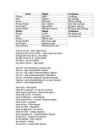
hold on wait a minute speak up talk louder set off begin a journey stay in not go out settle down have a more stable life turn up arrive cheer up be happier shut up be quiet fake genuine, real, authentic like dislike, hate, can't stand tiny huge, enormous, gigant, immense happiness sadness, discontentment (rahulolematus) guilty innocent, blameless safe unsafe, insecure, risky, hazardous admit deny, contradict sincere insincere, dishonest success failure, disaster, flop (põrumine) mature immature, childish encourage discourage, dishearten kind/generous ungenerous, mean, stingy, tight-fisted appear vanish a tough question easy, simple, not difficult a tough meat tender a clear sky cloudy, overcast a clear consciense guilty, blamed fair hair dark a fair decision unfear, justice, harsh a hard mattress soft a hard exam easy a live animal dead live music recorded
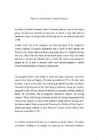
well as the standards of living (Swift, 53). These words "can take the reader's breath away, both by the calmness with which it is offered and by the devastatingly quiet logic with which its implications are explained" (Cunningham, Reich, 240-241). However, the fact that author speaks about infanticide and cannibalism with such ease, and without any sense of guilt tempts us to believe, that his offer is untrustworthy and insincere. Actually, an attempt to apply such an absurd proposal in practice was not originally considered by the author; it is more likely a hidden satire, which is intended to draw the attention of the authorities to what is happening in the country. Alongside with the exquisite use of satire and cynicism the reader can also trace the paradoxical nature of the Swift's work. The fact that an Englishman proposes barbarous prescriptions for the Irish ridicules the highly civilized society of England.
Or lean back too much or you might seem arrogant and distant. 8. Smile and laugh lighten up, don't take yourself too seriously. Relax a bit, smile and laugh when someone says something funny. People will be a lot more inclined to listen to you if you seem to be a positive person. But don't be the first to laugh at your own jokes, it makes you seem nervous and needy. Smile when you are introduced to someone but don't keep a smile plastered on your face, you'll seem insincere. 9. Don't touch your face it might make you seem nervous and can be distracting for the listeners or the people in the conversation 10. Keep you head up. Don't keep your eyes on the ground, it might make you seem insecure and a bit lost. Keep your head up straight and your eyes towards the horizon. 11. Slow down a bit this goes for many things. Walking slower not only makes you seem more calm and confident, it will also make you feel less stressed. If someone addresses you,
Or lean back too much or you might seem arrogant and distant. 8. Smile and laugh – lighten up, don’t take yourself too seriously. Relax a bit, smile and laugh when someone says something funny. People will be a lot more inclined to listen to you if you seem to be a positive person. But don’t be the first to laugh at your own jokes, it makes you seem nervous and needy. Smile when you are introduced to someone but don’t keep a smile plastered on your face, you’ll seem insincere. 9. Don’t touch your face – it might make you seem nervous and can be distracting for the listeners or the people in the conversation. Koolitus: küps kehakeel II 10. Keep you head up. Don’t keep your eyes on the ground, it might make you seem insecure and a bit lost. Keep your head up straight and your eyes towards the horizon. 11. Slow down a bit – this goes for many things. Walking slower not only makes you seem more calm and confident, it will also make you feel less stressed
"You can be at no loss, Miss Bennet, to understand the reason of my journey hither. Your own heart, your own conscience, must tell you why I come." Elizabeth looked with unaffected astonishment. "Indeed, you are mistaken, Madam. I have not been at all able to account for the honour of seeing you here." "Miss Bennet," replied her ladyship, in an angry tone, "you ought to know, that I am not to be trifled with. But however insincere you may choose to be, you shall not find me so. My character has ever been celebrated for its sincerity and frankness, and in a cause of such moment as this, I shall certainly not depart from it. A report of a most alarming nature reached me two days ago. I was told that not only your sister was on the point of being most advantageously married, but that you, that Miss Elizabeth Bennet, would, in all likelihood, be soon afterwards united to my nephew, my own nephew, Mr. Darcy
rules. What if I utter (4), but in a flauntedly unrepentant, jeering, sneering tone? Is that a grievously infelicitous apology, or no apology at all? Austin (1962) was greatly concerned to emphasize the multifariousness of infelicity. An utterance can go wrong in any one of any number of quite different ways. It can be an ill-advised move in a game, as when one utters (6) because one has miscalculated the odds. Or it may be insincere. Or one may lack the standing or authority to perform an act of the kind intended. Or it may be very rude. Or it may be made too softly and go unheard. Or it may be made, tactlessly, in front of the wrong people. Or it may be verbose and pompous and blather on and on. Or it may presuppose something false, as if I were to apologize for doing something that my hearer had wanted done, or that was not in any way a bad thing to have done, or that I did not even do at all
 annaabi.ee