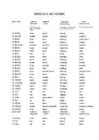
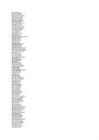
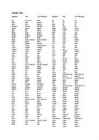
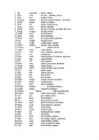
Leidsid 25 sarnast õppematerjali, mis on seotud failiga "Inglise keele 3 põhivormi". Need materjalid aitavad sul teemat sügavamalt mõista.
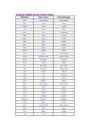
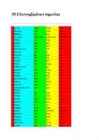
rung, cast, come, held, stood, burn, dream, hear, prove, throw, woke, wept, broadcast, burst, came, cost, dive, lööma, hold, hurt, knit, light, mean, quit, shed, shoe, shut, slid, spill, split, spread, stand, swell, took, taken, thrust, upset, weave, taluma, bent, bade, bound, blow, broke, bred, brought, built, burned, burnt, tõusma, bought, viskamablow blew blown break broke broken breed bred bred bring brought brought broadcast broadcast broadcast build built built burn burnt, burned burnt, burned burst burst burst buy bought bought cast cast cast catch caught caught choose chose chosen cleave clove, cleft cloven, cleft cling clung clung clothe clothed clothed come came come cost cost cost creep crept crept crow crowed crowed
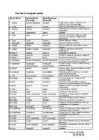
32. burst burst burst purskama (nutma/naerma), plahvatama, lõhkema 33. bust bust (busted) bust (busted) purustama; ruineerima; vahi alla võtma, vahistama 34. buy bought bought ostma 1 Aari Juhanson, MA 2007 35. cast cast cast viskama, heitma, paiskama; (näitlejaile) osi määrama 36. catch caught caught kinni püüdma, kätte saama, taipama, nakatuma 37. chide chid (chided) chid / chidden sõitlema, tõrelema; (koera jms kohta) kärsitult niuksuma 38
Raadio/tv kaudu edastama Broadcast Broadcast/-ed Broadcast/-ed Ehitama Build Built Built Põlema, põletama Burn Burned/burnt Burned/burn Lõhkema Burst Burst Burst Ostma Buy Bought Bought Viskama, valama Cast Cast Cast Püüdma Catch Caught Caught Tõrelema Chide Chid/chided Chid/chided/chid Valima, eelistama Choose Chose Chosen Lõhestama, lõhenema Cleave Cleft/clove Cleft/cloven Kinni hoidma, küljes rippuma Cling Clung Clung Tulema Come Came Come
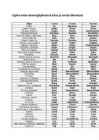
andestama forgive forgave forgiven olema be was been andma give gave given omama have had had asetama lay laid laid ostma buy bought bought ehitama build built built otsima seek sought sought elama dwell dwelt dwelt painutama bend bent bent ennustama forecast forecast forecast paiskama cast cast cast haisema stink stank stunk paisutama swell swelled swollen haistma smell smelt smelt panema put put put hammustama bite bit bitten panema set set set heitma fling flung flung panustama bet bet bet heitma sling slung slung peitma hide hid hidden helistama ring rang rung pillama spill spilt spilt
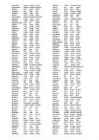
bid bid/bade bid/bidden bind bound bound bite bit bitten bleed bled bled blow blew blown break broke broken breed bred bred bring brought brought broadcast broadcast broadcast build built built burn burned/burnt burned/burnt burst burst burst buy bought bought cast cast cast catch caught caught choose chose chosen cling clung clung come came come cost cost cost creep crept crept cut cut cut deal dealt dealt dig dug dug dive dived/dove dived do did done draw drew drawn dream dreamed/dreamt dreamed/dreamt
TO BLEED bleed bled bleeding bled TO BLOW blow blew blowing blown TO BREAK break broke breaking broken TO BRING bring brought bringing brought TO BUILD build built building built TO BURN burn burned, burnt burning burned, burnt TO BURST burst burst bursting burst TO BUY buy bought buying bought TO CATCH catch caught catching caught TO CHOOSE choose chose choosing chosen
Be,was,been-olema Bear,bore,born(e)-taluma Beat,beat,beaten-tukslema Become,became,become-saama Begin,began,begun-algama Bite,bit,bitten-hammustama Blow,blew,blown-puhuma Break,broke,broken-lõhkuma Build,built,built-ehitama Burn,burnt(burned),-II- -põlema Burst,burst,burst-lõhkema Buy,bought,bought-ostma Can,could,(been able to)-oskama Catch,caught,caught-püüdma Choose,chose,chosen-valima Come,came,come-tulema Cost,cost,cost-maksma Cut,cut,cut-lõikama Deal,dealt,dealt-nr. valima Dig,dug,dug-kaevama Do,did,done-tegema Dream,dreamt(dreamed),-II- -unistama Drink,drank,drunk-jooma Eat,ate,eaten-sööma Fall,fell,fallen-kukkuma Feed,fed,fed-toitma Feel,felt,felt-tundma Fight,fought,fought-kaklema Find,found,found-leidma Flee,fled,fled-põgenema Fly,flew,flown-lendama Forbid,forbade,forbidden-keelama Forget,forgot,forgotten-unustama Forgive,forgave,forgiven-andestama Freeze,froze,frozen-külmuma Get,got,got-saama Give,gave,given-andma Go,went,gone-minema Grow,grew,grown-kasvama Hang,hu
Break broke broken pay paid paid Brong brought brought put put put Build built built read read read Burn burnt (Inf+ed) burnt (Inf+ed) ride rode ridden Burst burst burst ring rang rung Buy bought bought rise rose risen Can could (been able to) run ran run Catch caught caught say said said Choose chose chosen see saw seen Come came come seek sought sought
1. Be was/were been olema 2. Bear bore born(e) kandma, taluma 3. Beat beat beaten- lööma 4. Become became become- saama kellekski , millekski 5. Begin began begun- alustama 6. Bite bit bitten- hammustama 7. Blow blew blown- puhuma 8. Break broke broken-murduma, murdma, lõhkuma 9. Bring brought brought-tooma 10. Build built built-ehitama 11. Burn burnt burnt-põletama 12. Burst burst burst-purskama, puhkema 13. Buy bought bought-ostma 14. Can could could-võima, suutma 15. Catch caught caught- kinni püüdma 16. Choose chose chosen-valima 17. Come came come-tulema 18. Cost cost cost- maksma, väärt olema 19. Cut cut cut-lõikama 20. Deal dealt dealt-kauplema, käsitlema, tegelema 21
sündima bear bore borne kasva(ta)ma grow grew grown peksma beat beat beaten rippuma hang hung hung kellekski saama become became become omama have had had algama begin began begun kuulma hear heard heard kalduma bend bent bent peitma hide hid hidden hammustama bite bit bitten lööma hit hit hit veritsema bleed bled bled hoidma hold held held puhuma blow blew blown vigastama hurt hurt hurt
99 Ebareeglipärast tegusõna 1 seisma stand stood stood 2 kleepima stick stuck stuck 3 rääkima tell told told 4 aru saama understand understood understood 5 võitma win won won 6 omama have had had 7 hoidma hold held held 8 juhtima/viima lead led led 9 süütama light lit lit 10 kaevama dig dug dug 11 toitma feed fed fed 12 tundma feel felt felt 13 leidma find found found 14 midagi saama get got got 15 rippuma hang hung hung 16 hoidma keep kept kept
III vorm - Bet III vorm - Bitten Puhuma = Blow Lõhkuma, katki minema = Break I vorm Blow I vorm Break II vorm Blew II vorm Broke III vorm - Blown III vorm - Broken Tooma = Bring Ehitama = Build I vorm Bring I vorm Build II vorm Brought II vorm Built III vorm - Brought III vorm - Built Põlema, põletama = Burn Ostma = Buy I vorm Burn I vorm Buy II vorm Burnt II vorm Bought III vorm - Burnt III vorm - Bought Saama, võima, oskama = Can (Kinni) Püüdma = Catch I vorm Can I vorm Catch II vorm Could II vorm Caught III vorm - Puudub III vorm - Caught Valima = Choose Tulema = Come I vorm Choose I vorm Come
ribbon of sky. The Crossfire was seriously impressive, a sleek spire of gleaming sapphire that pierced the clouds. I knew from my previous interviews that the interior on the other side of the ornate copper-framed revolving doors was just as awe-inspiring, with golden-veined marble floors and walls, and brushed aluminum security desk and turnstiles. I pulled my new ID card out of the inner pocket of my pants and held it up for the two guards in black business suits at the desk. They stopped me anyway, no doubt because I was majorly underdressed, but then they cleared me through. After I completed an elevator ride up to the twentieth floor, I'd have a general time frame for the whole route from door to door. Score. I was walking toward the bank of elevators when a svelte, beautifully groomed brunette caught her purse on a turnstile and upended it, spilling a deluge of change. Coins rained onto the
months -- but even if I had, I would not have imagined it like this. I stared without breathing across the long room, into the dark eyes of the hunter, and he looked pleasantly back at me. Surely it was a good way to die, in the place of someone else, someone I loved. Noble, even. That ought to count for something. I knew that if I'd never gone to Forks, I wouldn't be facing death now. But, terrified as I was, I couldn't bring myself to regret the decision. When life offers you a dream so far beyond any of your expectations, it's not reasonable to grieve when it comes to an end. The hunter smiled in a friendly way as he sauntered forward to kill me. 1. FIRST SIGHT My mother drove me to the airport with the windows rolled down. It was seventy-five degrees in Phoenix, the sky a perfect, cloudless blue. I was wearing my favorite shirt -- sleeveless, white eyelet lace; I was wearing it as a farewell gesture. My carry-on item was a parka.
In the twentieth century, his work was repeatedly adopted and rediscovered by 2 new movements in scholarship and performance. His plays re- main highly popular today and are consistently performed and reinterpreted in diverse cultural and political contexts throughout the world. Source: Wikipedia Also available on Feedbooks for Shakespeare: • Romeo and Juliet (1597) • Macbeth (1606) • A Midsummer Night's Dream (1596) • Julius Caesar (1599) • Othello (1603) • The Merchant of Venice (1598) • Much Ado About Nothing (1600) • King Lear (1606) • The Taming of the Shrew (1594) • The Comedy of Errors (1594) Note: This book is brought to you by Feedbooks http://www.feedbooks.com Strictly for personal use, do not use this file for commercial purposes. 3 Act I SCENE I. Elsinore
DAVID KAHN Windsor Gate Great Neck, New York Paris A Few Words EVERY TRADE has its vocabulary. That of cryptology is simple, but even so a familiarity with its terms facilitates understanding. A glossary may also serve as a handy reference. The definitions in this one are informal and ostensive. Exceptions are ignored and the host of minor terms are not defined—the text covers these when they come up. The plaintext is the message that will be put into secret form. Usually the plaintext is in the native tongue of the communicators. The message may be hidden in two basic ways. The methods of steganography conceal the very existence of the message. Among them are invisible inks and microdots and arrangements in which, for example, the first letter of each word in an apparently innocuous text spells out the real message
" --Laura Roden, chairman of the Silicon Valley Association of Startup Entrepreneurs and a lecturer in Corporate Finance at San Jose State University "With this kind of time management and focus on the important things in life, people should be able to get 15 times as much done in a normal workweek." --Tim Draper, founder of Draper Fisher Jurvetson, financiers to innovators including Hotmail, Skype, and Overture.com "Tim has done what most people only dream of doing. I can't believe he is going to let his secrets out of the bag. This book is a must read!" --Stephen Key, top inventor and team designer of Teddy Ruxpin and Lazer Tag and a consultant to the television show American Inventor ALSO BY TIMOTHY FERRISS The 4-Hour Workweek Copyright © 2010 by Tim Ferriss All rights reserved. Published in the United States by Crown Archetype, an imprint of the Crown Publishing Group, a division of Random House, Inc., New York. www.crownpublishing.com
but represents work that is scientifically grounded. The subsequent versions also provide new and updated material, chapter summaries, and study questions to en- hance its utility. A potentially attractive feature of the present version of Influence lies in its abil- ity to serve as an enjoyable, practical, yet scientifically documented offering. In a re- lated vein, the book might be seen as a way to demonstrate that, properly presented, what often seems like dry science can actually prove to be lively, useful, and relevant to all readers' personal lives. Comment on the Fifth Edition of Influence: Science and Practice It has been some time since Influence was last published. In the interim, some things have happened that deserve a place in this new edition. First, we now know more about the influence process than before. The study of persuasion, compli- ance, and change has advanced, and the pages that follow have been adapted to re- flect that progress
Only think what an establishment it would be for one of them. Sir William and Lady Lucas are determined to go, merely on that account, for in general, you know, they visit no newcomers. Indeed you must go, for it will be impossible for us to visit him if you do not." "You are over-scrupulous, surely. I dare say Mr. Bingley will be very glad to see you; and I will send a few lines by you to assure him of my hearty consent to his marrying whichever he chooses of the girls; though I must throw in a good word for my little Lizzy." "I desire you will do no such thing. Lizzy is not a bit better than the others; and I am sure she is not half so handsome as Jane, nor half so good-humoured as Lydia. But you are always giving her the preference." "They have none of them much to recommend them," replied he; "they are all silly and ignorant like other girls; but Lizzy has something more of quickness than her sisters." "Mr. Bennet, how can you abuse your own children in such a way
the six feature films as an epic on the theme of father-son relationships • New illustrations and diagrams that give additional depth to the mythic principles • A final chapter, "Trust the Path," an inspiring call to adventure for those who want to discover themselves through writing "This book is like having the smartest person in the story meeting come home with you and whisper what to do in your ear as you write a screenplay. Insightfor insight, step for step, Chris Vogler takes us through the process of connecting theme to story and making a script come alive. " - Lynda Obst, Producer, Sleepless in Seattle, How to Lose a Guy in 10 Days; Author, Hello, He Lied "This is a book about the stories we write, and perhaps more importantly, the stories we live. It
Philosophy of Language Philosophy of Language: a Contemporary Introduction introduces the student to the main issues and theories in twentieth and twenty-first-century phi- losophy of language, focusing specifically on linguistic phenomena. Topics are structured in four parts in the book. Part I, Reference and Referring, includes topics such as Russell's Theory of Descriptions, Donnellan's distinction, problems of anaphora, the description theory of proper names, Searle's cluster theory, and the causalhistorical theory. Part II, Theories of Meaning, surveys the competing theories of linguistic mean- ing and compares their various advantages and liabilities. Part III, Pragmatics and Speech Acts, introduces the basic concepts of linguistic pragmatics, includes a detailed discussion of the problem of indirect force and surveys approaches to metaphor. Part IV, new to this edition, examines the four theories of metaphor. Features of Philosophy of Language include: · new c
(pp.102-11s) shopping Portobello RoodMorket- s QueenVictoria Market UNIT8 food; typesof food; recipes;kitchen How to burn fat all day You Are What healthyeating; waysof cooking;placesto utensils; long(gappedtext) you Eat e a ti n gh a b i ts eat;di ners'compl ai nts Extractfrom OliverTwist ( pp. 116- 12e ) Module 4 (pp. 130-133) Self-Assessment
(pp.102-11s) shopping Portobello RoodMorket- s QueenVictoria Market UNIT8 food; typesof food; recipes;kitchen How to burn fat all day You Are What healthyeating; waysof cooking;placesto utensils; long(gappedtext) you Eat e a ti n gh a b i ts eat;di ners'compl ai nts Extractfrom OliverTwist ( pp. 116- 12e ) Module 4 (pp. 130-133) Self-Assessment
(pp.102-11s) shopping Portobello RoodMorket- s QueenVictoria Market UNIT8 food; typesof food; recipes;kitchen How to burn fat all day You Are What healthyeating; waysof cooking;placesto utensils; long(gappedtext) you Eat e a ti n gh a b i ts eat;di ners'compl ai nts Extractfrom OliverTwist ( pp. 116- 12e ) Module 4 (pp. 130-133) Self-Assessment
(pp.102-11s) shopping Portobello RoodMorket- s QueenVictoria Market UNIT8 food; typesof food; recipes;kitchen How to burn fat all day You Are What healthyeating; waysof cooking;placesto utensils; long(gappedtext) you Eat e a ti n gh a b i ts eat;di ners'compl ai nts Extractfrom OliverTwist ( pp. 116- 12e ) Module 4 (pp. 130-133) Self-Assessment
 annaabi.ee