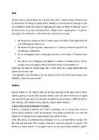
certain feelings, ideas, images. Another term for this phenomenon is euphony (Gk. ,,pleasant to the ear"). Phonetic stylistic devices Onomatopoeia (sound imitation, echo-writing) Is a combination of sounds which suggests acoustic features of objects or actions. E.g buzz, clang, bang, mew, roar, rattle, whisper, ding-dong, splash, rustle, flop, squeek, giggle, whistle. These are traditional cases (registered in dictionaries). More original and hence expressive instances comprise nonce coinages: The train choo-chooed to the station. Rrrr-umph! A devastating crash.. A jet whooshed into the sky. He tut-tutted his tongue. Punk, punk, punk, her needle broke the taut circle... Clop, -clop, -clop! Up the street came the delivery wagon. Alliteration The repetition of similar or identical consonants at the beginning of neighbouring words or stressed syllables: Most musical of mourners, weep again! This device goes back to Anglo-Saxon poetry that knew no rhyme and did not yet rely on metre
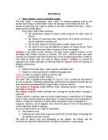
There was en experiment to prove the contrary. (kig, keg, kag, kog, kug) which was has the greatest and which has the smallest illumination. All the people guessed the same way. 7. Phonetic stylistic devices Onomatopoeia--echo writing. It is a combination of sound, which suggests acoustic features of objects or actions. There are traditional cases that are registered in dictionaries (buzz, rattle, splash, squeak) More original, expressive cases combine nonce coinages (the train choo-chooed to the station, Prr-umph! A devastating crush was heard) Alliteration--the use of words that begin with the same sound in order to make a special effect, especially in poetry. It goes back to Anglo-Saxon poetry. It may convey various shades of meaning. F at the beginning may imitate blowing wind. In that case alliteration becomes onomatopoeic in quality. The function of alliteration depends on the peculiar context; its rhythmical value goes
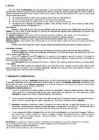
Due to their acoustic features sounds may create certain feelings, ideas or images. This is called euphony (from Greek "pleasant to the ear"). 7. PHONETIC STYLISTIC DEVICES ONOMATOPOEIA is sound imitation, echo writing. It is a combination of sounds suggesting the typical sounds the object makes. Traditional cases are: buzz, roar, whisper, ding-dong, splash, squeak, giggle, whistle, etc. More original and more expressive examples comprise nonce- coinages (e.g. "the train choo-chood to the station"). ALLITERATION - alliteration is the repetition of single sounds or groups of sounds (usually word-initial sounds, esp. consonants). Alliteration goes back to Anglo-Saxon poetry that knew no rhyme and did not yet rely on metre. The complete alliteration of Anglo-Saxon poetry is sometimes used for humorous purposes. Alliteration may have its share in producing an ironic effect. Alliteration may convey various shades of meaning.
People put them in following order: kig (bright) keg kag kog kug (dark) PHONETIC STYLISTIC DEVICES (I. Ladusseva book Rhyme and Text) ONOMATOPOEIA is sound imitation, echo writing. It is a combination of sounds suggesting the typical sounds the object makes. Traditional cases are: buzz, roar, whisper, ding-dong, splash, squeak, giggle, whistle, etc. More original and more expressive examples comprise nonce-coinages (e.g. "a jet whooshed into the sky", "the train choo-chood to the station", "punk, punk, punk her needle broke the circle"). ALLITERATION (Rhyme and Text, page 41) - Alliteration is the repetition of single sounds or groups of sounds (usually word-initial sounds, especially consonants). Alliteration goes back to Anglo-Saxon poetry that knew no rhyme and did not yet rely on metre. The importance of alliteration is fully recognized by contemporary poets as well
 annaabi.ee