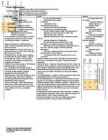
Big states generally have intermediate (national-regional-local) institutions ed examples of federal states, all with primarily functional not sociological rationales Efficient scale of delivery for e.g. heathcare or education Reflect diversity of preferences from place to place ost-Hitler Sociological explanations as delivering nationwide common standards Centre-periphery cleavages ock by decentralising reform, but not much happens [groundhog day] Territorial politics reflect territorial cleavages, demands for expressions of shared identity nizing existing divisions, need to extend service provision, bring govt closer to people Often in multinational states how to bridge divides between homelands/provinces black/white areas India, Canada, Belgium, UK Power claimed from the
parties/political organizations that have successively won election victories and whose future defeat cannot be envisaged or is unlikely for the foreseeable future" (Suttner 2009: 277). Dominant party regimes are often seen as the contemporary forms of authoritarian rule. For Samuel Huntington, this phenomena is the cause of modernization--social differentiation, economic development, and nationalist struggle--which have created cleavages that could only be repaired through concession, co-optation, and/or organization (Remington and Reuter 2008: 504). Yet, one might say that what distinguishes dominant party systems from totalitarian single-party systems is the fact that dominant parties can still occur within democratic countries where other political parties are tolerated and allowed to operate in a more or less free political landscape. It is just because of the overwhelmingly strong
hakkab. Sõltuvuskulude kõver horisontaalne - indifferents konstitutsiooni suhtes. Vastuväited: Isegi kui ükskord on indiviidid udus konstitutsiooni osas kokku leppinud, ei ole see siduv uustulnukate suhtes. See vastuväide oleks õige siis, kui udu oleks ühekordne. Sedavõrd, kui udu läbi paistab, jääb saavutamata üksmeel konstitutsiooni suhtes ja ka konstitutsiooni individualistlik legitimatsioon. Ühiskonna mitmemõõtmelisus (Cross-cutting cleavages): Et väheneksid konstitutsioonilised eriarvamused, peab poliitilisi rindeid olema võimalikult palju. Eristumistunnused peavad olema võimalikult sõltumatud (Šveits vs Belgia). 58. Kollektiivi optimaalne suurus. Buchanani optimaalne klubi. Joonistel on y kollektiivi suurus (liikmete arv) ja x otsuse vastuvõtmiseks vajalik poolthäälte arv (> 50%). Miks on lihtenamus (50%+1) enimkasutatav reegel? Alates
 annaabi.ee