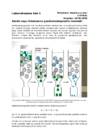
Fig. 3: The appearance of osmotic flow: a) negatively charged surface of the quartz; b) hydrated cations adsorbed on the surface; c) solution migrates to the cathode due to electric field appearance Fig. 4: The profile of and corresponding profile of the chromatographic zone In aqueous solution, the majority of solid surfaces have excess negative charge which appear due to ionization of the surface due to acidbase equilibrium and / or adsorption of the ionized particles on the surface. In the quartz capillaries can occur both, however EOF mainly
on meetod lahuses olevate ainete lahutamiseks nende molekulmassi suuruse järgi. Ained (milleks on makromolekulid, lisandid või soolad) liiguvad läbi poorse geeli erineva kiirusega, kusjuures proov liigub läbi kolonni vesilahuse abil. Protsess viiakse läbi kolonnis, mille sees on pundunud geeligraanulid, mis koosnevad dekstraanist, agaroosist või polüakrüülamiidist. [http://image.slidesharecdn.com/chrom-lect6-141121074837-conversion-gate01/95/chromatographic-methods- of-analysis-gel-chromatography-method-4-638.jpg?cb=1416556188] Geelkromatograafia kolonni iseloomustab täidise kogumaht Vt = Vv + Vs + Vg, kus Vv on graanutlitevahelise vedeliku maht, Vs graanulitesisese vedeliku maht ja Vg geelimaterjali ehk -maatriksi maht. Selleks, et uuritavaid aineid saaks läbi kolonni transportides üksteisest eraldada, tuleb kasutada sobivat voolutit ehk eluenti
droplets or solid particles. The mass of the Wood smoke contains air, water vapor, dispersed phase makes up about 90% of the CO2, CO, and at least several hundred organic total mass of the smoke. The proportion of compounds in different concentrations. different smoke constituents in both phases About 400 of them have been unequivocally depends not only on their chemical composi- identified by chromatographic and spectral tion, but also on the conditions of smoke analytical methods. The composition of the generation and the temperature and turbu- smoke depends on the kind of wood used for lence in the duct leading from the generator smouldering (i.e., mainly on its dryness and to the smokehouse. Cooling increases the the contents of hemicelluloses, cellulose, weight proportion of the higher boiling com- lignin, and resins), as well as on the tempera-
 annaabi.ee