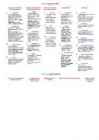
4. EPIPHORA after noun 4. CLIMAX expression of a (...* ...* ...*) repetition - gradation; in sentence each new part grows in 4. ASYNDETON of word or phrase at the end - subordinate intensity. Function show significance of sudden emotion - deliberate omission of of a sentence. clause before things. ("She was so conjunctions
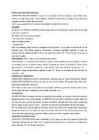
wallet that... well. NOMINATIVE SENTENCES NOMINATIVE SENTENCES are just a noun-sentence, containing a noun or a nominal-noun-phrase sentence. NOMINATIVE SENTENCES strengthen the dynamic nature of the narrative. NT: London. Parks. Horse rides. Noisy streets. Noisy traffic. Policeman. Such sentences evoke a more or less isolated idea of an object without any connection with other objects. These sentences appeal to reader's imagination, and thus makes the reader active. ASYNDETON ASYNDETON means intentional omission of conjunctions between parts of a sentence or between sentences, disregarding norms of the literary language. ASYNDETON is used mostly to describe an energetic (objectic?) activities us to show exession (succession) of minute immediately following each of the actions. Opening the story of chapter, A helps to give a laconic ... and at the same time detailed information into the action proper. NT: The motion of the camp at night was everywhere. People sang
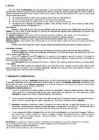
meaning. 3. Nominative sentence it is the sentence containing a noun or a noun phrase. Such sentences evoke an isolated idea of an object without any relations with other objects. Such sentences appeal to the reader's imagination, it is a kind of kaleidoscope (e.g. "London. Parks. Streets. Noisy traffic."). Such sentences strengthen the dynamic nature of the narrative. 4. Asyndeton is deliberate omission of conjunctions, which disregard norms of literary language. Asyndeton is used mostly to render energetic organized activity; or to show the succession of minute immediately following each other actions (e.g. "People sang. People cried. People fought. People laughed. People hated. Others were sad. Others gay."). The sentences become more rhythmical. 5
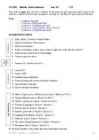
Prosody Lexical repetition Anapaest Orchestration Syntactic SD Dactyl Euphony Ellipsis Amphibrach Phonetic SD Aposiopesis Spondee Onomatopoeia Nominative sent. Pyrrhic Alliteration Asyndeton Rhythmic invers. Assonance Apokoinu Run-on line Rhyme: Gap-sentence link Stanza: Full Framing Heroic couplet Incomplete Anadiplosis Ballad stanza Vowel Tautology Spenserian stanza
sentence in which the speaker breaks off in the middle as if unable or unwilling to proceed. It implies strong emotion. Nominative sentence is nouns or noun phrases appearing as a separate sentence naming someting. They evoke more or less isolated idea of an object without any relation with other objects. They appeal to the reader's imagination. Hence, they ate frequent use in the exposition. Nominative sentences make the narrative dynamic. (Paris. Broad avenues. Lighthouses. People. Cafes.) Asyndeton is a deliberate omission of conjunctions between sentences disregarding the norms of literary language. It is used to describe energetic actions or to show a suggestion of minutes/actions immediately following each other. It makes the activities dynamic (verbs) and descriptions abrupt (nouns) Apokoinu construction is a blend of 2 clauses into one, plus omitting a connecting word (who, that). This is ungrammatical, characteristics of an oral speech, dialogue. (I'm the first one saw her)
 annaabi.ee