continue or discontinue membership in the organisation. Effects Organisational commitment can have either a negative or a positive effect on the organization. The negative effect implies that the level of organisational commitment is low. Employees with a low level of organisational commitment tend to be unproductive and some become loafers at work. In some cases the high rate of staff turnover and absenteeism are associated with the low level of organisational commitment. Sometimes, when organizational commitment is over-commitment it may cause neurotic compulsion to succeed, extreme high level of energy, overly loyal employees. On the other hand, when commitment is under-commitment it may cause fear of success or failure, chronic and persistent procrastination. Organisations whose members have higher levels of commitment show higher performance and
Since, he will be unable to smoke in public places, he will learn how to live without smoking a cigarette for long hours. Moreover, when a smoker does not see anybody around him smoking or smelling of cigarette, it might reduce his urge to smoke too. Accordingly, one of its major advantages is that it forces people to quit smoking. Looking from the economic point of view, since smoking is a major contributing factor to many diseases, it leads to absenteeism from work. Moreover, employees smoke tend to take breaks now and then to smoke, as a result lowering the number of hours they put in their work. Consequently, if employers want to increase work productivity and want to make sure that their employees remain healthy, they should ban and stop smoking in and around office premises. All things considered, I am there somewhere in between. I don't smoke and I don't care if others do
putting it in the main clause, leads logically to the negative recommendation. 2b) which focuses on the positive point in the same way, but still leads to a negative recommendation, is not logical. TASK 3 1 Which sentence, X or Y, best supports the following recommendation in each case? a) X While the introduction of the flexitime system has caused a number of administrative problems, it has also led to a significant drop in short term absenteeism. Y While the introduction of the flexitime system has led to a significant drop in short term absenteeism, it has also led to a number of administrative problems. It is therefore recommended that the system should be continued. b) X The ICN system, which would be the cheapest, does not meet our specifications. Y The ICN system, which does not meet our specifications, would be the cheapest. It cannot, therefore, be considered.
A 1. Ability- võime, oskus 2. Abortion- abort 3. Absence- töölt puudumine 4. Absenteeism- korduv põhjuseta puudumine 5. Academic- akadeemia 6. Accept- vastu võtma 7. Accomodate kohandama 8. Accumulate- kogunema 9. Acquisition- omandamine, omandus 10. Adapt kohandama 11. Addition lisaks sellele 12. Adopt- vastu võtma 13. Advantage eelis 14. Advise-nõu andma 15. Affordable low rise apartments (no lift) - ilma liftita taskukohased madalal asuvad korterid 16. Affordable- taskukohane 17. Ailing- valus 18. Ailment- häda, vaevus 19. Albeit- kuigi, ehkki, kuid siiski
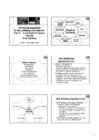
– Co-workers, peers have noted similar complaints. Nose irritation Throat irritation SBS reduces worker productivity and may also increase absenteeism. 1 Sick Building Syndrome Indoor Air Estimation of Air Quality General factors: Quality Biological •Climate
· suhted õpetajatega Koolist väljalangevuse ennetamine: huvitegevuse õhutamine, põhjuseta puudumistega tegelemine. Koolist väljalangevuse tekkeprotsess: · Osalus-identifikatsiooni mudel - osalemise puudumine koolis, ei identifitseeri end kooliga ja see viib koolist väljalangemiseni. · Frustratsiooni-enesehinnangu mudel - enesehinnang muutub madalaks, tekib tõrjutus koolis ja siis koolist väljalangevus koolist. Õpilase puudumine (pupils absenteeism) Koolist keelduv käitumine (school refusal behavior) - koolihirm Põhjuseta puudumine (truancy) Laps puudub koolist kuna... ... Vanemad pole teadlikud (last pole kodus või on laps kodus, kui vanemad pole kodus) poputegemine, põhjuseta puudumine. ... Vanemad on teadlikud (laps on kodus): (1) vanemate soovil (jäeti laps koju), praktiline või emotsionaalne põhjus; (2) lapse enda soovil (laps keeldub kooli minemast),
 annaabi.ee