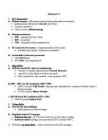
põllumajanduses 1952 · selle eest tuli maksta ränka hinda tööjõupuudus ja põuast tingitud näljahäda (Ukrainas, Moldovas) · toidu- ja tarbekaupadega varustatus viletsam tsaariaja lõpust b) Massirepressioonid: · siseasjade- ja julgeolekuorganid · vanglad, sundasumine, küüditamised 1950.a. 5,5 milj. inimest c) Ideoloogiline surutis (juhiks KP sekretär A. Zhdanov): · nõukogude inimesele on Lääne manduv kultuur mittevajalik · N. Liidu eraldumine maailmakultuurist pidurdas ühiskonna arengut · paljud teadlased represseeriti või pidid asuma ,,õigetele" seisukohtadele · nt ,,rahvaakadeemik" Lõssenko poolt likvideeriti N. Liidus geneetika · kirjanduses ja kunstis nõukogude ühiskonna ülistamine ja Stalini isikukultus (,,kõigi rahvaste kõige suurem sõber") d) Poliitiline elu:
about Js. Babi, silence until then. 64? Silence in IL too. Continue w life, traumatic for many. Wasn't spoken about in public, but private yes. In Germany, didn't deal w 3rd Reich hist. Other J communities didn't know what to do w/Hol survivors, refugees, issues. Political aspirations? July 48, Mikhoels killed. From top, put end to Committee. Liquidated others from Committee. Rubinstein, Stalin's Secret Program, try to understand Sov context, what they wanted todo. Doctors Plot, Zhdanov died from heart problems. Pravda, Izvestia, 53, guilty are J doctors in Kremlin, disproportional. From above. Jan-Mar, scary period for Js in high occuptions. Stalin died. Look in context of other peoples, nations, to understand J minority. Js fully integrated in interior until 48. Now it begins to seem that will not be, not equal. All Js, certain type of Js? Relation to IL, influence on what happens on SU Js. 18 Mar
Russian poetry of that period produced a number of avant-garde greats. The members of the Lianosovo group of poets, notably Genrikh Sapgir, Igor Kholin and Vsevolod Nekrasov, who previously chose to refrain from publication in Soviet periodicals, became very influential, especially in Moscow, and the same goes for another masterful experimental poet, Gennady Aigi. Also popular were poets following some other poetic trends, e.g. Vladimir Aristov and Ivan Zhdanov from Poetry Club and Konstantin Kedrov and Elena Katsuba from DOOS, who all used complex metaphors which they called meta-metaphors. In St. Petersburg, members of New Leningrad Poetry School that included not only the famous Joseph Brodsky but also Victor Krivulin, Sergey Stratanovsky and Elena Shvarts, were prominent first in the Soviet- times underground - and later in mainstream poetry. Some other poets, e.g. Sergey Gandlevsky and Dmitry Vodennikov, gained popularity by
 annaabi.ee