g. "neutron" neut). Often shortenings take place (e.g. in university: "lit" literature). 4. Dialectical words - are used locally, they characterize a personage and belonging to a certain geographical area, their education. Some dialectical words have become common colloquial words. In some dialects "thou" is used instead of "you", "a tell" gossip. Rendering dialectical speech the author combines such words with cases of faulty grammar. 5. Vulgarisms are words or expressions that are too rude or offensive to be used widely. There are 2 types of vulgarisms: a) Lexical vulgarisms words replaced by euphemisms, by scientific terms some physiological acts, parts of the body. b) Stylistic vulgarisms do not stand for the vulgar objects, yet, they are inappropriate due to highly contemptuous colour (e.g. "a smeller" a nose). Curses - were not printed until World War 1 (e.g
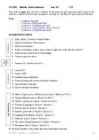
Style Zeugma Common Coll. Voc. Stylistics Semantically false chain Special Coll. Voc.: The styl. of lg. Pun Slang The styl. of speech Periphrasis Jargon Denotation Simile Cant Connotation Euphemism Vulgarisms Inherent Personification Professional w. Adherent Bathos Dialectal w. Phonestheme Allusion Rhythm Expressive means Quotation Foot Stylistic devices Epigram Metre: Phonostylistics PU, deformed PU Iambus Phonetic. expr
Dialectal words are used colloquially by a person belonging to a certain geographical area; they may also suggest their education or breeding. Some dialectical words have become colloquial (lad, lass, dart) In dialects, some archaic words are preserved (thou). In fiction these words go side by side with faulty grammar (strike a daisy-surprise; a tell-gossip) Vulgar words are the words and expressions too rude to be widely used. · Lexical vulgarisms are usually replaced by euphemisms abd by scientific terms by polite persons (certain parts of the body and physiological acts) · Stylistic vulgarisms do not express vulgar objects, yet they are inappropriate due to their stylistic colouring (contemptuous) (smeller-nose; to plant-to bury; flathead-fool; pay dirt-money) · Curses were not printed until the WWI. (Damn and its substitutes: dashed, darned.
 annaabi.ee