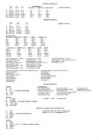
estuve tuve vine hice supe estuviste tuviste viniste hiciste supiste estuvo tuvo vino hiZo supo estuvimos tuvimos vinimos hicimos supimos estuvisteis tuvisteis vinisteis hicisteis supisteis estuvieron tuvieron vinieron hicieron supieron andar (kõndima,käima) -> anduve conducir (juhtima) -> conduje convenir (kokku tulema) -> convine caber (mahutama) -> cupe decir (ütlema) -> dije hacer (tegema) -> hice (hiciste,hiZo,hicimos..) estar (olema) -> estuve deducir (järeldama) -> deduje querer (tahtma) -> quise
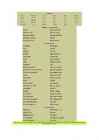
(usted) teil oli tulite nägite (nosotros) tuvimos meil oli vinimos tulime vimos nägime (nosotras) (vosotros) tuvisteis teil oli vinisteis tulite visteis nägite (vosotras) (ellos) nendel oli tulid nägid (ellas) tuvieron vinieron vieron (ustedes) teil oli tulite nägite 66 KUULA & KORDA Üldtulevik Üldtulevik väljendab reeglina kõnemomendil tehtud otsust, lubadust ja ennustust lähituleviku kohta. Reeglipäraseid tegusõnu pööratakse üldtulevikus järgmiselt: hablar comer ir
él, ella, (Vd) anduvo cayó dio dijo trajo vino veía nosotros, anduvimos caímos dimos dijimos trajimos vinimos veíamos -as vosotros, anduvisteis caísteis disteis dijisteis trajisteis vinisteis veíais -as ellos,-as, anduvieron cayeron dieron dijeron trajeron vinieron veían (Vds) saber salir ser tener oír poder poner yo supe salí fui tuve oí pude pon tú supiste saliste fuiste tuviste oíste pudiste pusiste él, ella, (Vd) supo salió fue tuvo oyó pudo puso nosotros,
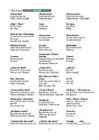
hizo hicieron fue fueron puso pusieron tener - to have traer - to bring venir - to come tuve tuvimos traje trajimos vine vinimos tuviste tuvisteis trajiste trajisteis viniste vinisteis tuvo tuvieron trajo trajeron vino vinieron Ir and ser have the same forms in the preterite tense. Context will make the meaning clear. 22 33. Imperfect Tense The imperfect is another past tense that is used to express an action as going on in the past, as repeated or habitual. It is also used with mental and physical conditions and for descriptions. The preterite tense is used much more often than the imperfect tense though, except with these verbs:
 annaabi.ee