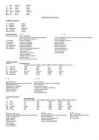
poder (võima,saama) KOLMAS PÕLVKOND Vivir Ebareeglipärased: IR (minema,käima) OIR (kuulama) SALIR (väljuma) VENIR (tulema) DECIR (ütlema) Yo viv-o voy oigo salgo vengo digo Tu viv-es vas oyes sales vienes dices El viv-e va oye sale viene dice Nos viv-imos vamos oimos salimos venimos decimos Vos viv-is vais ois salis venis decis Ellos viv-en van oyen salen vienen dicen
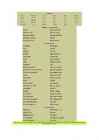
(vosotras) (ellos) tunnevad teenindavad toovad (ellas) sienten sirven traen (ustedes) tunnete teenindate toote tener venir volver (yo) tengo minul on vengo tulen vuelvo tulen tagasi (tú) tienes sinul on vienes tuled vuelves tuled tagasi (él) temal on tuleb tuleb tagasi (ella) tiene viene vuelve (usted) teil on tulete tulete tagasi (nosotros) tenemos meil on venimos tuleme volvemos tuleme tagasi (nosotras) (vosotros) tenéis teil on venís tulete volvéis tulete tagasi (vosotras)
-as ellos,-as, han hacen oyen ponen quieren saben salen (Vds) tener traer venir ver asir jugar oler yo tengo traigo vengo veo asgo juego huelo tú tienes traes vienes ves ases juegas hueles él, ella, (Vd) tiene trae viene ve ase juega huele nosotros, tenemos traemos venimos vemos asimos jugamos olemos -as vosotros, tenéis traéis venís veis asís jugáis oléis -as ellos,-as,
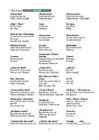
24. To / In and From to a from de in en Remember to use the prepositional contractions when a noun with an article follows the preposition. 25. To Come & to Go venir - to come ir - to go vengo venimos voy vamos vienes venís vas vais viene vienen va van 26. Common Words a lot mucho always siempre very much muchísimo everyday todos los días a little poco now ahora very little muy poco usually usualmente
 annaabi.ee