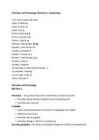
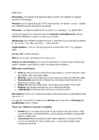
Phonetics and Phonology. Mid-term 1. Terminology. Testi tuleb kindlasti see tabel! Nasal, Bilabial: m Nasal, Alveolar: n Nasal Velar: Plosive, Bilabial: p; b Plosive, Alveolar: t; d Plosive, Velar: k; Affricate, Post-Alveolar: t; d Fricative, Labio-dental: f; v Fricative, Dental: ; Fricative, Alveolar: s; z Fricative, Post-Alveolar: ; Fricative, Velar: x Fricative, Glottal: h Approximant, Alveolar ja Post-Alveolar: Approximant, Palatal: j Approximant, Velar: w Lateral, Alveolar: l Phonetics and Phonology. Mid-term 1. Phonetics the general study of the characteristics of speech sounds: how they may be "strung" together to form meaningful units how they are produced It studies: how to describe the speech sounds in the languages of the world what these sounds are how they fall into patterns how they change in different circumstances Acoustic phonetics the study of the physical properties of the ...
Diphthongs of English: Centring diphthongs Closing diphthongs ɪə - beard, fierce eɪ - paid, pain eə - aired, cairn aɪ - time, nice ᴜə - moored, tour ɔɪ - void, voice əᴜ - houm, load aᴜ - loud, grown, house Triphthongs are sounds consisting of 3 vowels. They form when adding schwa to the 5 closing diphthongs. A stop consonant aka a plosive is a consonant articulation which stops the airflow completely – air can’t escape through the mouth. When the blockage is released a burst of air is released with a sound (plosion). Plosives divide into: Bilabial – the stop is made by two contracting lips Alveolar- the stop is made by the tongue touching the alveolar ridge
 annaabi.ee