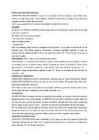
I suggest blurred, coherent or careless pronunciation caused by 5 6 temporary features (young age, ignorance of the discussed topic) or by permanent outs (social, territorial, educational) Permanent graphon used by many writers. E.g. fella, summat (somewhat), tomorra, gimme, dunno, helleva. Gr is wildly used by modern writers in England and by negro and military writers in America. Occasional graphon - individual, belongs to particular author and is hardly used ny any other. E.g. We lov ar ticher, howwid, she gave permissen for the operashun. Suggests something about the speaker!! It is interesting to note that violated spelling still result in the correct pronunciation of the word. We don't produce it in translation. Makes the speech colloquial.
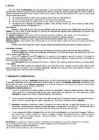
Traditionally foreign words are italicized. 11. Graphon is distorted () spelling. It occurs in prose only (in dialogues). It suggests careless, incoherent pronunciation caused by young age, intoxication, or ignorance of the discussed topic. There appear also social and educational factors. There is permanent graphon used by many writers (e.g. "fellow" "fella"; "tomorrow" "tomorra"; "don't know" "dunno"; "give me" "gimme"). This spelling is very close to how we pronounce words. Rendering them in Russian or Estonian is rather difficult. 11. COMMON LITERARY AND COLLOQUIAL VOCABULARY Common literary words are those that are more lofty than their neutral counterparts (here belong also borrowings) (e.g. yearly annual; begin commence; smell aroma; true authentic). How these words function in fiction: literary words have elevated
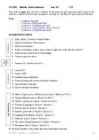
Traditionally foreign words are italicized. 11. Graphon is distorted spelling. It occurs in prose only (in dialogues). It suggests careless, incoherent pronunciation caused by young age, intoxication, or ignorance of the discussed topic (temporary reasons). There appear also social and educational factors. There is permanent Graphon used by many writers (e.g. "fellow" "fella"; "somewhat" "summat"; "tomorrow" "tomorra"; "hell of a" "helluva"; "don't know" "dunno"; "give me" "gimme"; "what do you do" "whado"; "old" "ole"; "where are you" "whereja"; etc.) (e.g. "We lov ar ticher."; "She gave permissen for operashun."). This spelling is very close to how we pronounce words. Rendering them in Russian or Estonian is rather difficult. THE STYLISTIC COLOURING OF WORD STYLISTIC CLASSIFICATION OF ENGLISH VOCABULARY
 annaabi.ee