 10 punkti
Autor soovib selle materjali allalaadimise eest saada 10 punkti.
10 punkti
Autor soovib selle materjali allalaadimise eest saada 10 punkti.
 ~ 16 lehte
Lehekülgede arv dokumendis
~ 16 lehte
Lehekülgede arv dokumendis
 2011-02-07
Kuupäev, millal dokument üles laeti
2011-02-07
Kuupäev, millal dokument üles laeti
 12 laadimist
Kokku alla laetud
12 laadimist
Kokku alla laetud
 0 arvamust
Teiste kasutajate poolt lisatud kommentaarid
0 arvamust
Teiste kasutajate poolt lisatud kommentaarid
 styv solovjov
Õppematerjali autor
styv solovjov
Õppematerjali autor
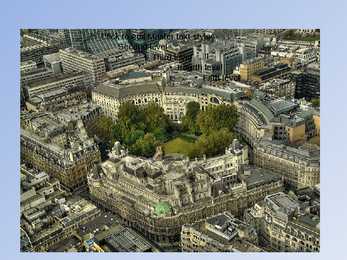
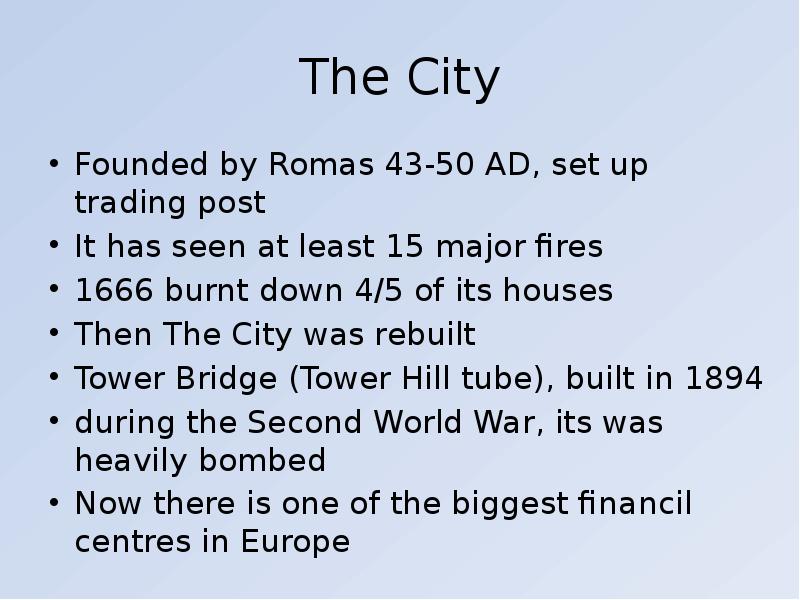
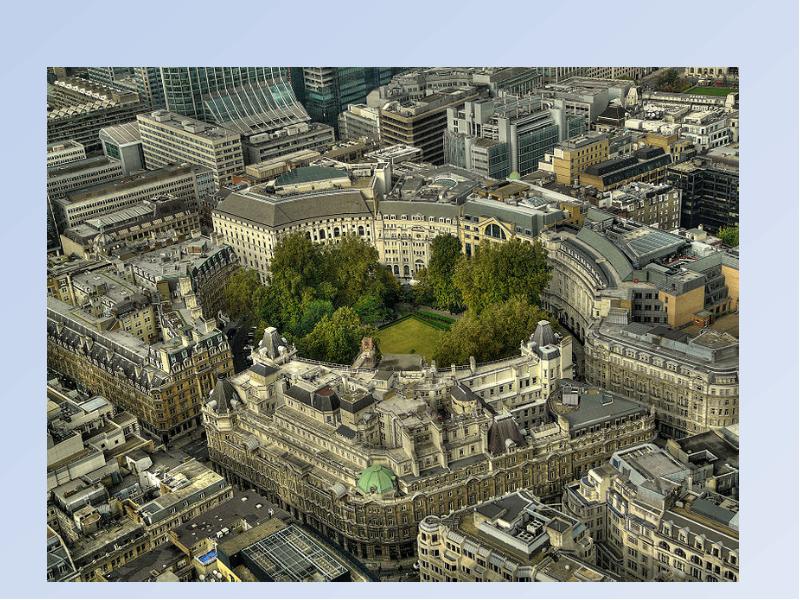
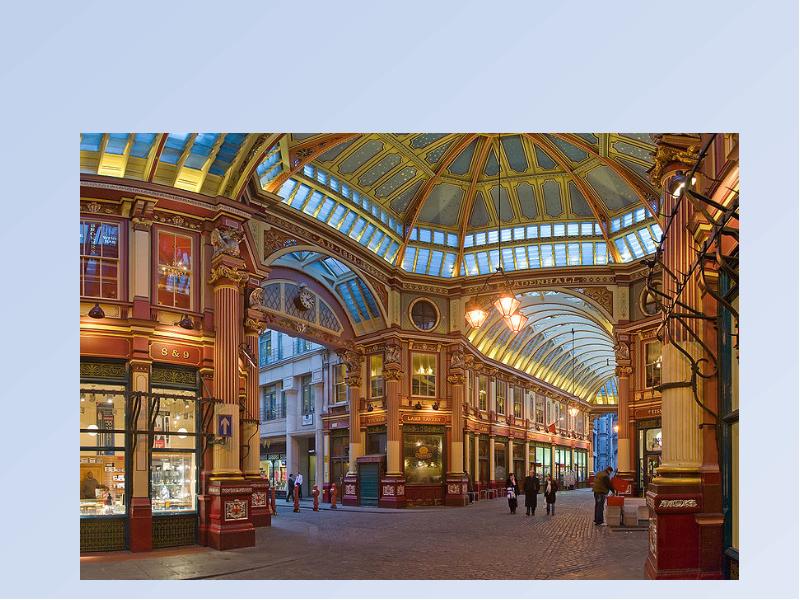
The City of London History The City of London occupies one square mile in the middle of the capital. It once made up the entire town of London, surrounded by the wall first built by the Romans. The Roman Londinium grew up on the northern side of the "London Bridge" in the past. Products such as olive oil, wines and fruit were brought by ships from different parts of the Roman Empire and unloaded onto wooden quays along the river. In AD 61 the native Celtic Iceni tribe, led by Queen Boudicca, rose up against The Romans. They burnt Londinium to the ground but Roman armies eventually defeated Boudicca
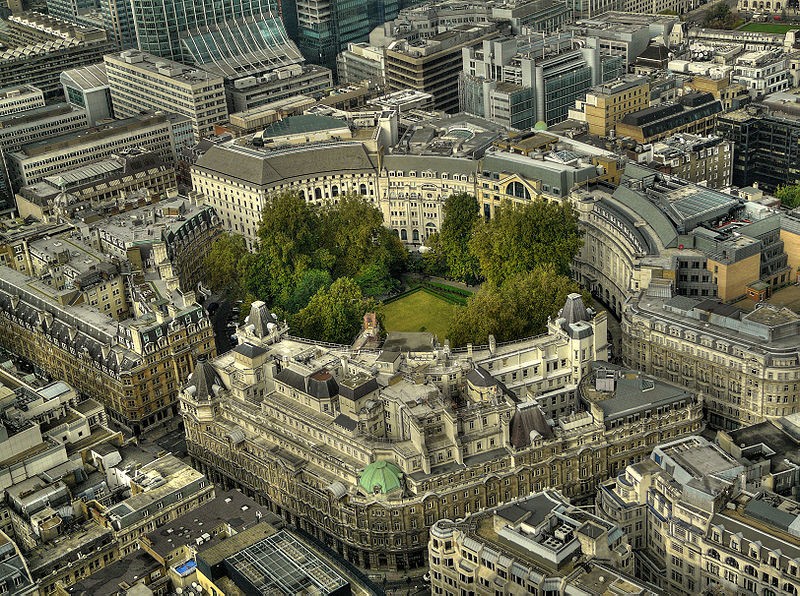
THE CITY OF LONDON History The City of London occupies one square mile in the middle of the capital. It once made up entire town of London, surrounded by the wall first built by Romans. The Romans also built a bridge over the Thames and there has been one in the same area ever since. The Roman Londinium grew up on the northern side of the bridge. In AD 61 the native Celtic tribe, led by Queen Boudicca, rose up against the Romans. They burnt down Londinium to the ground and killed most of its inhabitants. Roman armies eventually defeated Boudicca and Londinium was rebuilt.
How well do you know London? Form 10, February 2012 Welcome back to the tour of London! This is your second day (lesson) that you spend exploring the famous landmarks of the city. Again - follow the map so that you would not get lost and try to get streetwise in London. It is also wise to use Google Maps Street View simultaneously it gives you the wonderful feeling of strolling the streets and landmarks. Take the following questions with you, find answers to them and put them down for yourself in this MSWord document. Don't forget to "take" photos - you are supposed to recognise the landmarks later on! At the end of the tour send the worksheet to yourself so that you could use it again. Good luck with exploring the city! DAY 2
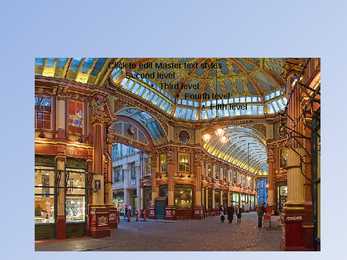
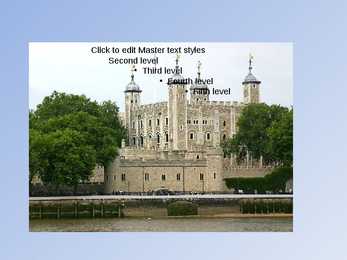
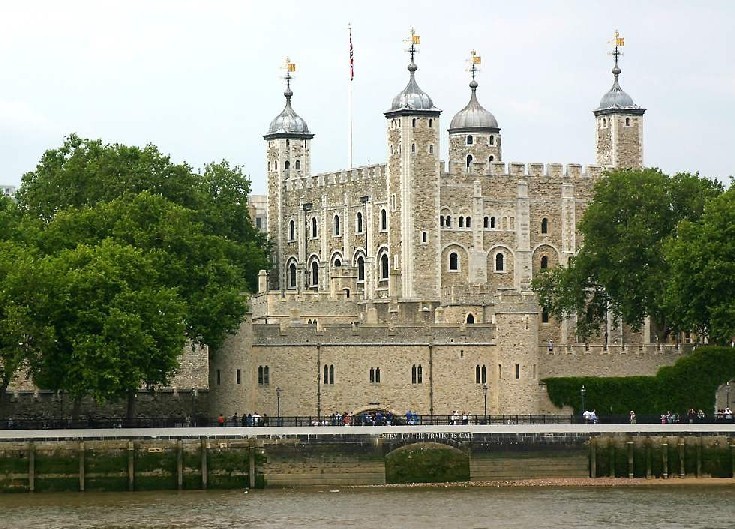
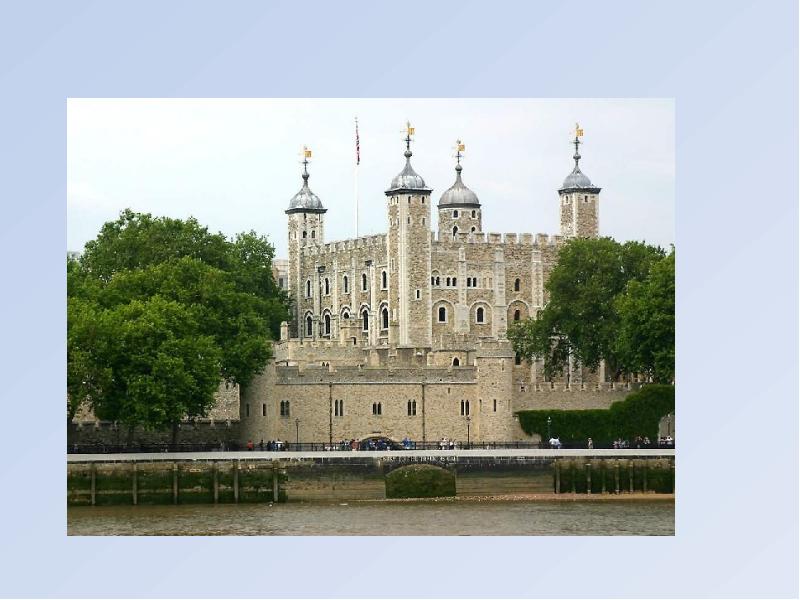
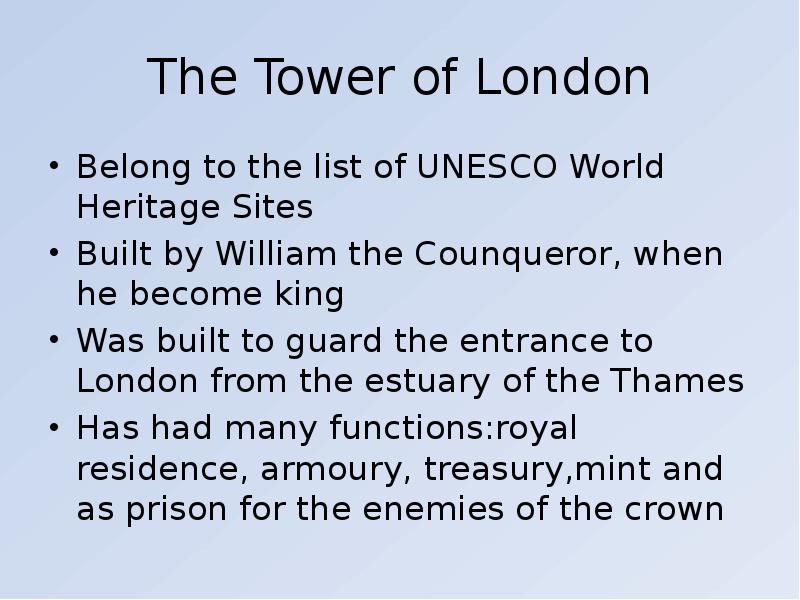
Kristi . 8a. klass LONDON History .... There were some people living on the banks of the Thames when the Romans came to England in 43 AD . The Romans built houses , a port and a bridge over the river and named the place Londinium. In September 1666 , when the Great Fire destroyed four fifts of the wooden buildings . The fire began in the kitchen of the King ´s baker in Pudding Lane and lasted for five days . London . London is an exiting city . The population of London is about seven million people and it is made up of the people of very many nationalities . There are nine piers where you can get a boat and enjoy numerous sights like .... The Tower of London Click to edit Master text styles Second level Third level Fourth level Fifth level
The Romans finally invaded Britain in AD 43 from Kent. The Romans lead by Julius Caesar attempted to invade Britain twice before that in 55 and 54 BC but the invasions were unsuccessful. They made their way to the river Thames and sailed up it. The Romans knew it was important to control a crossing point at the river Thames, so they decided to build a settlement on the north bank. Although small settlements had been built on the banks of the Thames, the Romans were the ones who built the first city. They called their city Londinium. The Roman engineers noticed that the point where the swampy river narrowed would make an ideal crossing point, they built London Bridge. Less than 20 years later the native Iceni tribe, led by Queen Boudicca, rose up against the Romans in revenge for mistreatment and burnt Londinium to the ground. The well disciplined Roman army defeated her forces and Londinium was rebuilt. By AD 100 it had also become the capital of the Roman province. A
LONDON EYE The EDF Energy London Eye, also known as London Eye is a giant 135metre tall Ferris wheel situated on the banks of the River Thames in the British capital. Facts about london eye It is the tallest Ferris wheel in Europe. It is visited by over ~3.5 million people every year. The wheel carries 32 sealed and air conditioned ovoidal passenger capsules Each 10 tonne capsule holds 25 people. History The London Eye was formally opened by the then Prime Minister, Tony Blair, on 31 December 1999. It was opend to the public on 9. March 2000 after it's formal opening because of technical problems. On 5 June 2008 it was announced that 30 million people had ridden the London Eye since its opening. Critical reception Sir Richard Rogers, winner of the 2007 Pritzker Architecture Prize, wrote of the London Eye in a book about the project:
The biggest cities in The UK are: Edinburgh and Glasgow in Scotland; Cardiff, Newport and Swansea in Wales; Belfast and Londonderry in Northern Ireland and London, Oxford, Birmingham and York in England. Edinburgh is the capital of Scotland and is well known for its monuments and for the International Festival which is held every August. Glasgow is the industrial capital of Scotland, it lies on the River Clyde and is the third largest city in Great Britain. Cardiff is the capital of Wales, and Newport and Swansea are the biggest cities in Wales. Belfast is the capital of Northern Ireland, it is also the most important port and industrial and commertial centre. Oxford is the home of the oldest university in England. Most of the oldest colleges are situated just a short walk from each other in the centre of the town. Birmingham is one of the largest industrial cites in England. York was the capital of
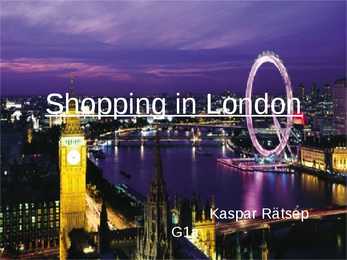
London is without doubt the centre for shopping in the United Kingdom and the numerous districts provide a shopper's paradise. Whether you are looking for London fashion, antiques, furniture or home accessories, rest assured that London will provide you with a huge choice. London has a lot to offer the shopper from large department stores to exclusive boutiques. There are many areas to go on shopping trips, such as Oxford Street, Covent Garden, and Knightsbridge. And, of course, London has many street markets to browse around. Oxford street two miles of wall to wall shops. the UK's busiest and most famous shopping area. There are over 300 shops to choose from. Apart perhaps from Selfridges the street consists of tourist orientated small shops interspersed with the UK flagship stores of all the main chain stores in Britain. Debenhams plc is a British retailer operating under a department store format in the UK, Ireland and Denmark
 annaabi.ee







Kõik kommentaarid