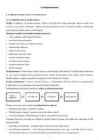
x Kas käitumine on sisemine või välimine? McGuire'i kognitiivsed motiivid: x Cognitive Preservation Motives o Need for Consistency (active, internal) o Need for Attribution (active, external) o Need to Categorize (passive, internal) o Need for Objectification(passive, external) 6 x Cognitive Growth Motives o Need for Autonomy (active, internal) o Need for Stimulation (active, external) o Teleological Need (passive, internal) o Utilitarian Need (passive, external) McGuire'i afektiivsed motiivid: x Affective Preservation Motives: o Need for Tension Reduction (active, internal) o Need for Expression (active, external) o Need for Ego Defense (passive, internal) o Need for Reinforcement (passive, external) x Affective Growth Motives: o Need for Assertion (active, internal) o Need for Affiliation (active, external)
"heritage" of soviet law. Can we evaluate the effect of the length of punishment on general and special prevention, and how can we do that? In order to find answers to those questions the classic interpretation methods of legal provisions, mainly grammatical and historical interpretation, have been used. Alongside principal interpretation methods comparisons with other European countries' criminal laws have been made and also a teleological approach used. Upon analysing the issues according to the abovementioned methods certain conclusions have been drawn: a) An act of an official, which he/she commits in the interests of a person giving a bribe due to his/her official position, can only be an unlawful act. Such an act fulfils the elements of another crime and upon solving the case the aggregate of those matters must be taken into account. Considering the requirement of the concreteness of an act prior agreement by and
 annaabi.ee