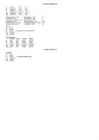
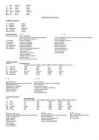
FUTURO IMPERFECTO -ar -er -ir yo comprar-é ser-é ir-é tú comprar-ás ser-ás ir-ás él comprar-á ser-á ir-á nos comprar-emos ser-emos ir-emos vos comprar-éis ser-éis ir-éis ellos comprar-án ser-án ir-án caber(mahutama)-> cabr- querer(tahtma)-> querr- -é decir(ütlema)-> dir- saber(teadma)-> sabr- -ás haber(omama,valdama)-> habr- tener(omama)-> tendr- -á hacer(tegema)-> har- valer(väärt olema)-> valdr- -emos poder(saama,võima)-> podr- venir(tulema,saabuma)-> vendr- -éis poner(panema)-> pondr- salir(väljuma)-> saldr- -án ESTAR+ yo estaré tú estarás él estará + leyendo/descansando/escribiendo nos estaremos vos estaréis
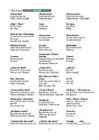
El aprend-e hace pone sabe trae Nos aprend-emos hacemos ponemos sabemos traemos Vos aprend-eis haceis poneis sabeis traeis Ellos aprend-en hacen ponen saben traen e > ie o > ue querer (tahtma) volver (naasma) [quiero,quieres,quiere,queremos,quereis,quieren] [vuelvo,vuelves,vuelve,volvemos,volveid,vuelven] defender (kaitsma) doler (valutama) encender (sisse lülitama) devolver (tagastama) entender (aru saama) envolver (sisse mähkima,pakkima) perder (kaotama) morder (hammustama)
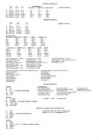
estuvieron tuvieron vinieron hicieron supieron andar (kõndima,käima) -> anduve conducir (juhtima) -> conduje convenir (kokku tulema) -> convine caber (mahutama) -> cupe decir (ütlema) -> dije hacer (tegema) -> hice (hiciste,hiZo,hicimos..) estar (olema) -> estuve deducir (järeldama) -> deduje querer (tahtma) -> quise poder (saama,võima) -> puDe distraer (häirima,kõrvale viima) ->distraje venir (tulema) -> vine poner (panema) -> puSe producir (tootma) -> produje saber (teadma,oskama) -> supe reducir (vähendama) -> reduje tener (tegema) -> tuve traducir (tõlkima) -> traduje haber (omama,valdama) -> hube traer (tooma,viima) ->traje
-as vosotros, sois vais estás andáis caéis dais decís -as ellos,-as, son van están andan caen dan dicen (Vds) haber hacer oír poner querer saber salir yo he hago oigo pongo quiero sé salgo tú has haces oyes pones quieres sabes sales él, ella, (Vd) ha hace oye pone quiere sabe sale nosotros,
plural. After dropping the endings (-ar, -er, or -ir), the e of the last syllable changes to ie, and o of the last syllable changes to ue. Some -ir verbs change the e to i, while verbs ending in -uir change the i to y for all forms except first and second plural. e to ie o to ue e to i ui to uy pensar - to think contar - to count pedir - to ask (for) construir - to build querer - to want, like, love poder - to be able repetir - to repeat cerrar - to close costar - to cost seguir - to follow comenzar - to begin dormir - to sleep servir - to serve despertar - to awaken encontrar - to find, meet vestir - to dress empezar - to begin jugar - to play entender - to understand morir - to die perder - to lose mostrar - to show preferir - to prefer volar - to fly
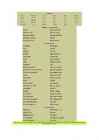
(nosotros) perdemos kaotame podemos saame ponemos paneme (nosotras) (vosotros) perdéis kaotate podéis saate ponéis panete (vosotras) (ellos) kaotavad saavad panevad (ellas) pierden pueden ponen (ustedes) kaotate saate panete 60 KUULA & KORDA querer recordar reír (yo) quiero tahan recuerdo mäletan río naeran (tú) quieres tahad recuerdas mäletad ríes naerad (él) tahab mäletab naerab (ella) quiere recuerda ríe (usted) tahate mäletate naerate
. a matar. Y a matarnos. --¿Te queda algún amigo? --Sí, aún quedan algunos con vida. 71 --¿Hay alguien con quien tengas una amistad especial? ¿Entre los tripulantes de tu avión? Tu artillero y tu navegante, ¿viven aún? --No los veo, pero mi avión no lo han destruido. --¿Vuelves a pilotar el avión? --Sí. Tenemos que darnos prisa para despegar con lo que queda del avión... antes de que regresen. --Sube a tu avión. --No quiero ir. --Parecía querer negociar conmigo. --Pero tienes que despegar. --Es tan inútil... --¿Qué tipo de profesión tenías antes de la guerra? ¿Lo recuerdas? ¿Qué hacía Eric? --Era segundo piloto... de un pequeño avión, un avión de carga. --¿También eras piloto entonces? --Sí. --¿Y pasabas mucho tiempo fuera de casa? Respondió con mucha suavidad, con melancolía: --Sí. --Adelántate en el tiempo --le indiqué--, hasta el próximo vuelo. ¿Puedes hacerlo? --No hay próximo vuelo. --¿Te ocurre algo?
six months; consequently it changed all highly confidential codes every four months. In 1939, the Foreign Office moved what it euphemistically called its Department of Communications to Bletchley Park, an estate and mansion in Bletchley, a town in Buckinghamshire about 50 miles northwest of London. It is far and away the most history-redolent black chamber of all. The British, of course, trace the land from a Roman encampment, through its award by William the Con-querer to Bishop Geoffrey of Constance for services rendered at the Battle of Hastings, down on through the ownership of various lords (most notably the two George Villierses, first and second dukes of Buckingham) and rich men of decreasing interest. A mansion was first built on the land in the 1870s and added to repeatedly; the Foreign Office, finding this too small, added many buildings, including a cafeteria and a large hall. Eventually 7,000
 annaabi.ee