The First Years of the School: Reval Gymnasium In the beginning the school was upheld by the city of Tallinn and it’s knighthood. The school was meant for the sons of the noblemen and citizens. There were 4 professors and 2 colleagues. Students studied reading, writing, maths, theology, music, Latin, Greek, Hebrew, law, poetry, speech, geography, history and philosophy. Older students studied in Latin. Music was very important. There were four classes: quarta, tertia, secunda and prima, prima being the last and quarta the lowest grade. The head of school was a rector. For the first 15 years the rector was Heinrich Vulpius whose Gymnasium Laws (show the picture) were used for more than a century. The set of laws influenced the life of the students a lot. They designated how the students were supposed to act in the school and in their free time. (show the pic) For example the laws said that the students were supposed to
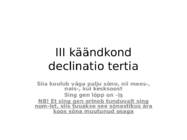
III PÖÖRDKOND coniugatio tertia · Tunnuseks on lühike sidevokaal e, mis liitub konsonandile või u-le Lego, legi, lectum, ere lugema Mina loen lego meie loeme - legimus Sina loed legis teie loete - legitis Tema loeb legit nemad loevad - legunt Exercitationes KÄÄNA! Lex, legis f seadus Canis, is m koer Nomen, is n nimi PÖÖRA! Scribo, ere 3 kirjutama Vivo, ere 3 - elama IV käändkond declinatio quarta · Us- lõpulised m sõnad ja u- lõpulised n sõnad; gen. Sing. Lõpp on us, tüve lõppvokaal - u Iussus, us m käsk, korraldus, otsus sing. Plur Nom, voc iussus iussus Gen iussus iussu Dat. iussui iussibus Acc iussum iussus Abl iussu iussibus !!
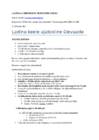
Pöördkonnad: I (coniugatio prima) Accuso (I), (accusavi) avi (II), (accusatum) actum (III), (accusare) are (IV) süüdistama II (coniugatio secunda) Habeo (I), (habui) bui (II), (habitum) bitum (III), (habere) ere (IV) omama III (coniugatio tertia) O-lõpulised sõnad: vinco (I), vici (II), victum (III), (vincere) ere (IV) võitma Io-lõpulised sõnad: facio (I), feci (II), factum (III), (facere) ere (IV) IV (coniugatio quarta) Punio (I), (punivi) ivi (II), (punitum) itum (III), (punire) ire (IV) karistma Sum (I), fui (II), - (III), esse (IV) Nt respondeop (I), respondi (II), responaem (III), respondere (IV) Interficio (I), feci (II), fectum (III), ere (IV) (interficere) hukkama Inf. lõpud: I are II e:re III ere IV ire Praesens ind. act.- oleviku isikuline Sg (ainsus): Pl (mitmus): 1. o (mina) 1. mus (meie) 2. s (sina) 2
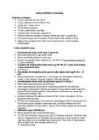
Videre · Habeo, bui, bitum, ére omama Habui, habitum, habere · Respondeo, spondi, sponsum, ére vastama respondi, responsum, respondere · Possideo, sedi, sessum, ére valdama posedi, posessum, possidere Conjugation III (tertia) o lõpulised, io lõpulised vinco, vici, victum, ere võitma (vincere) facio, fici, factum, ere tegema (facere) ago, egi, actum, ere hagema, nõudma (agere) fugio, fugi, - , ere põgenema (fugere) Conjugation IV (quarta) Servio, ivi, itum, ire teenima, orjama Servivi, servitum, servire Verbi pööramine Praesens ind. act. Sg 1. -o 2. -s 3. -t Pl 1. mus 2. tis 3. nt Accuso, avi, atum, are Sg 1. Accuso 2. Accusas 3. Accusat Pl a.i.1. Accusamus a.i.2. Accusatis a.i.3. Accusant Defendo, fendi, fensum, ere kaitsma Sg a.i.1. Defendo a.i.2. Defendis a.i.3. Defendit Pl a.i.3.a.i.1. Defendimus a.i.3.a.i.2. Defenditis a.i.3.a.i.3. Defendunt
 annaabi.ee